Top Landscaping Services in Rocky Point, NC, 28425 | Compare & Call


SM Painting & Landscaping is a family-owned and operated general contractor serving Rocky Point and the greater Wilmington area for over two decades. We specialize in turning your property into a spac...

Goddesses Of Sparkle is a Rocky Point-based cleaning and landscaping service dedicated to keeping homes, offices, and commercial spaces in our community spotless and well-maintained. We offer a compre...
Hunt's Landscaping is your trusted local partner for creating and maintaining healthy, beautiful outdoor spaces in Rocky Point, NC. We understand the common challenges homeowners face, such as patchy ...
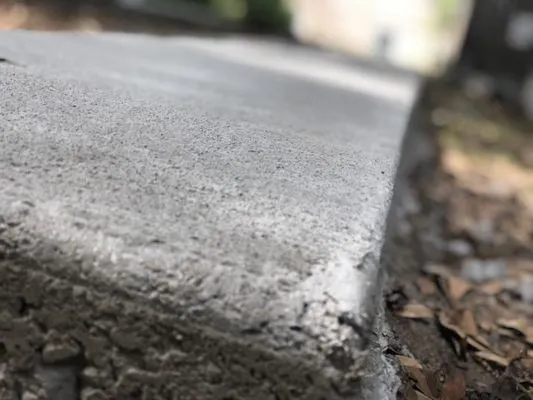
Wilmington's Hardscape & Design
Wilmington's Hardscape & Design is a Rocky Point-based company dedicated to turning your outdoor vision into a lasting reality. We understand that your home is a significant investment, and our team i...
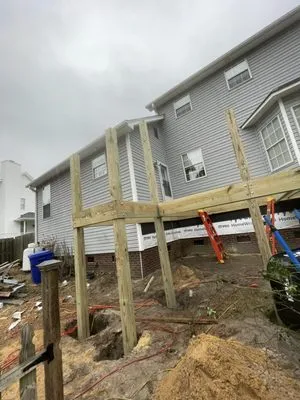
GB Property Solutions is your local Rocky Point partner for transforming and maintaining properties. We specialize in a comprehensive range of services, from junk removal and responsible disposal of h...
Improv-All Living is your trusted local partner in Rocky Point, NC, for junk removal, hauling, and essential lawn services. We understand that many area homes face specific landscaping challenges, suc...
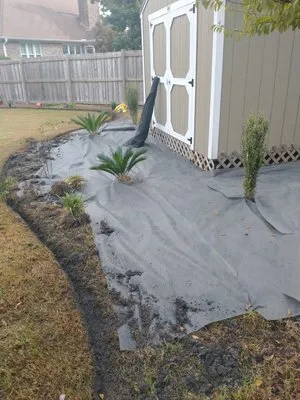
A R LANDSCAPING is a full-service landscaping company serving Rocky Point, NC, and the surrounding areas. We specialize in creating and maintaining beautiful, healthy outdoor spaces tailored to our re...
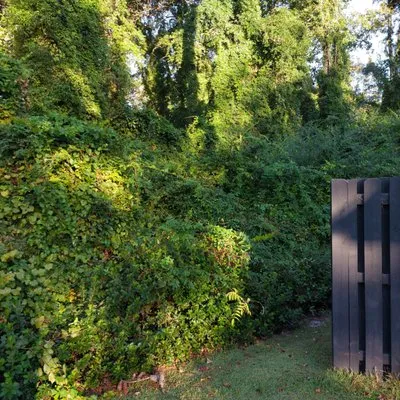
Harts Bush Hogging is a trusted lawn care provider serving homeowners and businesses in Rocky Point, NC. We understand the unique challenges of our local landscape, including persistent yard drainage ...
Vasquez Landscaping is a professional landscaping company serving Rocky Point, NC, and surrounding communities like Castle Hayne, Harnett Township, Murraysville, Kings Grant, and Cape Fear Township. W...
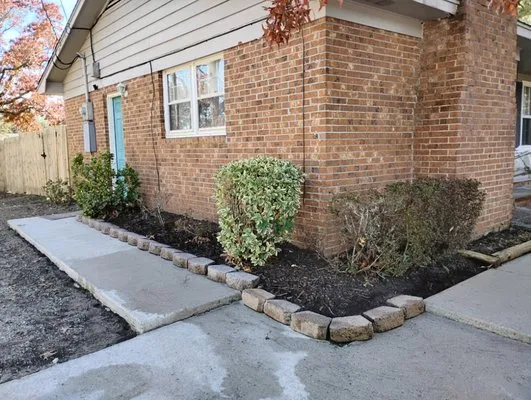
Ransom Handyman & Lawn Care is a trusted, locally-owned business serving Rocky Point, NC, with decades of hands-on experience. Owner Ransom brings over 30 years in lawn care and a lifetime of handyman...
Common Questions
Our yard stays soggy for days after rain. What's a long-term fix for this standing water?
The high water table and poor infiltration in Ultisol soils require engineered drainage solutions. A French drain system, daylighted to a lower elevation, intercepts subsurface water. Surface correction involves regrading to create positive slope away from foundations. For new hardscapes, specify permeable concrete or crushed granite patios to increase ground absorption. These methods collectively manage runoff to meet Pender County Planning and Community Development standards for on-site water retention.
Is a wooden deck or a stone patio better for our backyard, considering long-term upkeep?
In Rocky Point's humid climate and Moderate Fire Wise rating zone, crushed granite or permeable concrete patios offer superior longevity and defensible space. Unlike wood, these inorganic materials do not rot, warp, or require chemical treatments. Their non-combustible nature is a critical asset in the Wildland-Urban Interface. Permeable systems also directly address the site's drainage hazards by allowing water infiltration, whereas solid surfaces can exacerbate runoff issues.
How do we keep our Centipede or Tall Fescue lawn green during Stage 1 water restrictions?
Smart Wi-Fi soil moisture sensor arrays are the primary tool for compliance. These systems bypass scheduled watering, activating only when root-zone moisture drops below a preset threshold. This ET-based irrigation delivers water precisely when needed, reducing municipal water use by 30-50% compared to traditional timers. For Centipede grass, this prevents overwatering that encourages disease, while Tall Fescue receives deep, infrequent soakings that promote drought tolerance.
We're planning a significant regrading and patio project. What permits and contractor checks are needed?
Any grading or earth-moving on a 0.75-acre lot in Pender County typically requires a land disturbance permit from the Pender County Planning and Community Development office. The contractor must hold a valid license from the North Carolina Landscape Contractors' Licensing Board, which ensures adherence to state-mandated Best Management Practices for the coastal plain. This licensing is legally required for projects exceeding $30,000 in value and is non-negotiable for work affecting drainage, structural integrity, and long-term property value.
We see invasive vines taking over a hedge. How should we handle removal and replanting?
Common invasive species like Japanese honeysuckle or kudzu require a targeted, multi-stage approach. Manual removal of root crowns is followed by a precise, foliar-applied systemic herbicide during the plant's active growth phase. Timing must avoid the state's Nutrient Management blackout dates to protect local waterways. After eradication, replant the area with a dense grouping of native Inkberry Holly to outcompete future weeds and restore ecological function without violating local ordinances.
We have a sudden tree limb down from a storm and need an emergency cleanup. What's your response time?
For emergency storm response in Scotts Hill, dispatch routes from the Rocky Point Elementary School area directly onto US-117. During peak traffic conditions, this allows for a 25 to 35 minute arrival window. Our crews are equipped for immediate hazard mitigation, including safe limb removal and debris staging. This protocol prioritizes clearing driveways and protecting structures to meet urgent safety and HOA compliance needs.
Our Scotts Hill yard seems to drain poorly and grass struggles. Is this just our lot?
Properties in this neighborhood, typically developed around 1977, have soil profiles approaching 50 years of maturity. The underlying Ultisol sandy loam becomes heavily compacted over decades, reducing permeability. This compaction, combined with a naturally low pH of 5.5-6.2, limits root depth and nutrient availability for turf. Corrective strategies start with core aeration in early spring, followed by top-dressing with compost to rebuild organic matter and improve soil structure.
We want to reduce weekly mowing and gas equipment noise. What are our options?
Transitioning high-maintenance turf to a layered planting of native species like Inkberry Holly, American Beautyberry, and Swamp Milkweed significantly reduces fossil-fuel maintenance. This xeriscape approach eliminates weekly mowing, aligning with evolving noise ordinances targeting gas-powered blowers. The deep root systems of Joe-Pye Weed and milkweed improve soil structure and provide critical habitat, advancing 2026 biodiversity goals while creating a resilient, low-input landscape.
