Top Landscaping Services in Ranlo, NC, 28054 | Compare & Call
There are 181 landscaping companies server in Ranlo NC
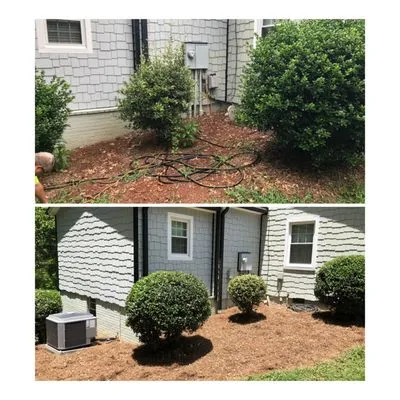
BMW's Landscaping and Lawn Maintenance is a family-owned Charlotte business with over three decades of experience helping local homeowners cultivate beautiful, healthy outdoor spaces. We specialize in...
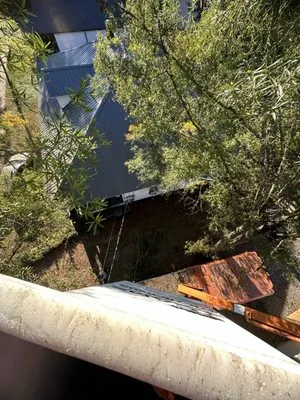
Evergreen Precision is a Bessemer City tree and landscaping service founded on a genuine passion for working outdoors. What began as a helper on small jobs grew into a dedicated local business built o...
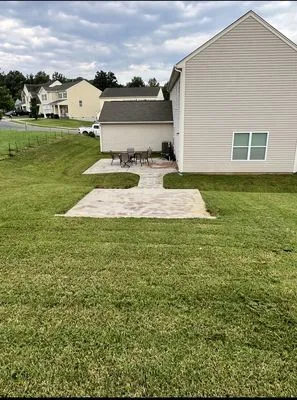
Hoovers Landscaping is a full-service landscaping company serving Charlotte, NC, specializing in both construction and maintenance to enhance outdoor spaces. We address common local issues like sprink...

General Lawn Care in Charlotte, NC, is a locally owned and operated landscaping business founded in 2001 by Andrew 'Drew' Spain. Specializing in comprehensive lawn care, tree services, and irrigation,...
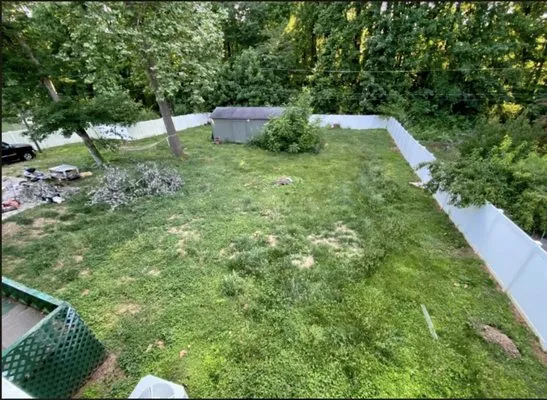
We are Budget-Friendly Lawn Service, serving Gastonia with straightforward, affordable lawn care. We believe in giving you control, so we offer Customized Service Packages. Instead of a one-size-fits-...
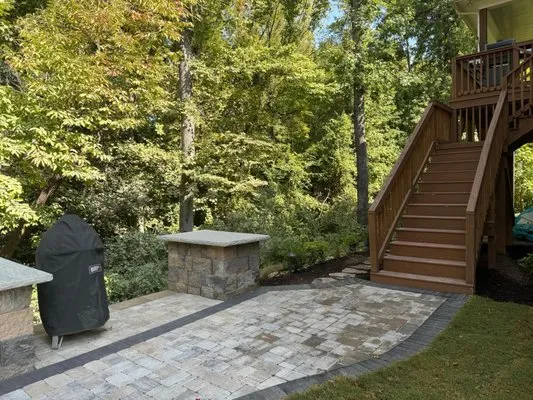
Mr. Outdoor Living is a licensed general contractor and local family business in Charlotte, NC, with over 25 years of experience specializing in outdoor living spaces. Led by founder Bill Goldstein, t...
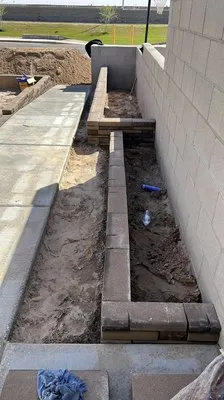
Queen City Project Group is Charlotte's largest project group company, dedicated to transforming homes and landscapes with a comprehensive, integrated approach. We specialize in connecting the dots be...

Gregory Lawn Care Service is a locally owned and operated provider dedicated to enhancing outdoor spaces in the Charlotte and Belmont, NC areas. We focus on reliable lawn care and landscaping, underst...
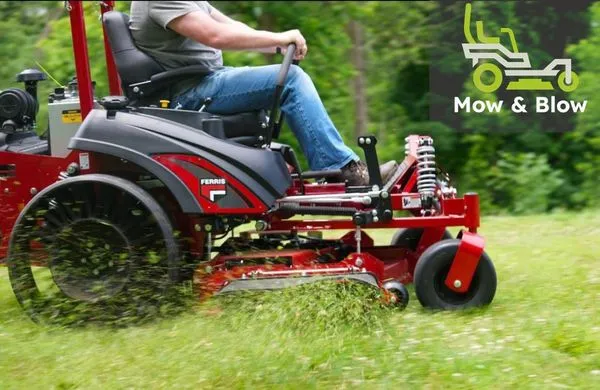
Mow & Blow in Concord, NC, is your local partner for a healthy, beautiful, and functional outdoor space. We understand that yardwork and landscaping can be overwhelming, which is why our experienced t...
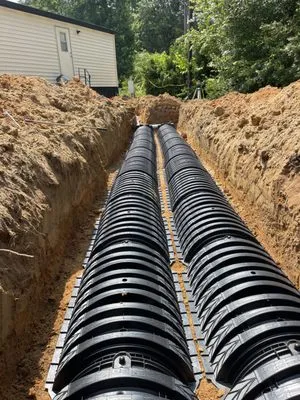
Turner Site Services Inc is a family- and first-responder-owned business based in Unionville, NC, founded on principles of safety, precision, and dependable results. Since 2023, we have been dedicated...
Estimated Landscaping Service Costs in Ranlo, NC
Questions and Answers
A storm brought down a large limb. How quickly can you respond for emergency cleanup?
Emergency storm response dispatch is prioritized. A crew can typically be routed from the Ranlo Town Hall area via I-85 to reach most Ranlo Central properties within the 20-30 minute peak response window. Our electric-powered maintenance fleet operates quietly within standard noise ordinance hours, allowing for immediate debris management and site safety restoration upon arrival.
Do we need a permit to regrade our 0.35-acre lot, and who is qualified to do it?
Yes, significant regrading that alters water flow or involves retaining walls over a certain height requires a permit from Gaston County Building Inspections & Planning. This work must be performed by or under the supervision of a licensed professional. In North Carolina, landscape contractors performing grading for erosion control must hold the proper classification from the NC Landscape Contractors Licensing Board, ensuring they understand state sediment and runoff laws.
Are concrete pavers a better choice than wood for a new patio?
For longevity and low maintenance in Zone 8a, inorganic materials like concrete pavers or crushed granite are superior. They do not rot, warp, or attract termites. From a fire safety perspective, these non-combustible materials contribute to the defensible space recommended even in Ranlo's Low Urban/Suburban interface rating, creating a permanent, stable hardscape that integrates well with the local soil and climate conditions.
Our lawn in Ranlo Central never seems to thrive. Is it the soil?
Homes built around 1992, like many here, established turf on native acidic Cecil Sandy Clay Loam. Over 34 years, this soil has become compacted and nutrient-depleted, a common legacy of standard construction practices. The high clay content restricts root growth and water percolation. A soil test confirming the typical pH of 5.5-6.0 is the first step, followed by core aeration and amendments of compost to improve soil structure and biology.
Our yard holds water after heavy rain. What's a lasting solution?
Moderate runoff is expected with Cecil clay's low permeability. Solutions begin with regrading to direct water away from foundations and toward a rain garden or dry creek bed planted with natives. For hardscapes, specifying permeable concrete pavers or an open-graded crushed granite base increases infiltration, often a requirement for Gaston County permits. These systems manage saturation on-site, reducing discharge into municipal storm drains.
We want to reduce mowing and gas equipment noise. What are our options?
Transitioning high-maintenance turf areas to a xeriscape of native plants like Purple Coneflower, Switchgrass, and Beautyberry significantly reduces the need for weekly mowing and gas-powered blowers. This biodiversity-focused planting is climate-adaptive, requires less water, and provides habitat. It proactively aligns with evolving municipal noise ordinances focused on electric equipment and creates a more ecologically sound landscape.
We see invasive vines taking over a fence line. How should we handle them?
Common invasive species like English Ivy or Japanese Honeysuckle must be managed aggressively. Manual removal of root crowns is most effective, followed by careful, targeted application of herbicide to cut stems, avoiding overspray. Any chemical application must follow the label and the state's nutrient management law (G.S. 143-215.1), which may include blackout dates to protect water quality. Consistent monitoring for regrowth is crucial.
How do we keep our Tall Fescue green during voluntary water restrictions?
Smart, Wi-Fi ET-based irrigation controllers are essential. They adjust watering schedules in real-time using local weather data and evapotranspiration rates, applying water only when the turf needs it. This technology prevents overwatering, a common issue with clay soils, and ensures compliance with Stage 1 conservation measures. Deep, infrequent watering cycles encourage deeper root growth, making the fescue more drought-resilient.
