Top Landscaping Services in Randleman, NC, 27317 | Compare & Call
There are 217 landscaping companies server in Randleman NC
Lewis Derick Lawn & Landscaping Services is a trusted local provider in Sophia, NC, dedicated to solving common landscaping challenges faced by homeowners. We specialize in addressing issues like spri...
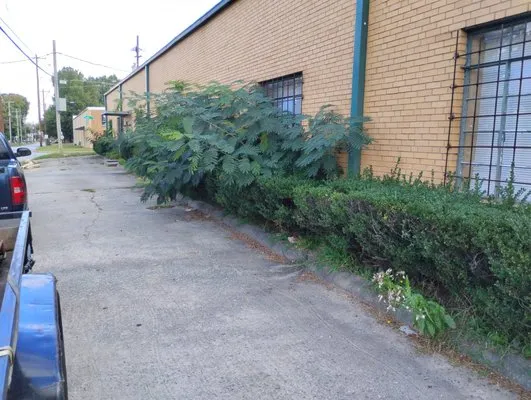
Lions Lawn Services in Sophia, NC is a family-owned and operated provider dedicated to maintaining both commercial and residential properties throughout our community. We offer comprehensive lawn care...
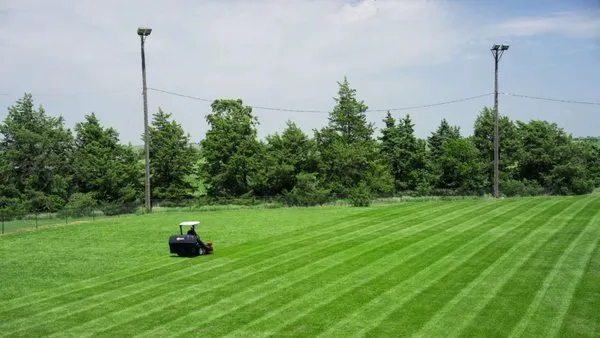
C&N Landscaping in Asheboro, NC, is a full-service landscaping company dedicated to creating and maintaining beautiful, healthy outdoor spaces for Randolph County homes. We specialize in both new land...
Master Tree Service in Randleman, NC, is your trusted local partner for comprehensive outdoor solutions, specializing in tree services, lawn care, and roofing. We understand the unique challenges Rand...
Father & Son Lawn Maintenance is a family-owned lawn care service based in High Point, NC, dedicated to helping local homeowners achieve and maintain healthy, beautiful lawns. We specialize in address...
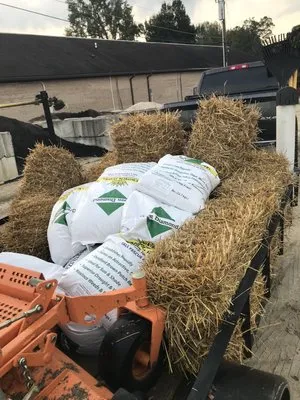
Ford's Lawn Service is a locally owned and operated landscaping company serving High Point, NC, and the surrounding areas. We specialize in comprehensive lawn care, including a six-step turf treatment...
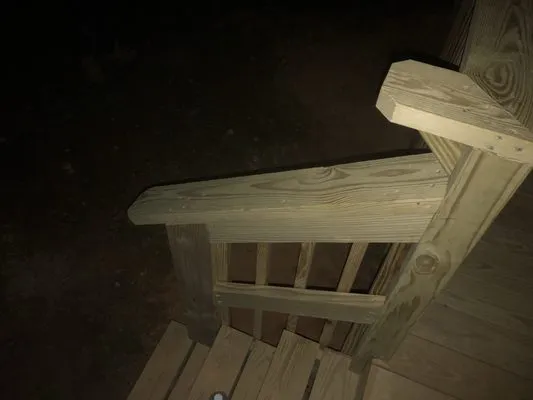
Trogdon Lawn Care is your trusted local expert in Ramseur, NC, specializing in comprehensive lawn services, masonry/concrete work, and deck/railing solutions. We understand the common landscaping chal...
Estimated Landscaping Service Costs in Randleman, NC
Question Answers
Why do some landscaping projects require a permit and a specially licensed contractor?
The Randleman Planning and Zoning Department requires permits for any project altering drainage patterns or adding significant impervious surface, common on 0.35-acre lots. Furthermore, the North Carolina Landscape Contractors' Licensing Board mandates state licensing for any grading, installation, or construction work exceeding $30,000 in value. This ensures compliance with statewide sediment control, fertilizer, and building codes, protecting you from liability and substandard work that could damage property or the local watershed.
My yard has persistent puddling. What's a lasting solution that also looks good?
Moderate runoff in Randleman is directly linked to the impermeable clay subsoil found in Cecil Sandy Loam. Surface solutions like regrading must be paired with subsurface strategies, such as infiltration trenches filled with clean gravel. For hardscapes, specify permeable concrete pavers or a stabilized crushed granite path; both meet Randleman Planning and Zoning Department standards for stormwater management by allowing water to percolate. This addresses the hydraulic deficiency at its source.
How quickly can a crew respond for an emergency cleanup after a storm?
For urgent HOA compliance or storm debris removal, a crew can typically mobilize within 20 to 30 minutes during peak response times. Our dispatch from the Randleman Public Library area uses US-220/I-73 for efficient access throughout the city. We coordinate arrival windows to comply with standard noise ordinances, which mandate quiet hours from 10 PM to 7 AM. All equipment in our transitioned fleet is electric, allowing for early morning or late evening work without disturbance.
Are concrete pavers a better long-term choice than wood for a new patio?
For longevity and reduced maintenance, concrete pavers exceed wood in our climate. They have superior permeability when installed with open joints, directly addressing moderate Fire Wise rating requirements for defensible space by using non-combustible materials. Unlike wood, they resist rot, insect damage, and require no sealing. Their modular design also allows for future reconfiguration or repairs without full demolition, making them a durable asset for a 0.35-acre property.
What should I do if I see invasive weeds like Japanese Stiltgrass or Chinese Privet?
Japanese Stiltgrass and Chinese Privet are acute invasive species alerts in Zone 8a. Manual removal before seed set is most effective for small infestations. For larger areas, a targeted, non-broadcast herbicide application by a licensed professional is necessary, timed outside of the statewide phosphorus restriction blackout dates for turf fertilizers. Always dispose of plant material in bags to the landfill, not in compost, to prevent further soil seed bank contamination.
Why does my soil seem so dense and compacted compared to new construction?
Properties in the Deep River neighborhood, with a typical 1977 build date, have nearly 50 years of soil development. The underlying Cecil Sandy Loam forms a dense, nutrient-poor Ultisol with high clay content in the subsoil. Over decades, this layer has become compacted from foot traffic and equipment, severely limiting root penetration and soil percolation. Annual core aeration and amendments of composted pine bark are required to rebuild structure and correct the naturally acidic pH between 5.5 and 6.2.
I'm tired of weekly mowing. What are lower-maintenance, eco-friendly alternatives?
Reducing mowing frequency aligns with evolving 2026 standards for noise and emissions. A climate-adaptive xeriscape design replaces high-input turf with layered natives like Little Bluestem grass, Purple Coneflower, and River Oats. These plants establish deep roots, require no synthetic phosphorus fertilizer, and support local pollinators. The transition creates a more resilient landscape that stays ahead of municipal gas-blower restrictions and enhances biodiversity with species like Swamp Milkweed and Eastern Redbud.
How can I keep my Tall Fescue lawn healthy during summer without wasting water?
Maintaining Kentucky-31 or Turf-Type Tall Fescue under normal, voluntary conservation rules requires precision. Smart Wi-Fi controllers paired with in-ground soil moisture sensors create an ET-based irrigation schedule, applying water only when the root zone deficit is critical. This technology prevents overwatering the high-clay subsoil, which leads to runoff and fungal issues. Properly calibrated, these systems can reduce potable water use by 30-40% while preserving turf vigor through peak heat.
