Top Landscaping Services in Pleasant Garden, NC, 27313 | Compare & Call


Jackson's Lawncare & Design
Jackson's Lawncare & Design serves Pleasant Garden, NC, helping homeowners achieve a healthy, beautiful yard without the stress. We understand that yard work can pile up and become overwhelming. That'...

For over five decades, Ward Bros. has been a trusted name for septic and land management in the Pleasant Garden community. Founded in 1973 and now operated by brothers Nicholas and Nathan Ward, this f...

Josh's Landscaping is your trusted local partner for enhancing outdoor spaces in Pleasant Garden, NC. We specialize in a comprehensive range of services from landscape design and hardscaping to detail...
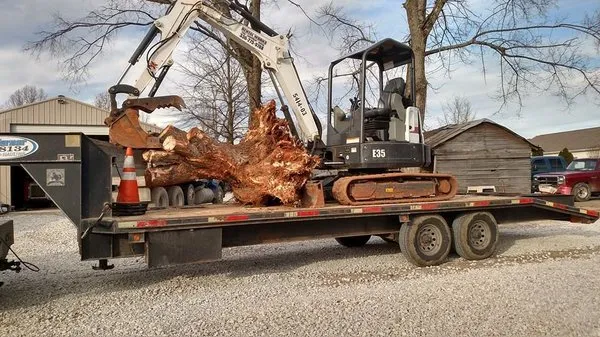
Turner Lawn Care & Landscaping is a homegrown business with deep roots in the Triad area. Founded by Will, who started with just a mower and a truck in high school, the company has grown through reinv...
S and S Landscaping is a dedicated local landscaping company serving the Pleasant Garden, NC community. We specialize in diagnosing and solving common yard drainage problems and ensuring complete spri...
Gate City Landscaping is a trusted, locally-owned landscaping company serving Pleasant Garden, NC, and the surrounding areas. We specialize in diagnosing and treating the specific lawn health challeng...
Allen's Lawn Care is your trusted local expert for lawn and tree services in Pleasant Garden, NC. We understand the specific challenges homeowners face here, from tree roots causing unsightly lawn dam...

Wilson Maintenance & Landscaping is a trusted, locally-owned landscaping company serving the Pleasant Garden, NC community. We specialize in tackling the common yard challenges homeowners face, from u...
Shoffner Landscaping
Shoffner Landscaping is a Pleasant Garden-based company dedicated to transforming outdoor spaces across the Piedmont Triad. They specialize in custom hardscape construction, including durable stone re...
Green Stripes Lawn Care is your trusted, local lawn service provider in Pleasant Garden, NC. We specialize in comprehensive lawn care to keep your property looking its best year-round. Living and work...
Frequently Asked Questions
How quickly can you respond to an emergency tree cleanup after a storm in Pleasant Garden?
Our electric maintenance fleet can dispatch from Pleasant Garden Town Hall within 20-30 minutes during peak storm response periods. We route via US-421 to minimize travel time while complying with the 7:00 AM to 9:00 PM noise ordinance restrictions. This allows for immediate HOA compliance cleanup while maintaining neighborhood quiet hours with battery-powered equipment that operates below decibel limits.
What's the best solution for drainage problems in my yard with high clay content?
The moderate runoff hazard in Pleasant Garden's Ultisol soils requires permeable hardscape solutions. Concrete pavers with open joints or crushed granite pathways allow water infiltration rather than surface runoff. These materials meet Guilford County Planning & Development runoff standards while addressing the high clay subsoil's poor drainage characteristics. For severe cases, French drains with gravel beds can be integrated beneath hardscapes to redirect subsurface water away from foundations.
What are my options for reducing lawn maintenance while supporting local ecology?
Replacing high-maintenance turf areas with native plantings like Eastern Redbud, Purple Coneflower, Switchgrass, and Swamp Milkweed creates biodiverse landscapes requiring minimal inputs. These species are adapted to Zone 8a conditions and support pollinators while reducing mowing frequency. The transition aligns with 2026 biodiversity standards and prepares for stricter noise ordinances by eliminating gas-powered equipment needs. Native plant communities also improve soil health through deeper root systems that enhance water retention.
Why does my Pleasant Garden Center yard have such compacted soil that won't drain properly?
Pleasant Garden Center properties built around 1978 have 48-year-old soil systems that have experienced decades of compaction from foot traffic and equipment. The Ultisol/Appling Sandy Loam common here develops a dense clay subsoil layer that restricts water percolation. Core aeration every 2-3 years combined with organic amendments like composted pine bark can improve soil structure and permeability. This addresses the moderate runoff hazard while maintaining proper pH balance in the 5.5-6.0 range.
Are concrete pavers better than wood for outdoor living spaces in our fire-prone area?
Concrete pavers and crushed granite provide superior fire resistance compared to wood, supporting Moderate Wildland-Urban Interface defensible space requirements. These non-combustible materials maintain structural integrity during fire events while requiring minimal maintenance. Their longevity exceeds wood by decades, and proper installation with permeable bases addresses both fire safety and drainage concerns. For high-risk zones, hardscape placement should follow fire-wise principles by creating breaks in vegetation continuity.
What permits and licenses are needed for grading work on my three-quarter acre property?
Grading on a 0.75-acre lot in Pleasant Garden requires Guilford County Planning & Development permits for any earth movement exceeding 100 cubic yards. Contractors must hold North Carolina Landscape Contractors' Licensing Board certification for grading operations, ensuring proper erosion control and drainage compliance. The licensing verifies expertise in managing Ultisol soil characteristics and preventing off-site sedimentation. For properties near US-421, additional transportation department coordination may be necessary for large equipment access.
How should I handle invasive species like Japanese stiltgrass without using restricted fertilizers?
Japanese stiltgrass and other invasives require targeted mechanical removal before seed set in late summer, avoiding phosphorus-restricted fertilizer applications. Hand-pulling or targeted spot treatment with approved herbicides during dry periods prevents spread without violating statewide phosphorus ordinances. Maintaining healthy native plant communities through proper soil amendments creates competitive environments that naturally suppress invasive establishment. Regular monitoring during early March mulching season helps catch new infestations before they establish.
How can I maintain my Tall Fescue lawn during voluntary water conservation periods?
Wi-Fi ET-based weather sensing irrigation systems calculate evapotranspiration rates to deliver precise water amounts matching plant needs. For Kentucky-31 or Turf-Type Tall Fescue in Zone 8a, this technology reduces water use by 30-50% compared to traditional timers while maintaining turf health. The system automatically adjusts for rainfall and humidity, ensuring compliance with Stage 0 voluntary conservation while preventing drought stress during the weekly mowing season from April through October.
