Top Landscaping Services in Pine Level, NC, 27568 | Compare & Call
There are 204 landscaping companies server in Pine Level NC
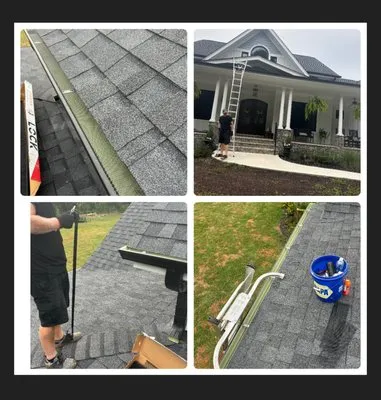
Hello, I'm Isaiah. My brother and I are the local owners of Unclutter Your Gutter. Born from a shared dream with my late wife, this business is our commitment to serving Chapel Hill with care and dedi...
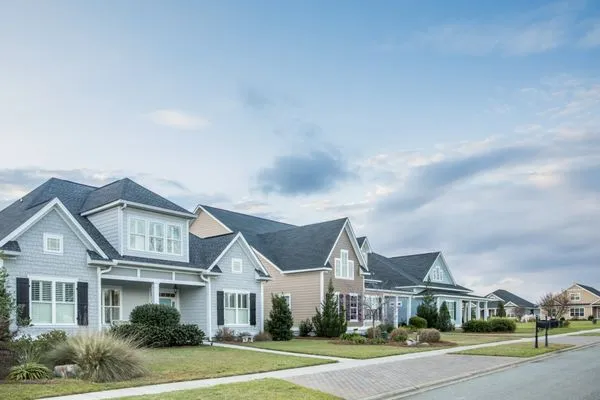
Keystone Property Services brings over four years of hands-on experience to the Angier community, specializing in comprehensive outdoor solutions. We are your local resource for fencing, tree services...
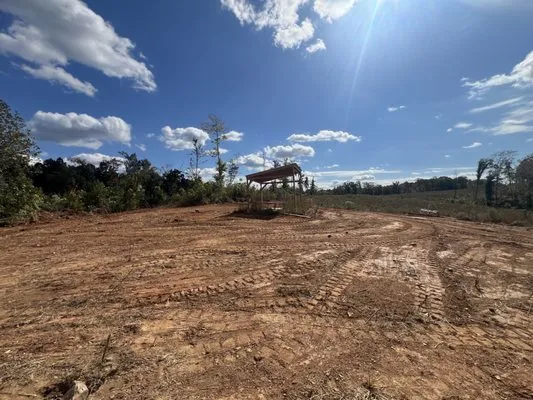
N&D Lawn Care is a Sanford, NC-based company providing comprehensive outdoor solutions including lawn care, tree services, and excavation. We specialize in addressing common local landscaping challeng...
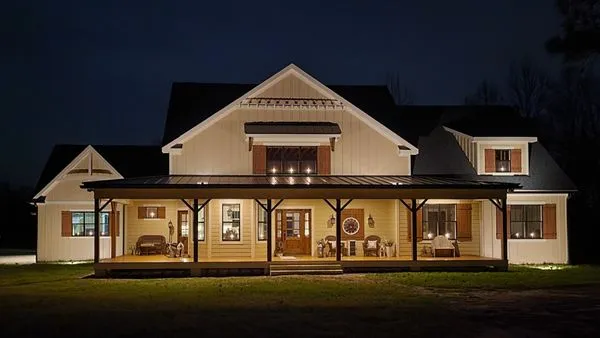
Lights and Land has been elevating outdoor spaces in Zebulon and surrounding North Carolina communities since 2014. Specializing in landscape lighting design and installation, we focus on quality craf...
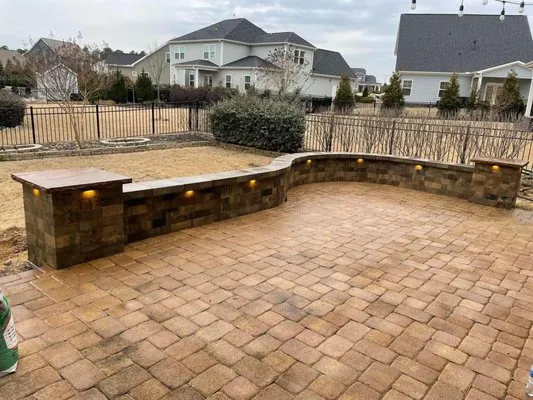
KLC Landscape Services has been a trusted partner for outdoor transformations in Fuquay-Varina and across Wake, Johnson, and Harnett counties for over five years. We specialize in building durable and...
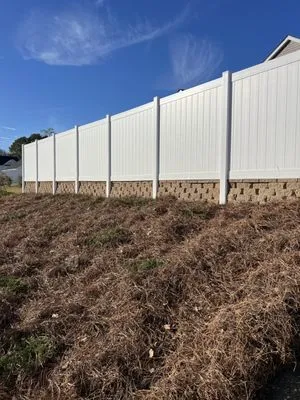
Carolina Garden Gate is your trusted, full-service landscaping partner in Fuquay-Varina, NC. We specialize in comprehensive lawn care, landscape construction, and expert plant health management. Our t...
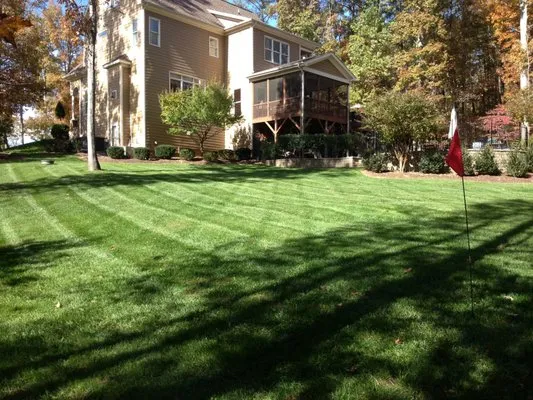
Nature First Landscaping
Nature First Landscaping is a locally owned and operated landscaping company serving homeowners in Raleigh, NC. We specialize in creating and maintaining beautiful, functional outdoor spaces that enha...
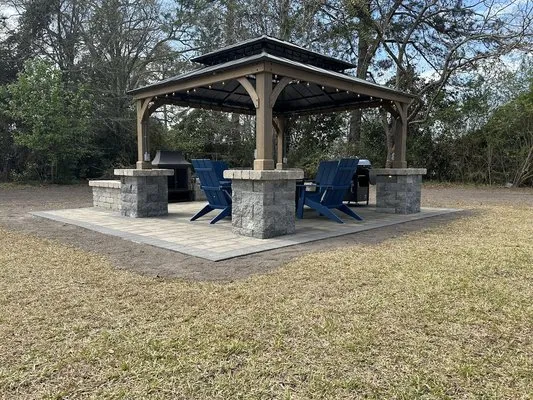
C3 Hardscapes & Design, LLC is a family-owned and operated business dedicated to transforming outdoor spaces throughout Eastern North Carolina. Based in Goldsboro, we specialize in creating durable an...
Distinct Lawns
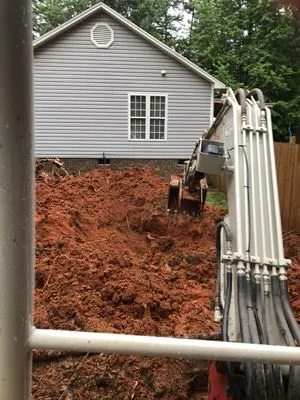
Distinct Lawns is a locally-owned lawn care and landscaping business serving Franklinton, NC, and surrounding areas since 2006. Founded by Russell McBride, who brings nearly two decades of experience ...
Byrd's Landscaping & Mowing Service is your trusted, full-service partner for outdoor care in Kenly, NC. We understand that local homeowners face common challenges like dead lawn patches and dying shr...
Estimated Landscaping Service Costs in Pine Level, NC
Question Answers
What is your emergency response time for storm debris cleanup?
For HOA compliance or safety-critical cleanup, our dispatch from the Pine Level Town Hall area allows a 25-35 minute peak response. We route via I-95 for primary access, then utilize secondary roads. Our 2026 fleet transition to electric maintenance equipment ensures we can operate within standard municipal hours (8:00 AM - 8:00 PM) without noise ordinance conflicts, even for early or late deployments.
What permits and licenses are required to regrade my backyard?
Any significant regrading or earthmoving on a 0.35-acre lot typically requires a land disturbance permit from the Town of Pine Level Planning & Zoning to ensure proper erosion control and drainage. The contractor performing the work must hold a license from the North Carolina Landscape Contractors' Licensing Board, which covers grading and drainage. This licensing is a legal requirement that validates their competency in engineering the soil for stability and proper water management.
Are concrete pavers a better choice than wood for a new patio?
For longevity and fire resilience in Zone 8a, inorganic materials like concrete pavers or crushed granite are superior. They do not rot, warp, or attract termites. In a Moderate Firewise USA Community, using non-combustible hardscape materials for the first 5-10 feet around the home creates critical defensible space. Pavers also have a higher albedo, reducing heat island effect compared to asphalt or dark wood stains.
Why does my yard drain poorly despite having sandy soil?
Properties built around 1987 in Downtown Pine Level have nearly 40-year-old soil profiles. Ultisols, our native sandy loam, compact over decades from construction and routine traffic, forming a dense, impermeable layer called a hardpan. This layer disrupts soil percolation, causing that seasonal high water table to linger. Core aeration and adding 2-3 inches of composted organic matter are critical to restore structure and infiltration in these mature landscapes.
What invasive species should I watch for, and how do I control them?
Pine Level faces persistent threats from Japanese stiltgrass and Chinese privet. Manual removal before seed set is most effective. For chemical treatment, use a glyphosate alternative labeled for specific invasive control, applied as a targeted foliar spray in late summer. This approach minimizes non-target impact and complies with the state-mandated phosphorus limitation, avoiding fertilizer blackout dates which typically restrict applications near waterways.
How can I keep my Tall Fescue green under Stage 1 water restrictions?
Wi-Fi ET-based weather sensing irrigation is the standard for Pine Level's climate. The system automatically adjusts runtime using real-time evapotranspiration data, applying water only when the turfgrass needs it. This precise method typically uses 20-30% less water than traditional timers, keeping Tall Fescue viable while staying well within municipal limits. Deep, infrequent watering cycles encourage deeper root growth, further enhancing drought tolerance.
My yard has persistent soggy areas. What is a lasting solution?
Moderate runoff in sandy loam soils often indicates subsurface compaction. A graded French drain system can intercept and redirect that seasonal high water table. For new hardscapes, specify permeable concrete pavers or an open-graded crushed granite base; these materials increase surface permeability and can help projects meet the Town of Pine Level Planning & Zoning's updated runoff standards by allowing stormwater to infiltrate on-site.
Is there a lower-maintenance alternative to my weekly-mowed lawn?
Transitioning high-input turf to a xeriscape of native plants like Eastern Redbud, American Beautyberry, Butterfly Weed, and Switchgrass significantly reduces water, mowing, and chemical needs. This biodiversity-focused planting is aligned with 2026 standards, creating habitat while building soil health. It also future-proofs your property against evolving noise ordinances targeting gas-powered blowers and mowers, as native beds require minimal seasonal maintenance.
