Top Landscaping Services in Nashville, NC, 27856 | Compare & Call
There are 127 landscaping companies server in Nashville NC
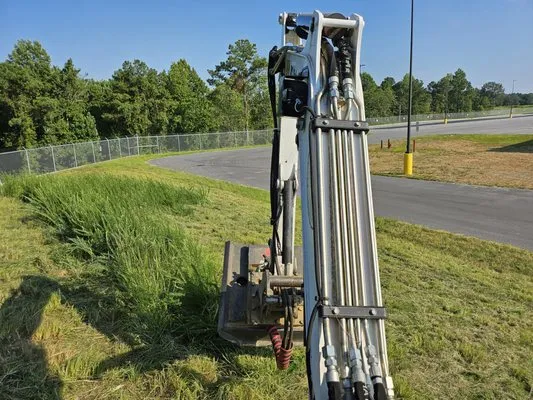
Carolina ServiceZ is a Wilson-based company with over 20 years of experience in landscaping, masonry/concrete, and pressure washing services. We specialize in comprehensive outdoor solutions for homeo...
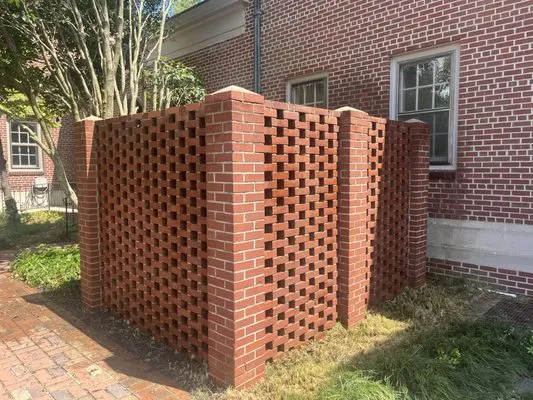
Lawn Stars in Wilson, NC is a locally owned business dedicated to enhancing your property's curb appeal and cleanliness. We provide reliable lawn care, professional pressure washing, and thorough auto...
DKW Turf Management is a Wilson, NC-based lawn care provider dedicated to helping local homeowners achieve and maintain healthy, vibrant lawns. We understand the common challenges in our area, such as...
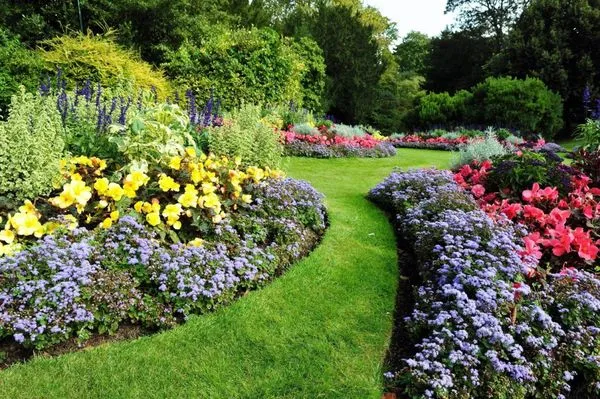
Ever Grande Landscaping has been a trusted part of the Wilson, NC community since 1998. With over two decades of hands-on experience, we understand the unique needs of lawns and landscapes in our loca...
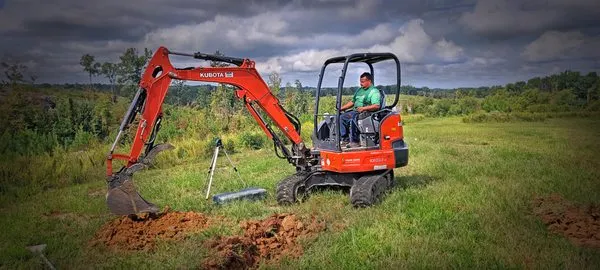
Four Oaks Residential is a trusted earthworks and masonry contractor serving Four Oaks and surrounding areas since 1986. With over 3,000 projects completed, we specialize in residential foundation con...
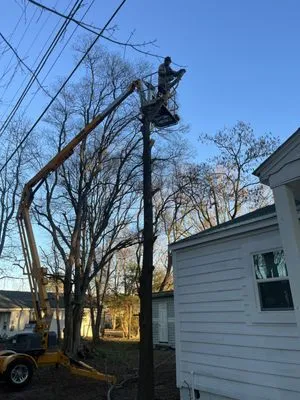
At Pjs Lawn Care in Selma, NC, we take a thoughtful, customized approach to every lawn service job. We believe that effective communication with our customers is essential, so we listen carefully to u...

Tetrion Property Solutions is a professional, woman-owned property maintenance and restoration company based in Wilson, NC, serving residential and commercial clients across North Carolina. Our experi...
Swinson’s Landscape and Design is a trusted lawn care provider serving Zebulon, NC, and the surrounding area. We understand that local homes often face specific landscaping challenges, such as damaged...
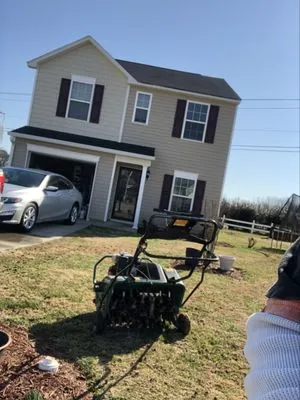
He Cutz Landscap’N is a Nashville, NC landscaping business where owner-operated care meets genuine passion. For the team here, landscaping isn't just a job—it's a hobby they love. They find real satis...
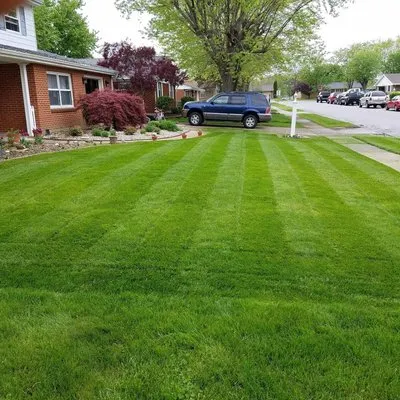
Batts' Lawn Care is a trusted lawn service provider in Black Creek, NC, dedicated to helping local homeowners achieve and maintain a healthy, resilient yard. We understand the common local challenges ...
Estimated Landscaping Service Costs in Nashville, NC
Question Answers
Why does my soil seem so compacted and acidic?
Properties in the Nashville Historic District, built around 1992, have soils that have matured for about 34 years. The predominant Ultisols, a sandy loam with a pH of 5.5-6.2, naturally become acidic and dense over decades of standard lawn care. This compaction impedes water percolation and root growth. Core aeration combined with incorporating organic compost is the primary method to correct soil structure and raise the pH for optimal plant health.
My yard stays soggy after rain. What's the solution?
Moderate runoff from a seasonal high water table is common with our sandy loam soils, which have limited permeability. The solution integrates grading and subsurface infrastructure. We recommend installing French drains or dry creek beds to channel water. For new hardscapes, using permeable concrete pavers or local granite set in a gravel base significantly increases ground infiltration, which often helps meet the Town of Nashville's stormwater management standards for runoff reduction.
What permits and licenses are needed for a landscape renovation?
Significant grading, drainage work, or structural changes on a 0.35-acre lot typically require a permit from the Town of Nashville Planning & Development. It is essential to hire a contractor licensed by the North Carolina Landscape Contractors Licensing Board (NCLCLB) for projects exceeding $30,000 in value. The NCLCLB license ensures the contractor carries insurance, adheres to state laws, and possesses the technical competency for installing systems that affect property drainage and stability.
Is there a lower-maintenance alternative to my traditional lawn?
Yes, transitioning high-input turf areas to a climate-adaptive xeriscape is a forward-looking strategy. Incorporating native plants like Eastern Redbud, Switchgrass, Black-eyed Susan, and Joe Pye Weed reduces water, fertilizer, and weekly mowing demands. This biodiversity-focused landscape also provides habitat and stays ahead of potential regulatory trends, such as expanding gas-powered blower bans under noise ordinances, as electric equipment is sufficient for its upkeep.
How do I keep my Tall Fescue green without wasting water?
While Nashville is currently under Stage 0 water restrictions, efficient use is critical. Wi-Fi ET-based irrigation controllers are the standard. They adjust watering schedules daily based on local evapotranspiration data and weather sensing, applying water only when the turf needs it. This technology prevents overwatering, conserves municipal resources, and maintains turf health by delivering deep, infrequent irrigation that encourages drought-tolerant root systems.
How quickly can you respond for an HOA violation cleanup?
For an emergency compliance call, we can typically dispatch a crew from our staging area near the Nash County Courthouse. The route via US-64 allows for a 20-30 minute arrival during peak hours. Our electric maintenance fleet meets standard decibel limits, enabling work within noise ordinance windows. We prioritize these calls to mitigate fines and restore property standards efficiently.
Are concrete pavers or wood better for a new patio?
For longevity and low maintenance in our climate, concrete pavers or local granite are superior to wood. Wood requires constant sealing and is susceptible to rot. Inorganic materials offer permanence, better drainage when installed properly, and align with Firewise USA principles for creating defensible space in areas with a moderate fire risk. They provide a non-combustible zone near structures without the decay cycle of organic materials.
What are the biggest weed threats and how do I handle them?
In Zone 8a, invasive species like Japanese stiltgrass and spotted spurge are primary alerts. Manual removal and pre-emergent herbicides applied in late winter are most effective. Crucially, any fertilizer application must comply with statewide phosphorus limits for non-agricultural turf; most established lawns require zero phosphorus. Always check product labels and avoid applications during summer heat or before heavy rain to prevent nutrient runoff into local waterways.
