Top Landscaping Services in Mount Pleasant, NC, 28025 | Compare & Call

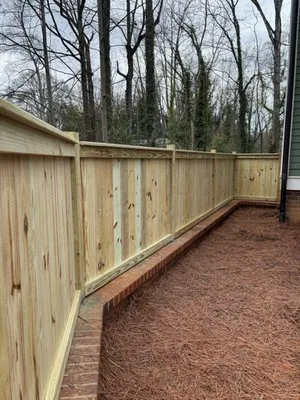
Arborescent Gardens
Since 1997, Arborescent Gardens has been a trusted, family-owned business serving Mount Pleasant and the surrounding areas. As the owner, I bring a comprehensive set of North Carolina certifications t...
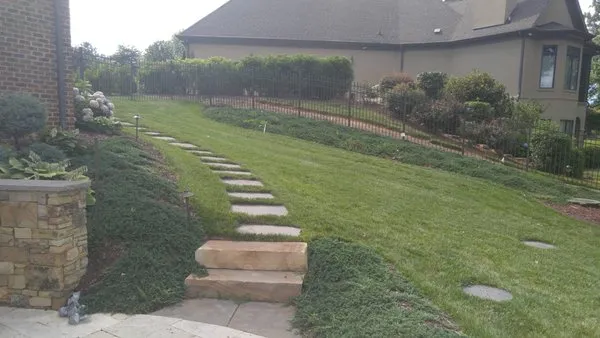
2nd Look Landscapes is a dedicated lawn care provider serving Mount Pleasant, NC, and the surrounding Cabarrus County area. We understand the unique challenges local homeowners face, such as landscape...
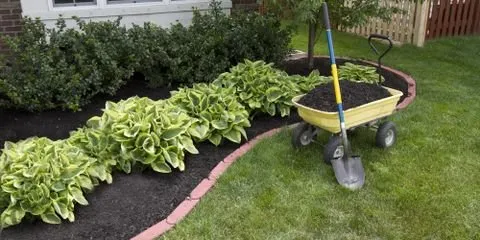
Grassmaster Lawn Care has been the trusted landscaping partner for Mount Pleasant, NC, since 1999, serving both homes and businesses. We approach your property like a tailor crafting a fine suit, ensu...
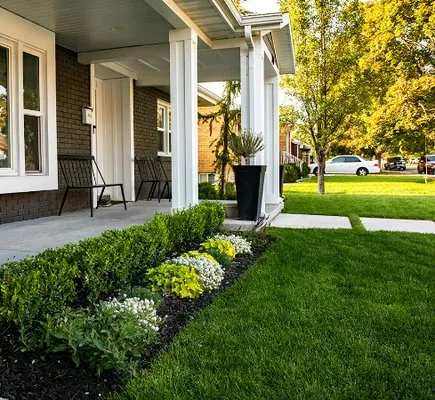
R And S Ground Management is a locally owned and operated landscaping company serving Mount Pleasant, NC, and the surrounding areas. We provide reliable residential and commercial property care, dedic...
Tarheel Stump & Lawn Service
Tarheel Stump & Lawn Service is a locally owned and operated business serving Mount Pleasant and surrounding communities. Owner Rickey Wright, a Concord native with over 15 years of experience, brings...
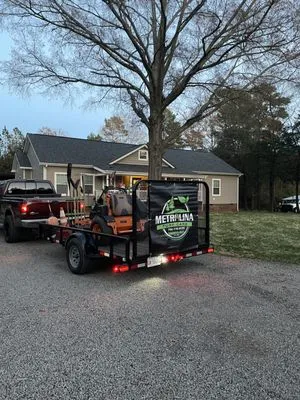
Metrolina Turf Care is a firefighter-owned lawn care business in Mount Pleasant, NC, founded in 2022. The owner's upbringing instilled a strong work ethic and commitment to helping others, which drive...
For over 30 years, Daniel Flynn of Southern Stonescapes has dedicated himself to mastering the art of outdoor living in Mount Pleasant, NC. His deep expertise in horticulture, stonework, and water fea...

Wilson Turf & Landscape is a family-owned landscaping company serving Mount Pleasant, NC, and the surrounding areas since 2017. We specialize in creating and maintaining beautiful, functional outdoor ...
G&C Lawn Care is a trusted local landscaping partner for homeowners in Mount Pleasant, NC. We understand the unique challenges of maintaining a healthy yard in our area, from persistent lawn insect da...
Carolina Lawn & Tree Service is your trusted local expert for maintaining beautiful, healthy lawns and trees in Mount Pleasant, NC. We understand the unique challenges of our area, including common is...
Q&A
Is there a lower-maintenance alternative to my traditional lawn?
Transitioning high-input turf to a climate-adaptive xeriscape with native plants is a forward-looking strategy. Using species like Eastern Redbud, Switchgrass, and Purple Coneflower reduces mowing frequency, eliminates the need for gas-powered blowers ahead of tightening noise ordinances, and provides superior habitat. These deep-rooted natives require minimal irrigation once established, build soil health, and align with 2026 biodiversity and Firewise USA community standards for our moderate-risk zone.
Are concrete pavers or natural stone better than wood for a new patio?
For longevity and reduced maintenance, inorganic materials like concrete pavers or local fieldstone vastly outperform wood. They offer superior durability against moisture and decay without requiring chemical treatments. In the context of Mount Pleasant's moderate Firewise USA rating, these materials also contribute to defensible space as non-combustible zones around structures. Their permeability, when installed correctly, addresses drainage concerns and often streamlines permit approval for hardscape projects.
Why is my soil so compacted and acidic?
Homes in Downtown Mount Pleasant, built around 1978, have soil that is approximately 48 years mature. Over decades, construction compaction and weathering have intensified the natural properties of our native Cecil Sandy Loam, a type of Ultisol. This soil profile is inherently acidic (pH 5.5-6.2) and prone to high clay content at depth, restricting root growth and water percolation. Annual core aeration and the incorporation of composted organic matter are required to rebuild structure and moderate pH for healthy plant growth.
How can I keep my lawn green during summer water restrictions?
Under Stage 1 voluntary conservation, efficient water use is critical. Smart Wi-Fi ET-based irrigation systems are the standard solution, programming controllers using real-time evapotranspiration data from local weather stations. This technology applies water only when your Tall Fescue or Zoysiagrass truly needs it, preventing overwatering and staying well within municipal guidelines. Deep, infrequent watering cycles encourage deeper root systems, further enhancing drought tolerance.
My yard holds water after rain. What's a lasting fix?
Moderate surface ponding is a common issue due to the high clay content in our Cecil soil, which severely reduces permeability. A core strategy involves replacing impermeable surfaces with permeable concrete pavers or local fieldstone, which meet Mount Pleasant Planning and Zoning Department standards for managing stormwater runoff. Subsurface solutions like French drains or dry creek beds, paired with strategic regrading, will direct water away from foundations and eliminate standing water.
Can you respond quickly for an urgent storm cleanup to meet HOA deadlines?
For emergency cleanup or HOA compliance, our dispatch from the Mount Pleasant Town Hall uses NC-49 for primary access, ensuring a reliable 20-30 minute peak response to most neighborhood calls. We maintain electric-powered equipment fleets compliant with local noise ordinances for operations within the 7 AM to 9 PM window. This allows for immediate, low-impact debris management and turf repair to restore property safety and aesthetics swiftly.
What permits and licenses are needed for regrading my yard?
Regrading a 0.35-acre lot typically requires a permit from the Mount Pleasant Planning and Zoning Department to ensure compliance with erosion control and stormwater management ordinances. Crucially, any contractor performing this work must hold a license from the North Carolina Landscape Contractors Licensing Board, which mandates expertise in grading, drainage, and structural landscaping. This licensing protects you by guaranteeing work meets state standards for safety and environmental protection.
What should I do about invasive weeds like Japanese Stiltgrass or Chinese Privet?
Invasive species alert: non-native grasses and woody shrubs aggressively outcompete natives. Treatment requires a targeted, integrated approach. Manual removal for light infestations and precise, EPA-registered herbicide applications for severe cases are effective, but timing is critical to avoid statewide Phosphorus Nutrient Management blackout dates. Post-removal, promptly replant with dense native groundcovers like Virginia Sweetspire to prevent reinvasion and restore ecological function.
