Top Landscaping Services in Moravian Falls, NC, 28654 | Compare & Call
There are 91 landscaping companies server in Moravian Falls NC
TNT Hauling is your West Jefferson, NC, neighbor for a wide range of cleanup and property care services. We specialize in junk removal, hauling, and landscaping, helping you reclaim your space and imp...
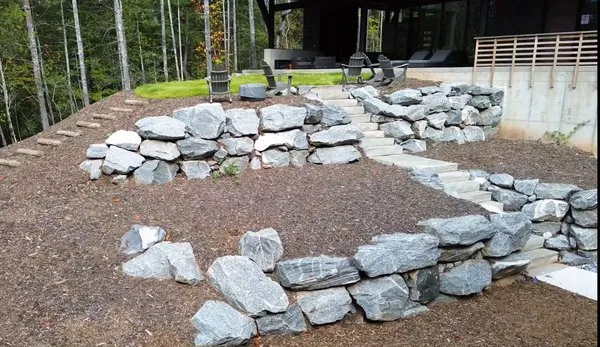
Slope Solutions is a trusted landscaping partner for residents and businesses in Morganton, North Carolina, and the surrounding Burke County area. Founded in 2003, we specialize in comprehensive prope...

T 3 Land Management is a locally-owned and operated landscaping company serving Hudson, NC, and the surrounding areas. We specialize in a comprehensive range of services designed to address the specif...
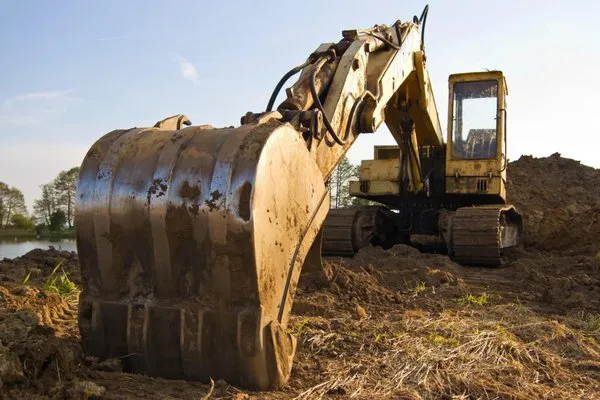
NC Forestry Mulching & Logging, LLC in Moravian Falls, NC, brings over a decade of licensed and insured expertise to land management projects across the High Country. Specializing in environmentally c...
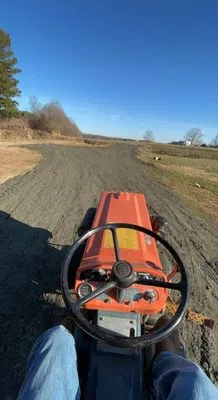
Founded by two best friends who share a love for the outdoors and a commitment to their community, J&J Lawn Care is a Taylorsville-based, full-service lawn care provider. We believe in working directl...
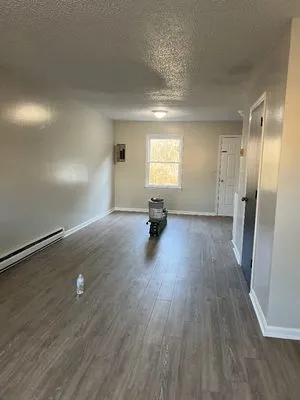
Affordable Home Repairs in Lenoir, NC is your trusted local partner for essential home maintenance, specializing in both plumbing and lawn services. We understand that Lenoir homeowners often face lan...
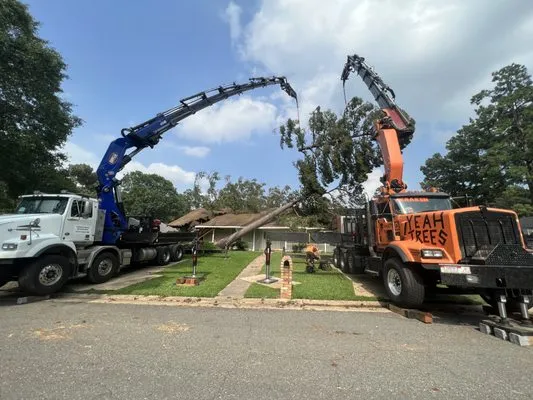
Sweet’s Tree Service
Sweet's Tree Service is a veteran-owned, family-operated business serving Vale, NC, and surrounding areas since 1989. With nearly 50 years of combined experience, we specialize in comprehensive tree c...
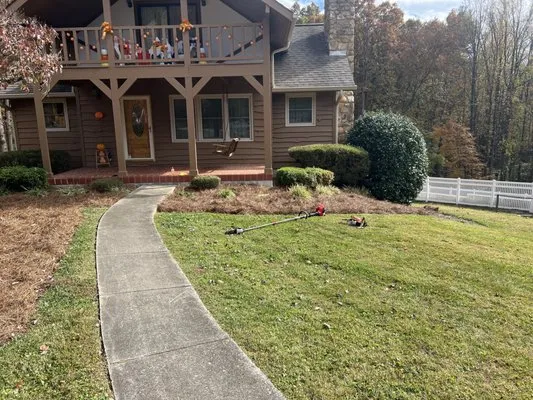
Three Crosses Landscaping
Three Crosses Landscaping is a trusted Elkin, NC provider of comprehensive outdoor solutions, specializing in landscape design, greenscape design, lawn care, and snow removal. We understand the common...
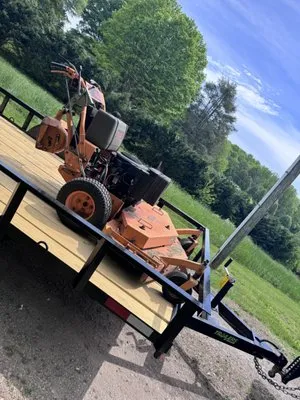
H & R Lawn Care is a trusted, family-operated lawn service in State Road, North Carolina, with deep roots in the community. For over 20 years, our seasoned team has provided reliable, expert care, fro...
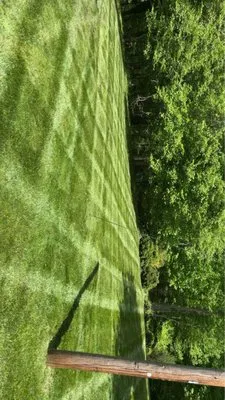
Swaims Lawncare is your trusted, local partner for a pristine yard in Thurmond, NC. We specialize in comprehensive lawn care services designed to tackle common local challenges like overgrown shrubs a...
Estimated Landscaping Service Costs in Moravian Falls, NC
Common Questions
What permits and licenses are required for grading our 0.75-acre property?
Wilkes County Planning & Inspections requires erosion control permits for any disturbance exceeding 1/3 acre, mandating silt fence installation and stormwater management plans. The North Carolina Landscape Contractors' Licensing Board certifies professionals for grading work involving cut/fill over 2 feet depth. On 0.75-acre lots, licensed contractors must carry minimum $500,000 liability insurance and provide notarized property line verification before equipment mobilization.
How quickly can you respond to storm damage for HOA compliance in our neighborhood?
Emergency cleanup crews dispatch from the Moravian Falls Post Office with chainsaws and chippers loaded on electric maintenance vehicles. Taking NC-16 southbound avoids peak traffic bottlenecks, ensuring 45-60 minute arrival during business hours. We prioritize safety assessments of hanging limbs over cosmetic debris removal, documenting all work for HOA submission with timestamped GPS coordinates from our fleet management system.
Can I maintain Tall Fescue turf while respecting Moravian Falls water conservation goals?
Stage 0 restrictions allow irrigation but recommend ET-based scheduling. Smart Wi-Fi soil moisture sensors placed at 6-inch depth zones prevent overwatering by triggering only when moisture drops below 30% field capacity. This maintains Kentucky-31 fescue at 3-4 inch height with 0.75 inches weekly during peak evapotranspiration periods, staying well within municipal water allocation limits through precise volumetric control.
What solutions prevent erosion on our sloped Moravian Falls properties?
Moderate erosion risk on acidic Ultisol slopes requires graded swales with 2% minimum slope toward rain gardens. Permeable local granite dry creek beds provide 40% void space for infiltration, meeting Wilkes County Planning & Inspections runoff standards. French drains wrapped in non-woven geotextile at 18-inch depth intercept subsurface flow while native switchgrass plantings stabilize banks with deep root systems.
How can we reduce maintenance while supporting local biodiversity?
Transitioning high-input turf to climate-adaptive xeriscaping with Mountain Laurel and Rhododendron maximum reduces mowing frequency by 70%. Eastern Redbud understory plantings support native pollinators while Butterfly Weed meadows require no irrigation after establishment. This approach stays ahead of 70 dB noise ordinance compliance as electric equipment becomes mandatory, cutting carbon emissions by eliminating gas-powered blowers and trimmers.
Should we use local stone or wood for patio construction given fire safety concerns?
Local granite and fieldstone provide non-combustible surfaces with 50+ year durability versus wood's 15-year lifespan with constant maintenance. For Moderate WUI Zone 2 compliance, stone hardscapes create defensible space when installed 30 feet from structures with 5-foot gravel buffer zones. Thermal mass properties moderate microclimate temperatures while permeable jointing with angular aggregate meets firewise rating requirements without compromising drainage.
Why does my Moravian Falls Village yard have such compacted soil that won't drain properly?
With homes averaging 28 years old since 1998 construction, soil maturity in Moravian Falls Village has developed acidic Ultisol profiles with sandy loam texture. Decades of foot traffic and equipment compaction have reduced permeability below 0.5 inches per hour. Core aeration with 3-4 inch depth penetration every 2-3 years is essential to break up thatch layers and incorporate organic amendments like composted pine bark to buffer the pH 5.5-6.2 range.
What invasive species threaten Moravian Falls landscapes and how do we manage them?
Japanese stiltgrass and Chinese privet present high alert risks in USDA Zone 7a, outcompeting native Switchgrass communities. Manual removal before seed set in late summer avoids herbicide use during General Statute 143-215.1 blackout dates. For established infestations, targeted glyphosate applications at 2% solution in early fall minimize non-target impact while mycorrhizae inoculants restore soil biology after treatment.
