Top Landscaping Services in Mayodan, NC, 27025 | Compare & Call


Sky Handyman Services is your trusted local expert for home repairs and outdoor care in Mayodan, NC. We specialize in handyman, landscaping, and flooring services, offering everything from appliance i...
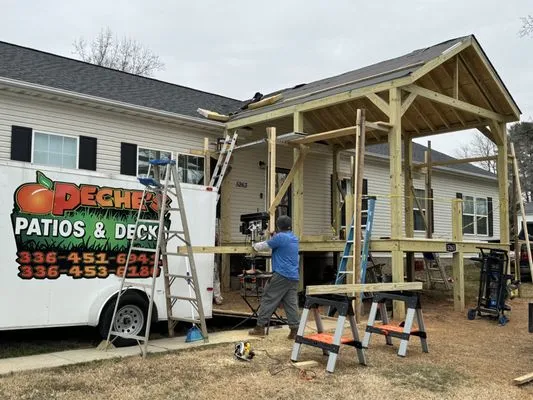
Peche’s Landscaping & lawncare
Pêche's Landscaping & Lawncare is a locally owned and operated business with deep roots in the construction industry. After three decades as an electrician, our founder leveraged his extensive field e...
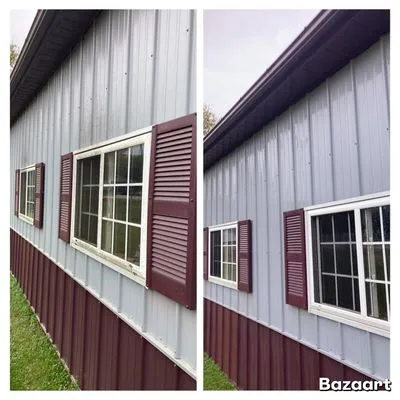
C & J Outdoor Services is a locally owned and operated business serving homeowners and businesses in Mayodan, NC, and throughout Rockingham County. As a trusted community partner, we understand the sp...
Bullins Property Enhancements is your trusted local partner for landscaping and tree care in Mayodan, NC. We specialize in resolving common local property challenges, like clearing storm debris and re...
Shelton's Lawn Care is your trusted local landscaping partner in Mayodan, NC, focused on solving the common yard problems that impact our community's curb appeal and property health. We specialize in ...
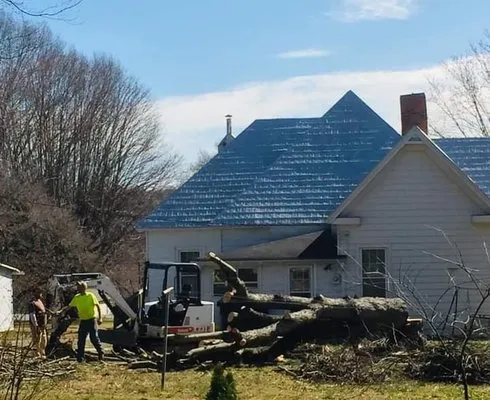
Griffin Tree Service and Landscaping is a trusted local provider in Mayodan, NC, offering comprehensive tree care, landscaping, and snow removal services. With expertise in landscape construction, shr...

Greenthumb Landscaping Pressure Washing is a Mayodan-based business specializing in landscaping and pressure washing services to keep local properties looking their best. We understand common issues i...
Scoops Mowing is your local Mayodan landscaping specialist dedicated to solving the common lawn challenges faced by homeowners in our community. We understand that dead patches and persistent weed inf...
Mizelle Mowing is a trusted local lawn care provider serving Mayodan, NC. We specialize in helping homeowners tackle common regional landscaping challenges, including persistent lawn fungus diseases a...
FAQs
I'm tired of weekly mowing. Are there lower-maintenance, eco-friendly alternatives to grass?
Transitioning to a landscape anchored by Piedmont natives like Eastern Redbud, Switchgrass, and Butterfly Weed significantly reduces maintenance inputs. These plants are adapted to our acidic soil and climate, requiring less water and no regular mowing. This shift also supports 2026 biodiversity goals and future-proofs your property against evolving noise ordinances that restrict gas-powered blowers and mowers. The resulting landscape is resilient, provides seasonal interest, and supports local pollinators.
I've spotted what looks like Japanese stiltgrass. How should I handle invasive weeds here?
Correct identification is critical, as invasive species like stiltgrass or mile-a-minute vine can outcompete natives. Treatment must align with the NC Division of Water Resources Nutrient Management Regulations, which may restrict certain herbicide application timings near waterways. For many invasives, manual removal before seed set is effective. We develop integrated management plans that prioritize cultural and mechanical controls first, using targeted chemical treatments only as a last resort and strictly within legal application windows.
A storm just knocked down a large limb. How quickly can you respond for an emergency cleanup?
For urgent situations like storm debris, we can typically dispatch a crew from our staging area near Farris Memorial Park within the hour. The route via US-220 allows us to reach most addresses in the Mayodan Historic District within a 20-30 minute window, even during peak traffic. Our electric fleet operates quietly, ensuring compliance with municipal quiet hours if work extends into early evening. We prioritize securing the site and clearing access paths for safety first.
Our yard collects water after every rain. What's the best long-term solution for drainage?
Moderate runoff is a direct result of the low permeability in our region's compacted sandy clay loam. The most effective solution integrates subsurface strategies like French drains with surface hardscape choices. Using permeable concrete pavers for patios or walkways allows stormwater to infiltrate on-site, reducing runoff volume and velocity. This approach often meets Rockingham County Planning & Inspections standards for managed stormwater and directly addresses the core issue of soil compaction.
We want to regrade our backyard. What permits and contractor qualifications are required?
Any significant grading or earth-moving on a 0.25-acre lot typically requires a land disturbance permit from Rockingham County Planning & Inspections to control erosion and sedimentation. Crucially, the work must be performed by or under the direct supervision of a contractor licensed by the North Carolina Landscape Contractors Licensing Board. This license ensures the professional has the technical knowledge of soil science, drainage, and state regulations necessary to execute the work correctly and avoid costly property damage or violations.
We're building a new patio. Why are permeable pavers recommended over wood or solid concrete?
Permeable concrete pavers offer superior longevity and functionality in our environment. Unlike wood, they won't rot or require chemical treatments, and their open-grid structure manages stormwater runoff—a key consideration for any permit application. For fire safety, they provide a stable, non-combustible surface that contributes to defensible space, aligning with Firewise USA community standards. Their durability and permeability make them a sustainable, long-term investment for a 7b climate.
How can I keep my Tall Fescue healthy during the summer without wasting water?
Smart irrigation controllers with in-ground soil moisture sensors are the standard for water conservation in Mayodan. These systems use real-time ET (evapotranspiration) data and soil readings to apply water only when and where your Tall Fescue truly needs it, avoiding the overwatering that exacerbates our clay compaction. This technology is key for adhering to voluntary conservation measures while maintaining turf health, as it can reduce typical outdoor water use by 20-30% compared to traditional timer-based systems.
Our yard in the Mayodan Historic District has never really thrived. Is the soil here just naturally poor?
The soil condition is a legacy of construction practices common when these homes were built around 1957. Over nearly 70 years, the native acidic sandy clay loam has become highly compacted, restricting root growth and water percolation. This compaction, typical in neighborhoods of this era, creates anaerobic conditions that limit nutrient availability. Core aeration and incorporating composted organic matter are essential first steps to rebuild soil structure and biological activity for modern planting.
