Top Landscaping Services in Maxton, NC, 28364 | Compare & Call

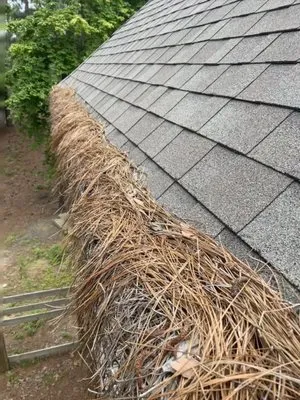
Brandon Grammer, the owner of B&Es LawnCare and Gutter Cleaning, has proudly served the Maxton community for over six years. His commitment to customer satisfaction is the foundation of the business, ...

Big Cntry Landscaping is a trusted, locally-owned landscaping company serving Maxton, NC, and the surrounding areas. We provide comprehensive care for your property, from detailed lawn maintenance lik...
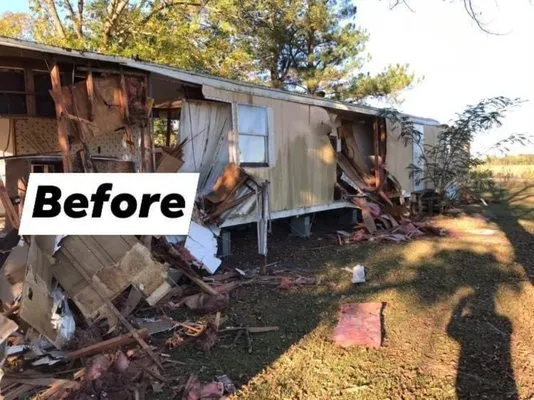
C&T LANDSCAPING is a fully insured, locally-owned landscaping and junk removal company serving Maxton, NC. We specialize in transforming outdoor spaces with services like landscape design and construc...
Custom Craft Contractor's is a trusted Maxton, NC-based contractor specializing in masonry, concrete, roofing, and landscaping services. We help local homeowners and businesses build durable, attracti...

Oxendine's Lawn Care is a locally owned and operated small business proudly serving the Maxton community. Our approach is straightforward: we believe in providing reliable, effective lawn care at a fa...
Zkutt Lawn Care is a trusted lawn service provider in Maxton, NC, dedicated to helping local homeowners maintain healthy, beautiful yards. We specialize in comprehensive lawn care solutions that direc...

Donovan's Landscaping is your trusted local expert in Maxton, NC, offering comprehensive solutions for junk removal, pressure washing, and lawn care. We understand the unique challenges Maxton homeown...
3 Brothers Roofing and Landscaping is a family-owned and operated business proudly serving Maxton, NC, and the surrounding Robeson County area. We understand the local challenges homeowners face, incl...

At CB Landscape in Maxton, we believe great landscaping is built on care and reliability, not high prices. My journey began by helping a local landscaper, and through dedication, I started maintaining...
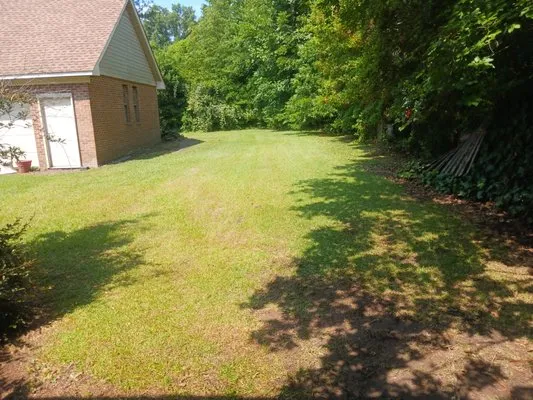
Jacobs Tree Removal and Lawn Care is your trusted local expert in Maxton, NC, specializing in comprehensive tree and lawn solutions. We understand the common landscaping challenges in our area, partic...
Frequently Asked Questions
My yard in Downtown Maxton has always been patchy. Is it the soil?
Properties in Maxton built around 1980 have soil profiles over 45 years old. The native Ultisols, a sandy loam topsoil over a dense clay subsoil, become severely compacted over decades, creating a 'hardpan' layer. This layer restricts root growth and water percolation, which explains the poor turf health. To restore soil structure, an annual program of core aeration and incorporating 2-3 inches of compost into the topsoil is essential to rebuild porosity and microbial activity.
I'm tired of weekly mowing. Are there lower-maintenance options?
Transitioning high-input turf areas to a climate-adaptive xeriscape with native plants like Eastern Redbud, Sweetspire, Switchgrass, and Black-eyed Susan drastically reduces water, mowing, and fertilization needs. This approach not only conserves resources but also future-proofs your landscape against evolving noise ordinances that may restrict gas-powered blowers and mowers, while providing superior habitat value under 2026 biodiversity guidelines.
My yard floods after heavy rain. What's a long-term solution?
Poor infiltration is a known issue in Maxton due to the clay-rich subsoil beneath the sandy loam. A functional solution involves creating a dry creek bed or a French drain system to intercept surface runoff. For patios or walkways, using permeable concrete pavers or an open-graded crushed granite base can significantly improve subsurface drainage and help meet Robeson County Planning & Inspections' stormwater management standards for new hardscapes.
How can I keep my Tall Fescue green during the summer without wasting water?
Smart Wi-Fi soil moisture sensors are critical for efficient irrigation in Maxton's Zone 8a climate. These controllers use local evapotranspiration (ET) data and real-time soil readings to bypass scheduled watering when moisture is adequate. This technology prevents overwatering, which is common in sandy loam, and aligns with voluntary conservation efforts by reducing draw on municipal water supplies by an average of 30-40%.
If a storm blows down a tree, how fast can a crew get here for an emergency cleanup?
For emergency storm response in Downtown Maxton, a dispatched crew would stage from the Maxton Town Hall area. Traveling via US-74, the standard peak traffic response window is 20 to 30 minutes. Our electric maintenance fleet, operating below local noise limits, is prioritized for such calls to quickly clear hazards from roads and structures while complying with daytime decibel ordinances.
Are concrete pavers a better choice than wood for a new patio?
For longevity and reduced maintenance in Maxton's humid climate, inorganic materials like concrete pavers or crushed granite outperform wood. They are non-combustible, which contributes directly to a home's defensible space and aligns with the Moderate Fire Wise rating for our wildland-urban interface. These materials also avoid the decay, insect damage, and required chemical treatments associated with wooden structures, providing a more permanent and ecologically stable solution.
Does regrading my backyard require a permit or a special contractor?
Yes. Any significant grading or earth-moving on a 0.25-acre lot that alters water flow or impacts property lines typically requires a review and permit from Robeson County Planning & Inspections. Furthermore, this type of work must be performed by or under the supervision of a professional licensed by the North Carolina Landscape Contractors Licensing Board. This ensures the work meets structural and environmental codes, protecting you from liability and future drainage issues with neighbors.
I see a fast-spreading vine. How do I handle it safely?
Common invasive species in this area, like Japanese honeysuckle or kudzu, require prompt mechanical removal followed by careful, targeted herbicide application. All treatments must adhere to North Carolina's statewide Phosphorus application restrictions, meaning many standard 'weed-and-feed' products are prohibited. It is critical to schedule any chemical intervention outside of local fertilizer ordinance blackout dates, typically in the peak summer months, to protect watersheds.
