Top Landscaping Services in Marshville, NC, 28103 | Compare & Call

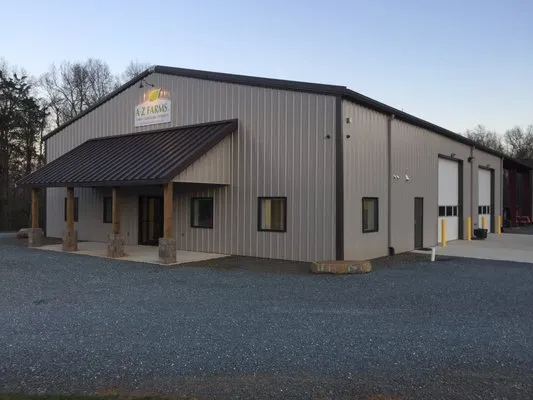
A To Z Farms, LLC began as a one-person operation in 1997, born from a genuine love for the craft of landscaping. From those roots, the company has grown into a full-service licensed landscape contrac...
Since July 2019, Pierce Landscaping has been the trusted, family-owned lawn care provider for Marshville and the surrounding Union County area. We are built on a foundation of customer satisfaction an...
Reliable Lawn Care is your trusted partner for year-round property maintenance in Marshville, NC. We specialize in professional landscaping and expert tree care to address common local challenges like...
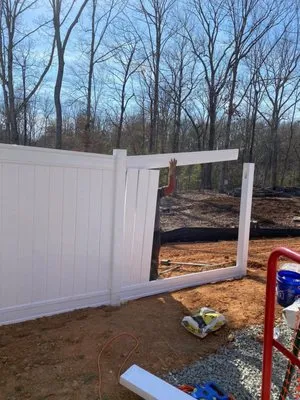
JL&G Fence and Landscaping is your trusted local partner for enhancing and protecting your Marshville property. We specialize in comprehensive landscape and greenscape construction and design, buildin...
JTS Lawn Care is a trusted local provider in Marshville, NC, offering comprehensive junk removal and lawn services to keep your property clean and healthy. We specialize in junk pickup to clear away u...
Superior Lawn Care is your trusted, locally-owned landscaping partner in Marshville, NC. We specialize in diagnosing and solving the common local lawn problems that homeowners face, particularly dead ...
Kemp Melton Brush Cutting is a Marshville-based landscaping service dedicated to tackling the common local issue of patchy and dead lawn areas. We specialize in brush cutting and vegetation management...

Everything Under the Sun Landscaping has been a trusted name in Marshville, NC, since 1987, providing comprehensive landscaping solutions for both residential and commercial properties. Our full-servi...
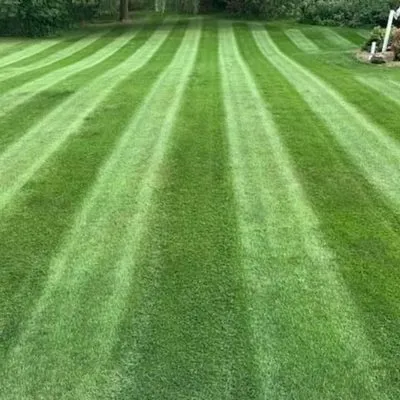
Randall's Lawncare provides dependable lawn care services for homes throughout Marshville, NC. We understand that many local properties face common issues like damaged landscape edging and uneven spri...
Rodriguez Lawncare And Landscaping is a trusted, locally-owned lawn service provider in Marshville, NC. We specialize in comprehensive lawn care to help homeowners maintain healthy, beautiful yards. W...
Common Questions
I've spotted what looks like invasive Japanese stiltgrass in my flower beds. How should I handle it without harming my other plants or breaking any rules?
Japanese stiltgrass is a high-priority invasive in this region. The safest control method is manual pulling before it sets seed in late summer. For chemical treatment, use a selective herbicide containing clethodim, which targets grasses without harming broadleaf natives like Milkweed. Always apply according to the label and be mindful of the statewide Phosphorus application limits; most post-emergent herbicides for invasives are not subject to blackout dates, but verifying with NC NCDA&CS guidelines is prudent.
If a storm brings down a large limb and my HOA issues a compliance notice, how fast can a crew get here for emergency cleanup?
For an emergency HOA compliance cleanup, our dispatch from the Marshville Town Hall area allows a crew to be en route via US-74 within the hour. Accounting for peak traffic conditions, we plan for a 45-60 minute arrival window to your property. We coordinate this response with the standard residential quiet hours (10 PM - 7 AM), utilizing electric chippers and haul equipment to minimize neighborhood disruption upon arrival.
With voluntary water conservation in effect, how can I keep my Tall Fescue lawn healthy without wasting water?
Smart Wi-Fi ET-based irrigation controllers are the standard for water conservation. These systems use local weather data to calculate evapotranspiration (ET), automatically adjusting runtime to replace only the water the turf uses. For Tall Fescue in Zone 8a, this prevents overwatering during humid periods and deepens root systems. This technology is the most effective method to maintain turf health while strictly adhering to municipal water use guidelines.
I want to reduce weekly mowing and gas equipment noise. What are my options for a quieter, lower-maintenance yard?
Transitioning high-maintenance turf areas to a xeriscape with native plants is a forward-looking strategy. Incorporating Eastern Redbud, Switchgrass, Black-eyed Susan, and Joe Pye Weed creates a resilient landscape that requires minimal watering and no weekly mowing. This shift aligns with evolving municipal noise ordinances that increasingly restrict gas-powered blowers and mowers, while providing superior habitat value and reducing your long-term maintenance footprint.
I'm considering a new patio. Are concrete pavers a better long-term choice than wood decking for our area?
For longevity and low maintenance in Marshville's climate, concrete pavers are superior to wood. They do not rot, warp, or require sealing, and their inherent fire resistance contributes to a home's defensible space—a relevant consideration given the Moderate Wildland-Urban Interface rating in parts of the county. A properly installed paver patio with a gravel base also mitigates the local drainage hazard by allowing water permeability, unlike solid concrete slabs.
My yard has persistent soggy areas after rain. What's a long-term solution that also looks good?
Moderate runoff is common due to the clay-heavy subsoil compaction in Cecil Sandy Loam. A functional solution involves creating a dry creek bed or swale lined with permeable materials like crushed granite. This system redirects surface water while allowing infiltration. For patios or walkways, using concrete pavers with a gravel base increases permeability, which can help meet Marshville Planning and Zoning Department's stormwater runoff standards for improved lot drainage.
I want to regrade a sloping section of my 0.35-acre lot. What do I need to know about permits and hiring a contractor?
Regrading that alters water flow or involves significant cut and fill typically requires a permit from the Marshville Planning and Zoning Department. For a project of this scale, it is legally required to hire a contractor licensed by the North Carolina Landscape Contractors Licensing Board. This licensing ensures the professional has the expertise to execute the plan correctly, manage soil compaction issues, and adhere to state erosion control standards, protecting your property investment.
My lawn in the Marshville Historic District is thin and struggles even with fertilizer. Could the soil itself be the problem?
Properties built around 1967 have soils that are nearly 60 years old. In this area, the native Cecil Sandy Loam (Ultisols) tends to develop a severe clay-heavy subsoil compaction layer. Over decades, this layer restricts root growth and water percolation. Core aeration, followed by amending with 1-2 inches of composted organic matter, is critical to break up this pan and restore soil permeability for healthy turf.
