Top Landscaping Services in Marion, NC, 28752 | Compare & Call
There are 187 landscaping companies server in Marion NC
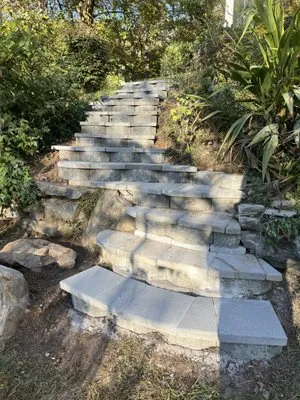
Pitts Top Lawn Care is a trusted, locally-owned lawn service provider based in Weaverville, NC, proudly serving the greater Asheville area. With over 20 years of dedicated experience, we offer reliabl...
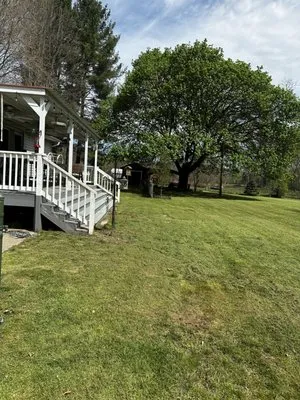
JD Landscaping provides dependable landscaping services to homeowners and businesses throughout Canton, NC. We understand the unique challenges of maintaining beautiful, healthy outdoor spaces in the ...
Tipton Ag & Land is your trusted local lawn care provider in Columbus, NC. We specialize in professional lawn maintenance designed to address common local landscaping challenges. Many properties in ou...

C G I Landscaping is a trusted local landscaping and masonry contractor serving Candler, NC. We specialize in comprehensive outdoor solutions including landscape construction, hardscaping, lawn care, ...
L & M Landscape and Brush Removal is your local Clyde, NC solution for a cleaner, healthier property. We specialize in comprehensive junk removal, responsible disposal of everything from appliances an...
Heaven Scent Maid to Clean is your dedicated Old Fort neighbor for pristine property care. While our roots are in cleaning, we understand the unique challenges local homeowners face, from managing sto...
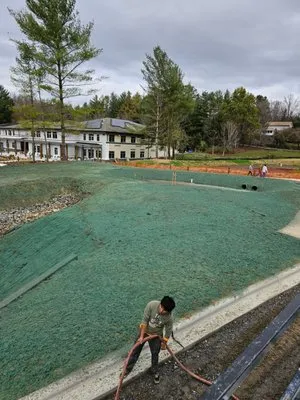
Star Ridge Grading and Hydroseeding
Star Ridge Grading and Hydroseeding is a trusted, locally-owned business in Canton, NC, specializing in solving foundational yard and drainage problems. We understand the challenges Western North Caro...
Estimated Landscaping Service Costs in Marion, NC
Question Answers
Is Appalachian Fieldstone a better choice than wood for a patio in Marion?
For longevity and fire resilience, Appalachian Fieldstone is superior. It is a non-combustible material that lasts decades with minimal maintenance, unlike wood which decays. In Marion's Moderate (WUI Zone 2) fire risk area, using stone for patios or pathways contributes to defensible space by creating a firebreak. Its natural durability also avoids the replacement cycle and chemical treatments associated with wood.
Water pools in our yard after every rain. What is the solution for Marion's clay soil?
Moderate runoff on clay-heavy Ultisols is common. The primary solution is improving permeability through subsurface drainage like French drains or dry creek beds. For hardscapes, using permeable Appalachian Fieldstone set in a gravel base allows water to infiltrate rather than run off. These designs often meet McDowell County Planning & Development's stormwater management standards by mitigating erosion.
A storm caused damage and our HOA needs compliance quickly. What is your emergency response time?
For urgent storm cleanup or HOA compliance, our standard dispatch from the Marion Depot area uses US-70 for direct access. During peak hours, we plan for a 20-30 minute arrival window. Our electric maintenance fleet operates quietly within the 7:00 AM to 9:00 PM noise ordinance, allowing for immediate, compliant work to secure the property and remove debris.
How can we keep our Tall Fescue healthy during Marion's Stage 1 water restrictions?
Under voluntary conservation, an ET-based, Wi-Fi-connected irrigation system is essential. It adjusts watering schedules in real-time using local weather data, applying water only when and where the turfgrass needs it. This technology prevents overwatering, directly conserves municipal water, and maintains Tall Fescue health by delivering deep, infrequent soakings that encourage drought-tolerant root systems.
Our lawn seems tired and compacted. Is this normal for older homes in Downtown Marion?
Properties in Downtown Marion, built around the 1970s average, have soils over 50 years old. This age means the native acidic Ultisols have experienced decades of foot traffic and rainfall, leading to severe compaction and low organic matter. These conditions restrict root growth and water percolation. Core aeration followed by amending with compost is necessary to rebuild soil structure and biology.
We have an invasive vine taking over. How do we treat it safely here?
Invasive species like Japanese Honeysuckle or Kudzu must be treated carefully to avoid harming natives. Manual removal is best for small patches, while targeted, systemic herbicide may be necessary for large infestations. All treatment must comply with North Carolina's Stormwater Nutrient Management Rules, which prohibit certain fertilizer and pesticide applications near waterways and during specific blackout dates to protect watersheds.
We want to regrade our backyard. What permits and contractor credentials are required?
Regrading a 0.25-acre lot in McDowell County typically requires an Erosion Control Permit from the Planning & Development office. The contractor must hold a license from the North Carolina Landscape Contractors' Licensing Board. This is critical because improper grading can cause off-site drainage issues and violate state stormwater laws. Always verify the contractor's license covers earth-moving and grading work.
We want to reduce mowing and gas equipment noise. What are our options?
Transitioning high-maintenance turf to a landscape of Eastern Redbud, Mountain Laurel, and Switchgrass significantly reduces mowing frequency. This xeriscape approach conserves water and creates habitat. As municipalities phase out loud gas-powered equipment, an electric fleet paired with native plantings provides a quiet, sustainable solution that aligns with evolving noise ordinances and biodiversity goals.
