Top Landscaping Services in Maiden, NC, 28092 | Compare & Call

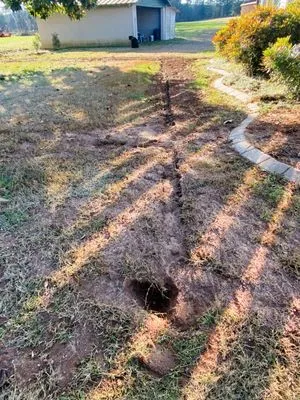
Southern Creations Landscaping in Maiden, NC, is your local partner for building and maintaining the outdoor space you envision. Founded on a commitment to trust and lasting relationships, we go beyon...
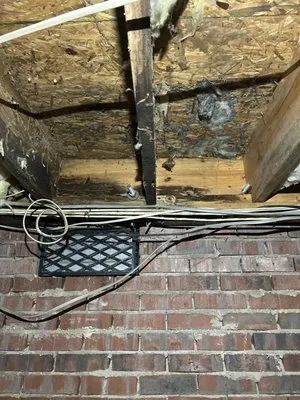
For over seven years, Service Junkie has been the trusted solution for homeowners in Maiden, NC, tackling the tough jobs so you don't have to. We combine reliable handyman skills with comprehensive ju...
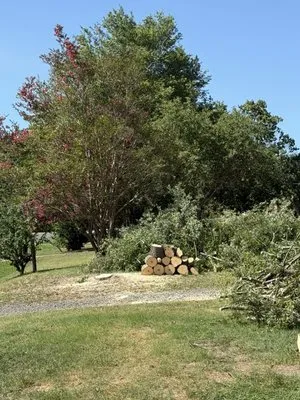
Down South Tree Care & Landscaping is a Maiden-based company dedicated to the health and beauty of your outdoor space. We specialize in comprehensive tree care and landscaping services, understanding ...

B & S Tree, Landscaping, & Lawncare is a trusted, full-service provider for Maiden homeowners. We specialize in creating and maintaining healthy, beautiful outdoor spaces tailored to our local climate...
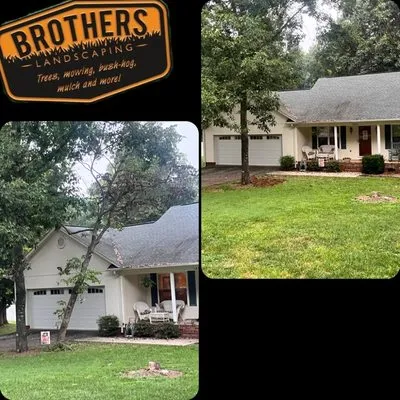
Brothers Landscaping & Property Management is a trusted local landscaping company that has been serving Maiden, NC, and the surrounding region since 2005. Founded on principles of reliability and dili...
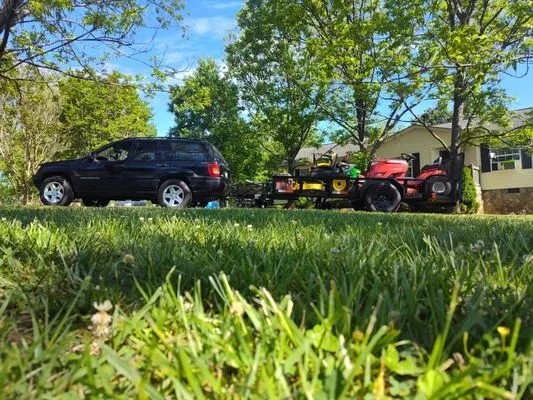
Affordable Lawn Care and Junk Removal
Affordable Lawn Care and Junk Removal is a trusted, locally-owned service provider in Maiden, NC, dedicated to helping homeowners and businesses manage their outdoor spaces and unwanted items. We spec...
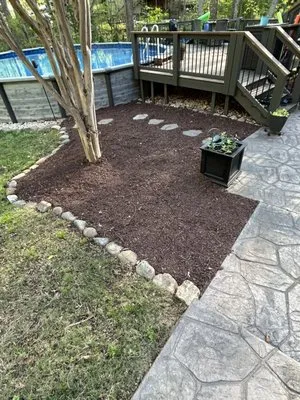
TS Landscaping is a full-service Maiden, NC landscaping company dedicated to solving the common local challenges homeowners face. We specialize in addressing weed infestations and poor lawn grading th...
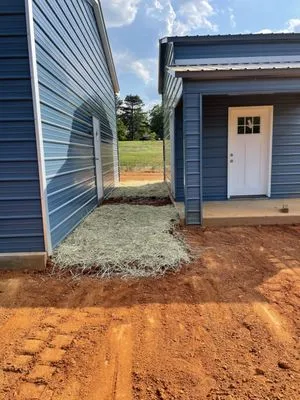
Talbert's Land Solutions is a trusted, full-service contractor in Maiden, NC, specializing in landscaping, excavation, and junk removal. We understand the common local challenges homeowners face, such...
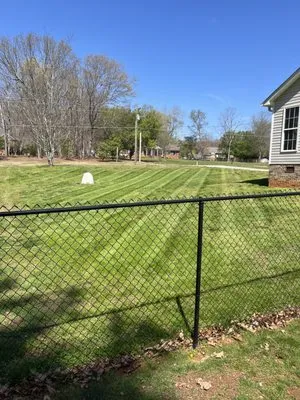
Yard Barbers Lawn Care is a Maiden-based landscaping service founded by owner Devin during the pandemic, recognizing the need for reliable outdoor maintenance. What started as a part-time venture has ...
Denver Grading and Land Clearing
Denver Grading and Land Clearing is your trusted local expert for Maiden, NC, specializing in comprehensive excavation, land clearing, and landscaping services. We tackle the common issues Maiden home...
Q&A
Why does my Maiden Downtown yard have such compacted soil that won't absorb water properly?
Maiden Downtown properties built around 1984 have 42-year-old soil systems on Cecil Sandy Loam Ultisols. Over decades, foot traffic and equipment have reduced permeability in this naturally acidic soil with high clay content. Core aeration every 2-3 years with organic amendments like composted pine bark addresses compaction while maintaining the optimal pH 5.5-6.2 range for local plants.
What's the best solution for drainage problems in my yard with high clay content soil?
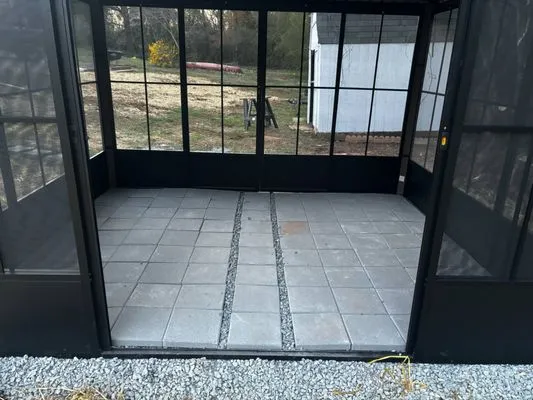
Moderate runoff in Cecil Sandy Loam requires French drains or dry creek beds with 12-18 inch gravel bases to improve percolation. Permeable concrete pavers or local granite set in sand joints meet Maiden Planning & Zoning Department runoff standards by allowing 8-12 inches per hour infiltration. Grade adjustments of 2% slope away from foundations combined with rain gardens planted with Switchgrass manage stormwater without overwhelming municipal systems.
Can I maintain healthy Tall Fescue turf while following Maiden's water conservation guidelines?
Wi-Fi ET-based weather sensing irrigation automatically adjusts watering schedules using real-time evapotranspiration data from local weather stations. This system delivers 0.75-1 inch weekly to Kentucky 31 or Turf-Type Tall Fescue during April-October growth periods while staying within voluntary conservation limits. Programming separate zones for sun-exposed versus shaded areas prevents overwatering and reduces total consumption by 25-40%.
Are concrete pavers or wood decking better for longevity in Maiden's climate?
Concrete pavers and local granite withstand freeze-thaw cycles in Zone 7b with 30+ year lifespans versus wood's 10-15 years with constant maintenance. These non-combustible materials contribute to Moderate Fire Wise ratings by creating defensible space in Wildland-Urban Interface zones. Properly installed with polymeric sand joints, paver systems resist weed penetration while providing stable surfaces that won't warp or rot in humid conditions.
How do I control invasive species without violating fertilizer application rules?
Japanese stiltgrass and Chinese privet pose the highest invasion risks in USDA Zone 7b and require manual removal before seed set in late summer. Spot treatments with glyphosate alternatives during dry periods avoid NPDES compliance issues with stormwater runoff. Timing applications outside blackout dates prevents fertilizer ordinance violations while mycorrhizae inoculants strengthen native plant competitiveness against invaders without chemical dependence.
How quickly can you respond to an emergency tree cleanup after a storm in Maiden?
Our electric fleet dispatches from Maiden Town Hall via US-321 within 20-30 minutes during peak storm response. This routing avoids residential congestion while complying with municipal quiet hours that restrict gas-powered equipment before 7 AM. We prioritize HOA compliance issues with same-day assessment and debris removal using low-noise electric chippers and loaders.
What permits and licenses are required for grading work on my 0.35-acre lot?
Grading projects disturbing over 1 acre require NPDES permits from Maiden Planning & Zoning Department, but 0.35-acre lots still need erosion control plans. Contractors must hold North Carolina Landscape Contractors' Licensing Board certification for earthmoving exceeding 100 cubic yards. Professional licensing ensures proper slope calculations that prevent drainage onto neighboring properties while meeting statewide stormwater management rules for sediment control.
Should I replace some lawn areas with native plants to reduce maintenance costs?
Transitioning high-maintenance turf to Eastern Redbud, Flowering Dogwood, and Purple Coneflower beds reduces mowing frequency and aligns with 2026 electric equipment trends. Beautyberry and Switchgrass plantings require no gas-powered blowers during fall leaf season, staying ahead of noise ordinance restrictions. These deep-rooted natives improve soil structure while supporting local pollinators, creating self-sustaining landscapes that need 70% less water than conventional lawns.
