Top Landscaping Services in Laurinburg, NC, 28352 | Compare & Call
There are 165 landscaping companies server in Laurinburg NC
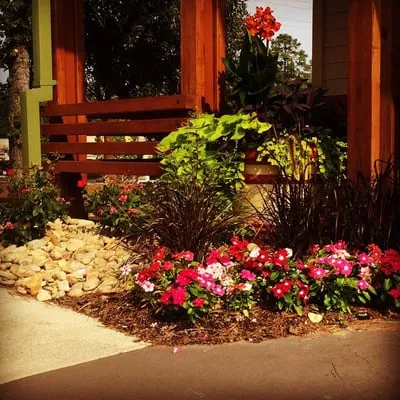
Heffner Landscaping is a family-owned landscaping business serving Vass, NC and the greater Moore County area since 1985. Founded by Chuck Heffner and now operated by his sons Forth and Colby, this se...
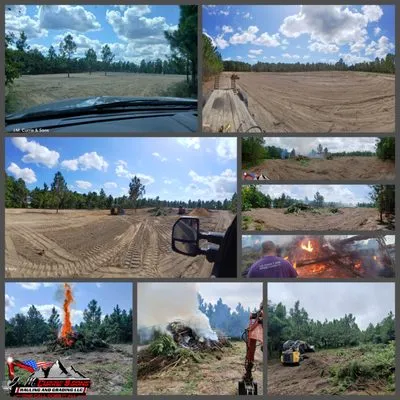
J.M. Currie & Sons Hauling And Grading
J.M. Currie & Sons Hauling And Grading is a family-operated business serving Rockingham and the surrounding counties. We provide reliable earthmoving, regrading, and hauling services for residential a...
Crown 2 Leaf
Crown 2 Leaf Landscape Co. in Southern Pines, NC, is a family-owned business founded by Jermey Smith after 12 years of hands-on experience in the landscape industry. We specialize in landscape and har...
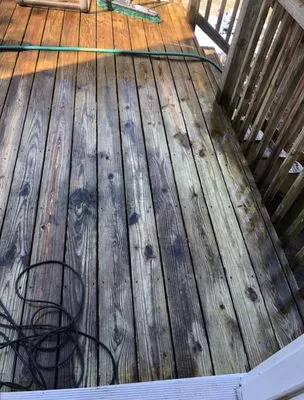
Embark Property Solutions is a family-owned, local business in Harrells, NC, specializing in comprehensive property care for both commercial and residential clients. With years of experience serving t...
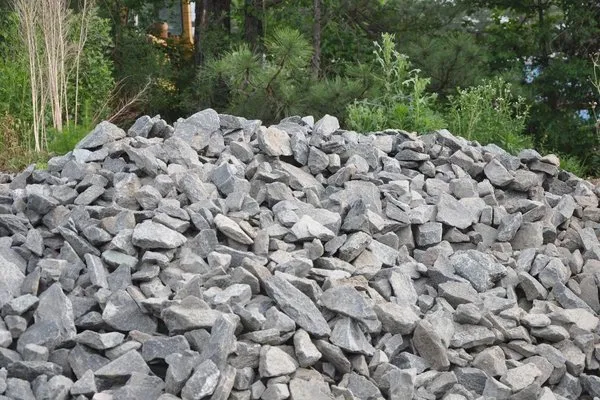
TQC Landscaping And Construction LLC is a Lillington-based landscaping and tree service company dedicated to enhancing outdoor spaces throughout Harnett County. We specialize in comprehensive landscap...
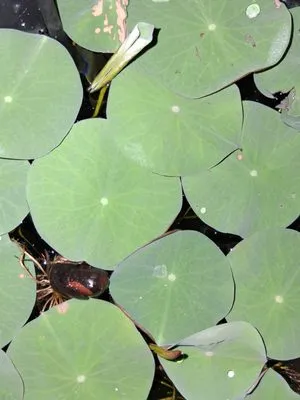
My Plant Life is a Red Springs-based gardening and lawn care service with a deep local understanding. We operate from our own plant farm, specializing in growing unique specimens like Giant Elephant E...

Industrial Vac in Fayetteville, NC is a commercial exterior maintenance service provider that began with a single sweeper truck and has grown into a fleet of 17 vehicles serving businesses from Goldsb...

LonSa Lawn Services is a trusted local provider in Raeford, NC, specializing in comprehensive lawn care solutions. We understand the common challenges Raeford homeowners face, such as tree root lawn d...
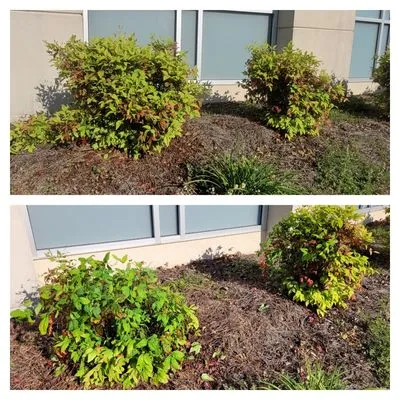
C & A Lawn Pros is a trusted, local lawn and garden service provider in Fayetteville, NC. We specialize in comprehensive lawn care, expert gardening, and professional tree services designed to tackle ...

Serving Red Springs and the surrounding communities, Joshua Woods provides expert landscaping and general contracting services to enhance and protect your property. We understand the common local chal...
Estimated Landscaping Service Costs in Laurinburg, NC
Q&A
Are clay brick pavers a better long-term choice than wood for a new patio?
Clay brick pavers offer superior longevity and minimal maintenance compared to wood, which decays and requires regular treatment. In our Zone 8a climate, fired clay is highly durable against freeze-thaw cycles. For properties in moderate Firewise zones, pavers also provide a non-combustible, defensible space material immediately adjacent to the home, an important consideration for wildfire interface compliance.
Is it possible to have a green lawn in Laurinburg while following water conservation rules?
Yes, even with Tall Fescue and Bermuda grass, efficient watering is achievable under current Stage 0 restrictions. Wi-Fi ET-based weather-sensing irrigation controllers are critical; they automatically adjust runtime based on real-time evapotranspiration data from local weather stations. This technology applies water only when the landscape needs it, preventing overwatering and keeping usage well within municipal guidelines while maintaining turf health.
Why does the soil in our Scotia Village yard seem so compacted and tired?
Lots in this neighborhood date to the original 1948 construction, giving the soil over 75 years of maturity. This prolonged history under conventional management has likely intensified the native Ultisol sandy loam's natural tendency to become dense and acidic, often falling below pH 6.0. Correcting this requires core aeration in fall or spring to relieve compaction, followed by incorporating compost to boost organic matter and buffer the low pH, which is essential for nutrient availability.
What are lower-maintenance alternatives to my high-input lawn?
Transitioning perimeter zones to a xeriscape with native plants like American Beautyberry, Eastern Redbud, and Switchgrass significantly reduces water, fertilizer, and mowing demands. This shift aligns with evolving municipal priorities, reducing reliance on gas-powered equipment ahead of potential tighter noise ordinance restrictions. A layered planting of these natives also supports local biodiversity far more effectively than a monoculture turfgrass.
Our yard holds water after heavy rains. What's a lasting solution?
Moderate runoff and a seasonal high water table are common challenges in Laurinburg's sandy loam soils, which have limited permeability at depth. A graded French drain system can intercept and redirect this subsurface flow. For new hardscapes, specifying permeable clay brick paver installations increases ground infiltration and can help projects meet the Laurinburg Planning & Zoning Department's updated stormwater runoff standards.
What permits and credentials are needed to regrade and landscape my 0.25-acre lot?
Significant grading that alters water flow typically requires a permit from the Laurinburg Planning & Zoning Department. For the installation work itself, North Carolina law mandates that any landscaping project valued at $30,000 or more requires a license from the North Carolina Landscape Contractors' Licensing Board. Even for smaller projects, hiring a licensed contractor ensures adherence to state standards for drainage, structural integrity, and plant establishment.
How quickly can a crew respond for an emergency tree cleanup after a storm?
For an emergency cleanup to meet HOA or safety compliance, a crew dispatched from the St. Andrews University area can typically reach Scotia Village within 20-30 minutes during peak response times. The primary route utilizes US-401, which provides reliable access. Operational windows are confined to the standard noise ordinance hours of 7:00 AM to 9:00 PM, so after-hours assessments are visual only unless it's a public safety hazard.
How should I deal with invasive vines like kudzu or English ivy without harming my garden?
Invasive species require a targeted, phased approach. For vines, cut the main stem and apply a precise glyphosate formulation to the fresh cut, avoiding overspray. Always check for local blackout dates related to the statewide phosphorus application restrictions near water bodies, though these typically target fertilizers, not herbicides. For large infestations, professional removal ensures the root system is fully addressed to prevent regrowth.
