Top Landscaping Services in Landis, NC, 28023 | Compare & Call
There are 202 landscaping companies server in Landis NC
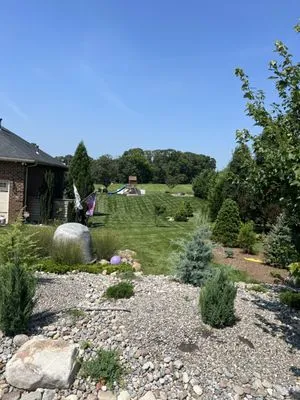
Bly's Tree & Lawn Care is a family-owned and operated business serving Mooresville, NC, and surrounding areas. Founded by an owner with deep roots in tree work—starting with logging in New England win...
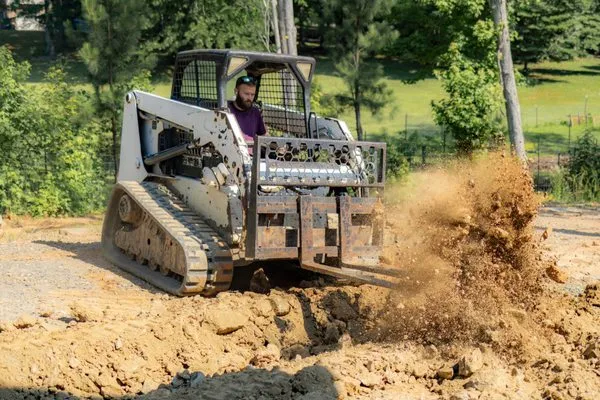
Proscape Management
Proscape Management is a Concord-based company specializing in hardscaping, landscape architecture, and lawn care services. We address common local landscaping challenges, such as standing water and l...

Blades of Glory Landscaping is your Concord, NC, partner for a healthy and vibrant outdoor space. We understand the common local challenges of uneven sprinkler coverage and overgrown shrubs, which can...
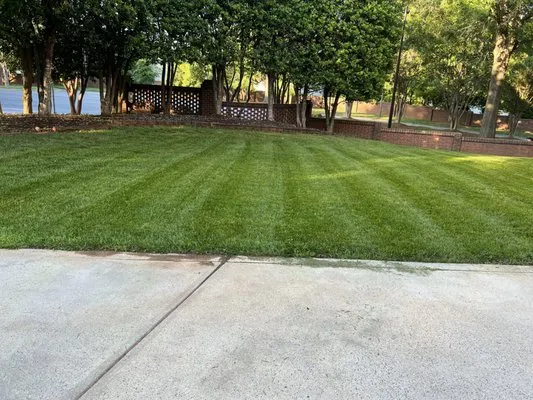
Chases Lawn Care in Concord, NC, is a dedicated local provider focused on delivering reliable and effective lawn care services. We understand the specific challenges that Concord residents face, from ...

Triple L Landscaping is a trusted Harrisburg, NC landscaping company providing comprehensive services to enhance and maintain outdoor spaces. We specialize in landscape construction, maintenance, gree...
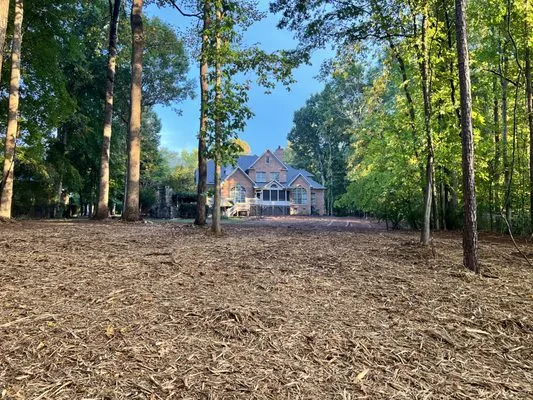
Boom Brush Control and Environmental Mulching is a veteran-owned small business serving Charlotte, NC, and the surrounding Western NC and Northern SC regions. Founded by Chris Roussell, the company dr...
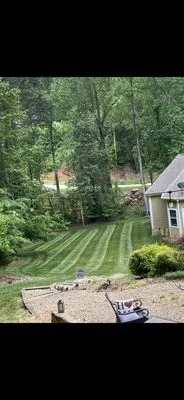
Evergreen Landscapes is a locally owned landscaping company serving Troutman, NC, and surrounding areas. We specialize in transforming outdoor spaces with comprehensive services including artificial t...
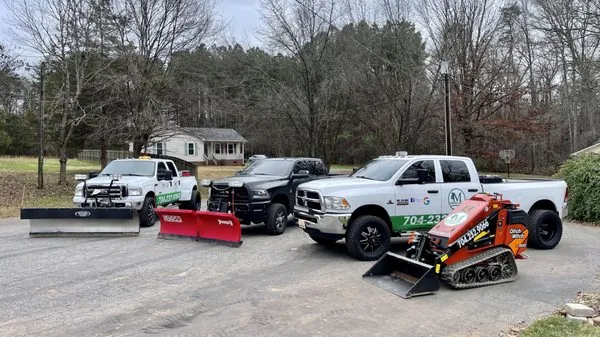
Menendez Lawn & Landscape is a fully insured professional landscaping company serving Salisbury, NC, with over 12 years of dedicated local service. We specialize in both residential and commercial pro...
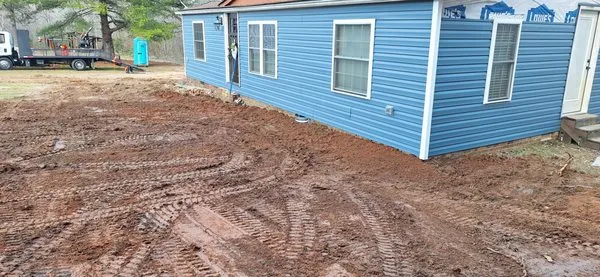
Beaver Boys Lawncare is a full-service landscaping and construction company serving Kannapolis, NC. We specialize in resolving common local property issues, such as poor lawn drainage that leads to so...
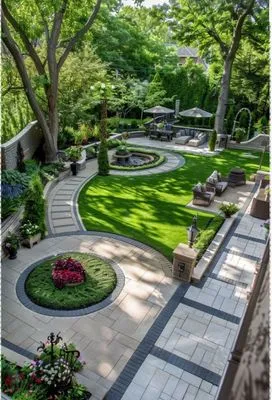
Serene Landscape Consulting is a Concord-based landscaping firm with deep roots in the community. For over 20 years, we've served homeowners and businesses across Cabarrus County, combining Bruce Dixo...
Estimated Landscaping Service Costs in Landis, NC
Frequently Asked Questions
Why does my lawn in the Landis Town Center area struggle with compaction and drainage?
Properties built around 1978, common in this neighborhood, have soils that have matured for nearly 50 years. The prevalent Cecil Sandy Clay Loam compacts under decades of foot traffic and standard mowing, reducing permeability. This compaction restricts root growth for Tall Fescue and impedes water percolation, leading to surface runoff. Core aeration and incorporating 2-3 inches of composted organic matter are essential to rebuild soil structure and improve its function.
How quickly can you respond to an emergency tree limb down or an HOA violation notice?
For urgent cleanup or compliance needs, our standard dispatch from the Landis Town Hall area uses I-85 for access. This routing allows a crew to reach most Landis Town Center addresses within the 20-30 minute window during peak conditions. We prioritize these calls with dedicated crews and equipment to secure the site and initiate debris removal, ensuring a swift resolution to safety hazards or covenant issues.
Are concrete pavers or crushed granite a better long-term choice than wood for patios and paths?
For longevity and reduced maintenance, inorganic materials like concrete pavers and crushed granite outperform wood, which decays and requires treatment. These materials provide permanent, stable surfaces that complement the soil's natural drainage when installed with a proper permeable base. They also support the Moderate Firewise USA Community Standards by creating defensible space with non-combustible materials, a prudent consideration for zone hardening.
What's the best solution for moderate runoff and pooling in my clay-heavy yard?
The moderate runoff hazard is a direct result of clay compaction in Cecil soil, which has low permeability. Integrating permeable hardscapes, like specific concrete paver systems or open-graded crushed granite, creates critical infiltration points. These materials meet Landis Planning and Zoning Department standards for stormwater management by reducing impervious surface area. For severe cases, a French drain system tied to a rain garden may be necessary to move water away from the foundation.
What invasive species should I watch for, and how do I manage them responsibly?
Common alerts for this area include Japanese stiltgrass and Chinese privet. Manual removal before seed set is most effective for small infestations. For targeted chemical treatment, use herbicides labeled for these species and apply during active growth phases, strictly adhering to the statewide Phosphorus restrictions for turf areas. Always avoid application before forecasted rain to prevent runoff into the local watershed, aligning with sound ecological practice.
Is it possible to maintain a healthy Tall Fescue lawn under Landis's water conservation guidelines?
Yes, using Wi-Fi ET-based weather-sensing irrigation is the definitive method. This technology schedules watering based on real-time evapotranspiration data, applying water only when the turf needs it. For Cecil soil with pH 5.5-6.2, this prevents both underwatering and the deep percolation waste common with fixed timers. This system keeps Tall Fescue viable while operating well within voluntary municipal conservation limits.
Why is proper licensing critical for grading or drainage work on my quarter-acre lot?
Altering the grade on a 0.25-acre parcel affects stormwater runoff patterns, which is regulated by the Landis Planning and Zoning Department. Contractors must hold a license from the North Carolina Landscape Contractors' Licensing Board, which ensures they carry insurance and understand state-mandated erosion control practices. Unlicensed work can lead to improper grading that floods neighboring properties, resulting in costly civil liabilities and permit violations.
What are lower-maintenance, eco-friendly alternatives to my high-input turf grass?
Transitioning perimeter zones to a xeriscape with native plants like Eastern Redbud, Switchgrass, Black-eyed Susan, and Butterfly Weed significantly reduces water, mowing, and chemical inputs. This biodiversity-focused planting is inherently climate-adaptive for Zone 8a. It also future-proofs your property against evolving noise ordinances targeting gas-powered blowers and mowers, as these plantings require minimal seasonal cleanup compared to turf.
