Top Landscaping Services in Knightdale, NC, 27545 | Compare & Call

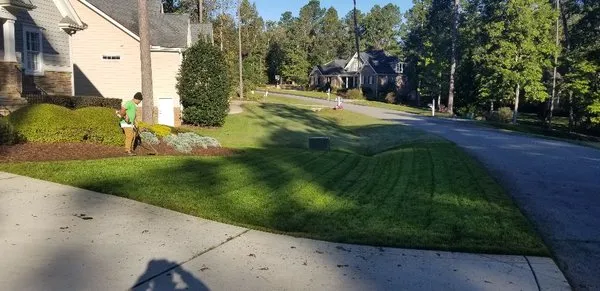
Parkway Landscaping is a Knightdale-based, full-service lawn and turf maintenance company founded in 2008 by owner Todd Williams. Starting as a residential lawn care provider, the company has grown to...
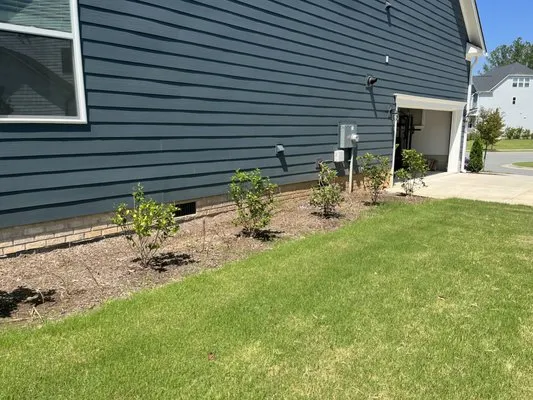
Earthworks Landscaping is your dedicated Knightdale partner for creating and maintaining beautiful, functional outdoor spaces. We understand the specific challenges local homeowners face, from poor la...
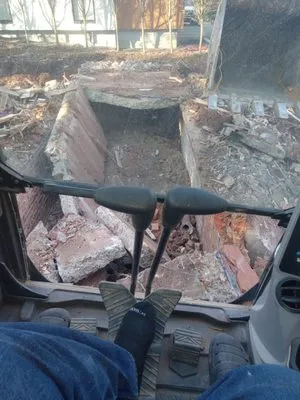
Dirt Dog Landscape Designs in Knightdale, NC, is a local contractor specializing in transforming challenging outdoor spaces into functional and attractive areas for homeowners. We handle a wide range ...
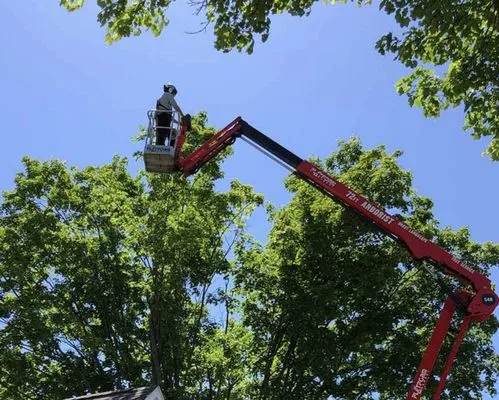
JayBird Tree Service is a locally owned and operated tree care company serving Knightdale and the surrounding areas. With nearly a decade of experience, our team specializes in comprehensive tree serv...
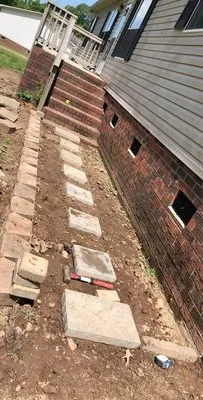
Gonzalez Garden and Landscape is a full-service landscaping company serving Knightdale, NC. We specialize in comprehensive property solutions, from initial design and construction to ongoing maintenan...
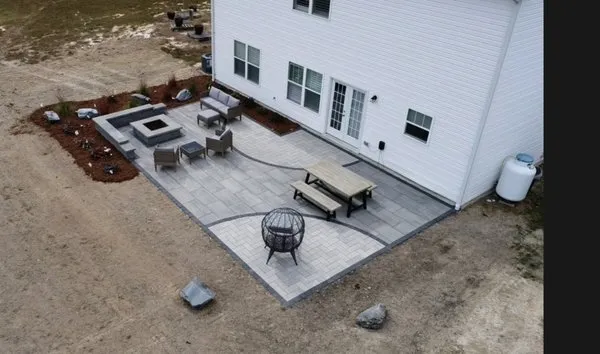
Haul and Install Landscaping
At Haul and Install Landscaping, we believe your outdoor space is the foundation for your family's story. Based in Knightdale, we are a full-service landscape partner dedicated to transforming and mai...
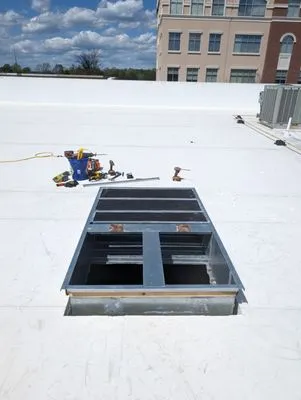
Celtic Contracting Consultants is a licensed and fully insured contractor serving Knightdale, NC, and the surrounding Triangle area. We specialize in providing reliable electrical and landscaping solu...
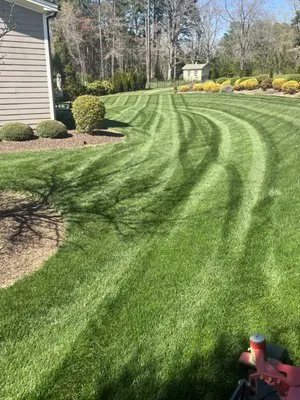
Morning Irrigation and Landscaping is a Knightdale-based company founded by Pedro, who brings over 15 years of dedicated experience to every project. Starting in 2010, the business has grown from serv...

Next Level Lawn Care is a dedicated lawn service provider in Knightdale, NC, focused on creating and maintaining healthy, vibrant landscapes. We specialize in comprehensive lawn care services designed...
Pacheco Lawn Maintenance is a Knightdale-based landscaping company dedicated to solving common local yard challenges. Many homes in the area struggle with poor drainage that leads to soggy patches and...
Q&A
My yard holds water after rain. What's the best long-term fix?
Seasonal saturation is a direct result of Knightdale's high-clay Ultisols, which have very slow percolation. Installing French drains or dry creek beds addresses symptoms, but integrating permeable concrete pavers for patios or walkways provides a systemic solution. This hardscape choice increases ground infiltration, helps manage runoff to meet Town of Knightdale Planning Department standards, and mitigates pooling by creating dedicated paths for water movement.
What invasive species should I watch for, and how are they treated?
Common invasive alerts for our area include Japanese stiltgrass and Chinese privet. Effective treatment involves manual removal for small infestations or targeted, professional-grade herbicide applications during specific growth stages. All treatment plans must adhere to the NCDA&CS Nutrient Management Guidelines, which dictate proper chemical selection, rates, and timing to protect local waterways and avoid application blackout dates.
How fast can you respond to an emergency like a storm-damaged tree?
For urgent HOA compliance or storm cleanup, our dispatch from the Knightdale Community Park area uses I-540 for direct access to Knightdale Station. We maintain an electric fleet exempt from early morning noise restrictions, allowing for a rapid 20-30 minute peak response. This routing ensures we can secure hazards and begin debris management within the critical first hour after contact.
Are permeable pavers a better choice than wood for a new patio?
For longevity and performance in Knightdale's climate, permeable concrete pavers are superior to wood. They resist rot, insect damage, and the swelling caused by our humid summers and wet springs. Their permeability aids drainage, and their non-combustible nature contributes to defensible space, a consideration in Knightdale's Moderate Wildland-Urban Interface fire rating. This results in a durable, low-maintenance surface that integrates function with environmental responsibility.
How do I keep my lawn green during voluntary water restrictions?
Stage 1 voluntary conservation in Knightdale is best managed with Wi-Fi ET-based irrigation. This technology automatically adjusts watering schedules using real-time evapotranspiration data, applying water only when your Tall Fescue or TifTuf Bermuda grass truly needs it. This precise approach eliminates wasteful runoff, keeps your turf resilient, and ensures you remain well within municipal guidelines, often reducing total water use by 20-30 percent.
What are lower-maintenance alternatives to my traditional lawn?
Transitioning to a climate-adaptive landscape with native plants like Little Bluestem, Eastern Redbud, and American Beautyberry significantly reduces water, fertilizer, and maintenance inputs. This xeriscaping approach creates a biodiverse habitat that thrives in Zone 8a and builds soil health. It also future-proofs your property against evolving noise ordinances by minimizing the need for gas-powered blowers and mowers.
Why does grading or drainage work require a licensed contractor?
Significant grading or drainage alteration on a 0.22-acre lot affects water runoff patterns for your entire property and potentially your neighbors'. The Town of Knightdale Planning Department requires permits for such work to ensure it complies with erosion control and stormwater regulations. Only a contractor licensed by the North Carolina Landscape Contractors' Licensing Board carries the mandated insurance and has passed examinations on state laws and best practices, protecting you from liability and substandard work.
Why is my yard so compacted and acidic?
Properties in Knightdale Station, developed around 2005, sit on naturally acidic Ultisols. Twenty-one years of standard construction compaction and limited organic matter input have lowered soil permeability, creating a dense, poorly draining layer. This common profile in neighborhoods of this age requires core aeration to relieve compaction and amendments like lime to gently raise the pH from its typical 5.5-6.2 range, fostering healthier root systems.
