Top Landscaping Services in Hope Mills, NC, 28304 | Compare & Call
There are 216 landscaping companies server in Hope Mills NC
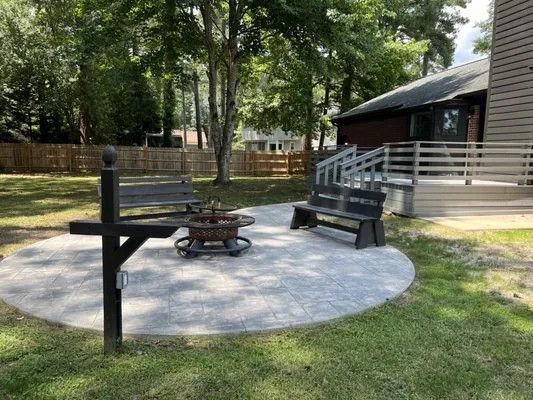
Fort Liberty Lawn is a veteran-owned lawn care service in Fayetteville, NC, founded by Jason, a former U.S. Army veteran with the 82nd Airborne Division at Fort Bragg. After years of service and contr...
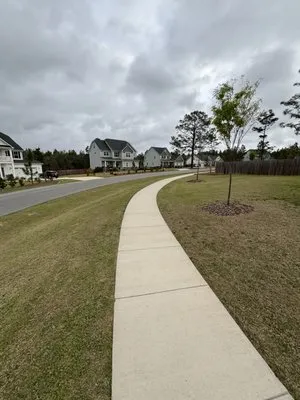
LuxeHaven Landscape is a Red Springs-based landscaping company founded by Josue Luciano, who brings years of hands-on experience to every project. Josue's journey began at age 16 working alongside his...

Extreme Green
Extreme Green, LLC is a full-service landscaping and design company serving Fayetteville, NC. Founded in 2009, owner Tony brings over 22 years of industry experience and formal education from North Ca...
Chris's Landscaping and More is a trusted local landscaping business serving Lumber Bridge, NC, and surrounding areas. We specialize in landscape maintenance and lawn care, helping homeowners tackle c...
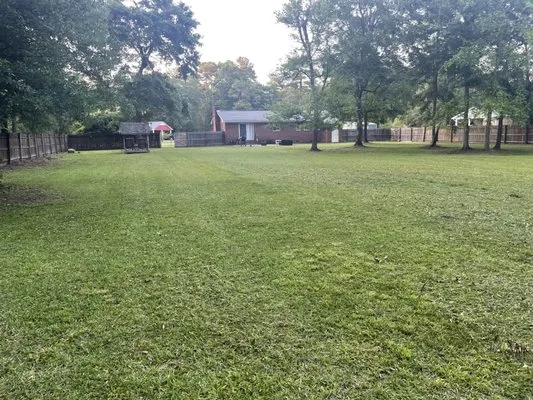
Scottie's Mowing Service is a locally owned and operated landscaping business in Lumberton, NC, founded by owner Scottie. What began as a side hustle two years ago while Scottie was working in constru...
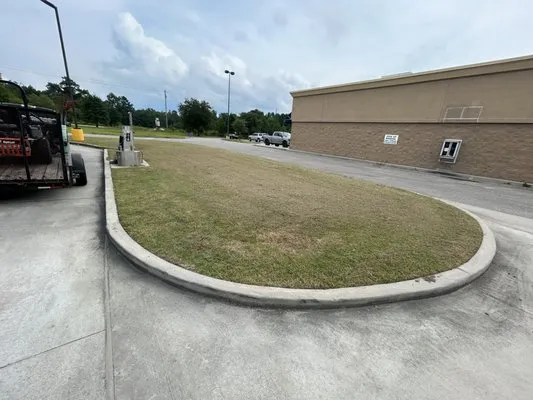
Griffin's Landscaping in Chadbourn, NC, is built on a foundation of honesty, hard work, and genuine care for the community. Owner Griffin started small, driven by a commitment to provide for his famil...

Triad Landscaping is a trusted Fayetteville, NC, landscaping company dedicated to helping local homeowners achieve and maintain a beautiful, healthy yard. We understand the common challenges of patchy...
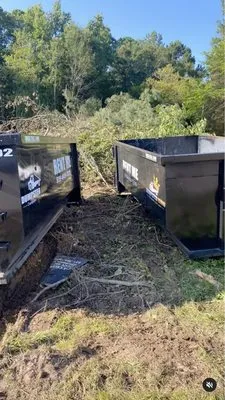
Green Life in Fayetteville, NC is a locally owned and operated service provider specializing in lawn care, painting, and pressure washing. With years of hands-on experience, we bring a strong passion ...
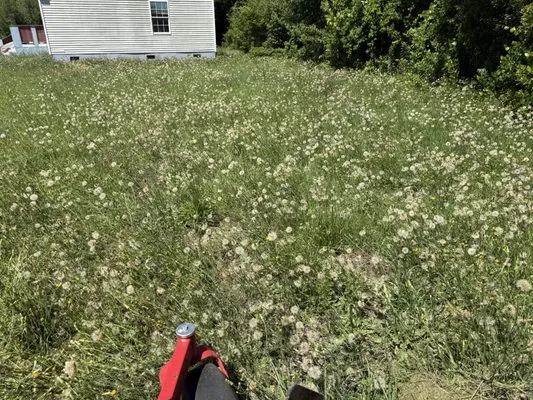
Lawn Wolf is your Parkton, NC neighbor for comprehensive outdoor solutions, specializing in lawn care, tree services, and junk removal. We understand the specific challenges of our area, including tre...

For nearly 20 years, Buddy's Lawn Service has been the trusted local choice for residential lawn care in Coats. As a growing, family-owned business, we take genuine pride in providing high-quality, re...
Estimated Landscaping Service Costs in Hope Mills, NC
Questions and Answers
Why does my 1990s-era Hope Mills yard struggle with compacted soil and poor drainage?
Hope Mills Historic District properties built around 1994 have 32-year-old soil systems. Ultisols with sandy loam composition naturally compact over decades, reducing permeability and creating drainage issues. Core aeration every 2-3 years introduces oxygen channels while incorporating organic amendments like composted pine bark improves soil structure. This addresses the pH 5.5-6.0 range common in established neighborhoods where decades of foot traffic and maintenance equipment have degraded original soil health.
What low-maintenance alternatives exist for traditional turf grass in Hope Mills?
Transitioning to American Beautyberry, Eastern Redbud, Switchgrass, and Swamp Milkweed reduces maintenance frequency while supporting 2026 biodiversity standards. These natives require minimal irrigation once established and eliminate weekly mowing cycles. The shift anticipates stricter noise ordinances on gas-powered equipment, as electric maintenance fleets operate quietly within restricted hours. This approach creates habitat corridors while reducing carbon emissions from traditional lawn care practices common in 0.35-acre lots.
Are concrete pavers better than wood for Hope Mills patios and walkways?
Concrete pavers offer 25+ year longevity versus wood's 8-12 year lifespan in Zone 8a conditions. Their non-combustible nature supports Moderate Firewise USA Community ratings by creating defensible space around structures. Crushed granite complements pavers with excellent permeability, reducing runoff that contributes to seasonal flooding. These materials withstand freeze-thaw cycles better than wood while requiring minimal maintenance compared to decaying organic options common in the historic district.
How can I maintain healthy turf while following Hope Mills water conservation guidelines?
Stage 1 voluntary conservation measures align with smart Wi-Fi ET-based controllers that adjust irrigation to actual evapotranspiration rates. These systems preserve Tall Fescue or Centipedegrass by delivering 0.75-1.0 inches weekly during peak season while reducing municipal water use by 15-25%. Programming accounts for sandy loam percolation rates and local microclimates, ensuring deep root hydration without violating water restrictions. This approach maintains turf health while supporting community conservation efforts.
What solutions address seasonal flooding in Hope Mills yards with high water tables?
Seasonal localized flooding in Ultisols requires graded swales directing water away from structures. Permeable concrete pavers and crushed granite hardscapes increase surface infiltration by 40-60% compared to solid concrete. These materials meet Hope Mills Planning and Development Department runoff standards while accommodating the area's high water table. French drains with clean stone aggregate provide subsurface relief, creating a comprehensive system that manages both surface and groundwater movement effectively.
What permits and licenses are required for grading work on my Hope Mills property?
Grading on 0.35-acre lots requires permits from Hope Mills Planning and Development Department, particularly when altering drainage patterns or moving more than 50 cubic yards of material. Contractors must hold North Carolina Landscape Contractors' Licensing Board certification for earthwork exceeding $30,000 in value. This ensures compliance with state erosion control standards and proper management of the area's sandy loam Ultisols. Unlicensed grading risks fines and exacerbates existing high water table issues in the historic district.
How quickly can you respond to an emergency tree cleanup after a storm in Hope Mills?
Emergency response from Hope Mills Lake via I-95 typically requires 20-30 minutes for priority dispatch. Our electric maintenance fleet operates within noise ordinance restrictions (9:00 PM to 7:00 AM) while providing immediate HOA compliance services. The route optimization accounts for seasonal flooding patterns near the historic district, ensuring reliable access even during wet conditions that commonly affect properties with high water tables in this area.
How should I manage invasive species without violating fertilizer regulations?
Japanese stiltgrass and Chinese privet pose significant threats in Hope Mills. Mechanical removal during dry periods prevents seed spread, while targeted glyphosate applications follow State Stormwater Management BMPs regarding phosphorus limitations near water bodies. Treatment timing avoids blackout dates near Hope Mills Lake, using soil temperature cues rather than calendar dates. This integrated approach manages invasives without compromising water quality or violating local ordinances protecting aquatic ecosystems.
