Top Landscaping Services in Hillsborough, NC, 27278 | Compare & Call
There are 186 landscaping companies server in Hillsborough NC
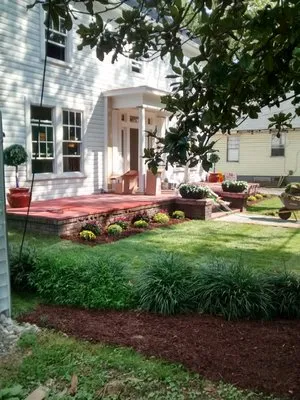
Inspired by a shared dream to build a business on real-world experience, Brighter Preservation Group was founded in Cedar Grove, NC, in 2016. From the start, the focus has been on applying practical k...
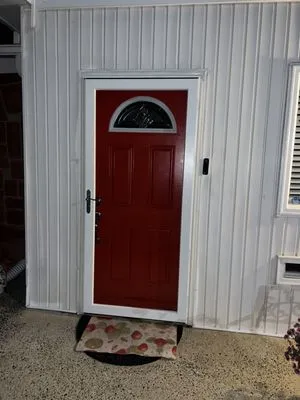
All Season Home Services is your locally owned and operated partner in Oxford, NC, dedicated to ensuring your home remains comfortable, safe, and well-maintained throughout the year. Our team prides i...

Since 1987, Sosa Landscaping has been a trusted name serving the Carolinas, starting with commercial projects and now extending that same dedication to residential clients in Roxboro. We understand th...
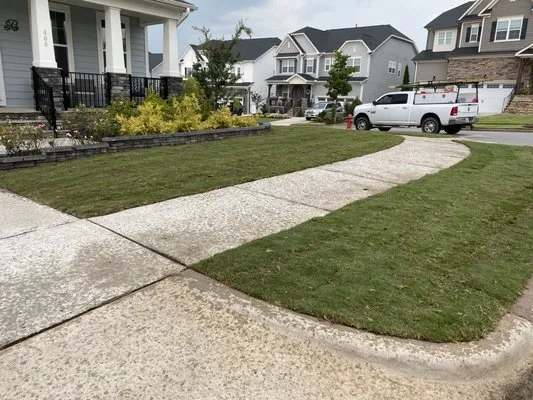
SP Concrete, Grading and Landscaping is a locally-owned construction business based in Sanford, NC, specializing in concrete installations, grading services, and landscaping design. With over 10 years...
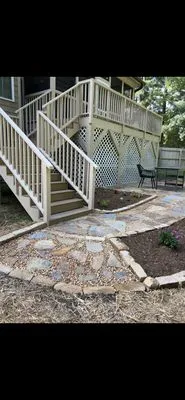
Millennium Landscaping & Home Improvements is a trusted, full-service contractor serving Stem, NC, and the surrounding areas. We specialize in painting, landscaping, and siding, offering comprehensive...
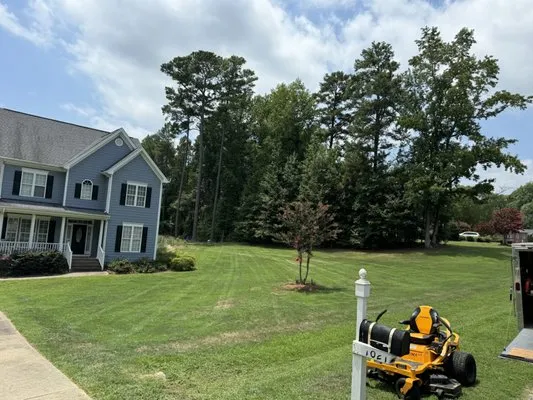
Trimmer's Landscaping in Durham is a family-owned business where a genuine passion for the outdoors meets dedicated craftsmanship. We believe great landscaping starts with truly listening to our clien...
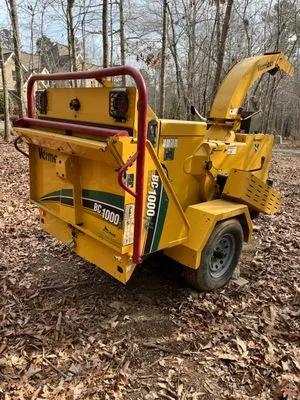
Brandon's Wood Chipping is a locally owned and operated service in Hillsborough, NC, dedicated to making property maintenance accessible and affordable. With over five years of hands-on experience, Br...
Blade To Blade Lawn Services is a locally owned and operated lawn care business serving Efland, NC, and surrounding areas. We specialize in comprehensive lawn maintenance, including mowing, trimming, ...
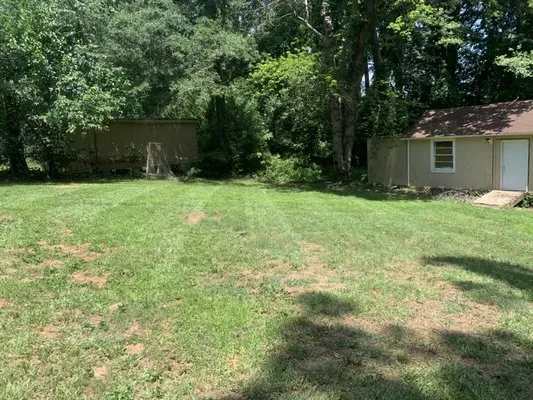
A B Landscaping is your trusted, local landscaping expert serving Efland, NC, and the surrounding areas. We specialize in diagnosing and solving the common outdoor problems homeowners face, such as ir...
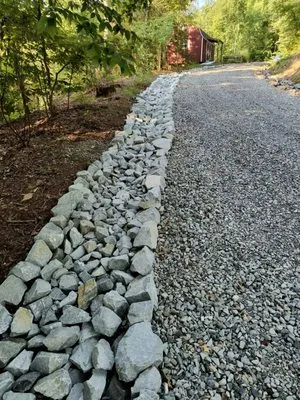
EMC Landscaping Services is your trusted local partner for transforming properties in Hurdle Mills, NC. We specialize in comprehensive solutions that address common local challenges like tree root dam...
Estimated Landscaping Service Costs in Hillsborough, NC
Common Questions
We've spotted invasive Japanese stiltgrass. How do we treat it without violating fertilizer rules?
Japanese stiltgrass requires pre-emergent application in early March before seed set, followed by manual removal of established plants. All treatments avoid North Carolina's phosphorus restrictions for turf applications, using iron-based alternatives instead. We schedule post-emergent applications outside local fertilizer blackout dates, typically late fall after soil temperatures drop below 70°F. Proper disposal prevents reseeding in adjacent areas.
What permits and licenses are needed for grading our 0.35-acre property?
Grading projects exceeding 100 cubic yards of earth movement require Hillsborough Planning & Inspections Department permits with engineered drainage plans. The North Carolina Landscape Contractors' Licensing Board mandates specific licensing for projects affecting water flow patterns on lots this size. Unlicensed grading can violate state sediment control laws and trigger mandatory restoration orders at the property owner's expense.
We want to reduce maintenance while supporting pollinators. What native plants thrive here?
Eastern Redbud, Purple Coneflower, Switchgrass, Swamp Milkweed, and Flowering Dogwood establish deep root systems in Cecil soils without supplemental irrigation once established. These natives support 2026 biodiversity standards while eliminating gas-powered blower use ahead of tightening noise ordinances. A layered planting approach with these species creates year-round interest with only seasonal pruning requirements.
How can we maintain Tall Fescue turf during Hillsborough's Stage 1 water restrictions?
Wi-Fi ET-based weather sensing controllers optimize irrigation by calculating actual evapotranspiration rates. These systems automatically adjust schedules based on real-time weather data, reducing water use 20-30% while preserving turf health. During voluntary conservation periods, we program deeper, less frequent watering cycles that encourage deeper root growth in Cecil clay soils. This approach maintains Kentucky-31 or Turf-Type Tall Fescue within municipal water limits.
Water pools in our yard after heavy rains. What solutions work with Hillsborough's clay soil?
Cecil Sandy Clay Loam's high clay content causes surface ponding due to slow percolation rates. We install French drains with clean gravel and geotextile fabric to redirect subsurface water. Permeable clay brick pavers meet Hillsborough Planning & Inspections Department runoff standards by allowing 4-8 inches per hour infiltration. For severe cases, we grade swales with 2% minimum slope toward appropriate discharge points.
Our 1995-built home in the Historic District has struggling plants. Could the soil be the issue?
Hillsborough's Historic District lots typically feature Cecil Sandy Clay Loam soil with pH 5.5-6.2. After 31 years of development (2026 minus 1995 build date), soil compaction has likely reduced permeability and organic matter. This acidic clay-dominant profile requires annual core aeration and 2-3 inches of compost amendment to restore soil structure. Without intervention, root development becomes restricted, particularly for acid-sensitive species.
We need emergency storm cleanup to meet HOA compliance deadlines. What's your response protocol?
Our electric maintenance fleet departs from Ayr Mount, traveling via I-85 to reach Historic District properties within 20-30 minutes during peak conditions. This routing avoids downtown congestion while complying with noise ordinances restricting gas equipment before 7:00 AM. We prioritize safety assessments before debris removal, documenting all work for HOA submission.
Should we use permeable pavers or wood for our new patio in this fire-prone area?
Permeable clay brick pavers outperform wood in Hillsborough's Moderate Fire Wise zones due to non-combustible properties and 40+ year lifespan. They create defensible space required by Wildland-Urban Interface Guidelines while managing stormwater through 8-12% void spaces. Unlike wood, they resist moisture damage from Cecil soil's clay content and require no chemical treatments that could violate fertilizer ordinances.
