Top Landscaping Services in Highlands, NC, 28741 | Compare & Call

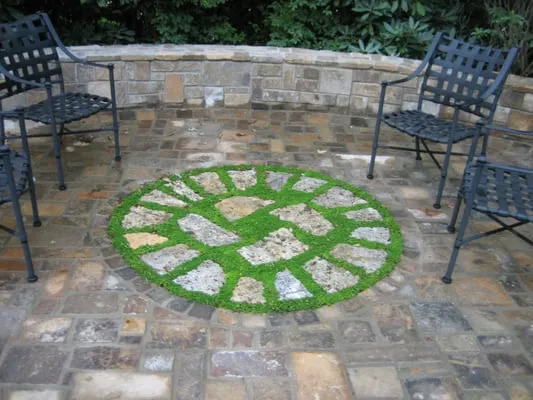
Zoellner Landscaping is a Highlands-based landscaping company serving homeowners in the area with comprehensive outdoor solutions. We specialize in addressing common local landscaping challenges like ...

Highlands Rock Yard is a Highlands-based landscaping supply and solution provider, dedicated to helping local homeowners tackle common yard challenges. Situated in the heart of the Blue Ridge Mountain...

J & J Lawn Service & Home Maintenance is a Highlands-based landscaping and property care company dedicated to keeping local homes and yards in pristine condition. We specialize in addressing common Hi...
Thompson Landscape is a Highlands-based landscaping, masonry, and tree service company serving homeowners in the local community. We specialize in comprehensive solutions for common local issues like ...
Reillys Handy Service is your trusted local handyman and lawn care expert in Highlands, NC. We understand that homes in our beautiful mountain community face unique challenges, from landscaping mainte...
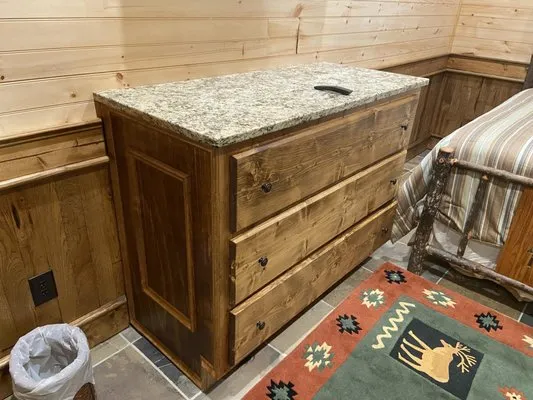
Owens Brother Construction is a trusted Highlands, NC, contractor specializing in carpentry, gutter services, and landscaping. We understand the specific challenges Highlands homeowners face, like pat...
Q&A
Do I need a permit to regrade my yard or build a large retaining wall on my 0.45-acre lot?
Yes, significant grading or structural retaining walls typically require a permit from the Highlands Planning & Development Department to ensure compliance with erosion control and stormwater management ordinances. For the work itself, North Carolina law mandates that any landscaping project valued at $30,000 or more, or any project involving grading or drainage on a lot of any size when performed as part of a larger contract, must be executed by a contractor licensed by the North Carolina Landscape Contractors' Licensing Board. This protects you by ensuring the contractor meets strict financial and technical competency standards.
Is native fieldstone a better choice than wood for a new patio or retaining wall?
For longevity and fire resilience in Highlands' High Wildland-Urban Interface Zone, native fieldstone and permeable pavers are superior to wood. Stone is non-combustible, contributing directly to defensible space requirements for Fire Wise compliance. It also withstands freeze-thaw cycles and moisture far better than timber, which decays in the humid climate. Using locally sourced fieldstone minimizes environmental impact and blends seamlessly with the mountain aesthetic, while its permeability supports better site drainage than solid concrete slabs.
My property has severe erosion on slopes and soggy spots in flat areas. What's the solution?
This is a classic symptom of the area's high-slope erosion and localized perched water tables within dense, acidic Ultisols. A dual-approach system is required: regrading slopes and installing French drains or dry creek beds to manage overland flow, while addressing saturated zones with subsurface solutions like infiltration trenches. Using native fieldstone and permeable pavers for any new hardscape meets Highlands Planning & Development Department runoff standards by allowing water to infiltrate on-site, reducing erosion and alleviating perched water issues.
What invasive species should I watch for, and how do I treat them responsibly?
Highlands faces threats from invasive plants like Japanese Knotweed, Oriental Bittersweet, and Multiflora Rose, which outcompete natives like Trillium. Treatment involves manual removal for small infestations or targeted, professional herbicide application for larger ones, always following label instructions. Crucially, any treatment must comply with the local fertilizer ordinance, which prohibits phosphorus applications and bans any treatment on frozen ground to prevent chemical runoff into the sensitive watershed.
Can you handle an emergency tree cleanup to meet an HOA compliance deadline this week?
Our electric fleet is dispatched for emergency cleanups with a typical 20-30 minute peak response time from the Highlands Biological Station. The route via US-64 into Downtown Highlands is optimized for storm-related debris. We prioritize safety and compliance, ensuring all work adheres to the local noise ordinance for residential zones. This allows for immediate mitigation of hazards while preparing the site for subsequent restoration work within your required timeline.
I want to reduce mowing and gas equipment noise. What are my options?
Transitioning high-maintenance turf areas to a layered planting of native species like Mountain Laurel, Flame Azalea, and Allegheny Serviceberry creates a resilient, low-input landscape. This xeriscaping approach significantly reduces the need for weekly mowing and aligns with evolving noise ordinances that restrict gas-powered equipment. These plants are adapted to the acidic soil and local climate, requiring minimal supplemental water once established, and they provide superior habitat value, supporting local biodiversity ahead of 2026 conservation targets.
How can I maintain a healthy Tall Fescue lawn with the current water conservation recommendations?
In Zone 7a with voluntary conservation measures, smart Wi-Fi ET-based irrigation controllers are essential. These systems automatically adjust watering schedules based on real-time evapotranspiration data, supplemented by rain and freeze sensors. This technology applies water only when and where the Kentucky-31 or turf-type Tall Fescue blend needs it, preventing overwatering. This method sustains the turf's health while respecting municipal water resources, often reducing usage by 20-30% compared to traditional timer-based systems.
Why does the soil in my Downtown Highlands yard seem so compact and acidic, even with regular care?
Highlands lots developed around the average 1978 build date have nearly 50 years of soil maturation. The native acidic Ultisols (pH 4.5-5.5) common here are prone to compaction over time, exacerbated by construction activity and foot traffic. This compaction reduces soil percolation, creating a dense layer that restricts root growth and water movement. Annual core aeration and incorporating composted organic matter are critical to improve soil structure, increase permeability, and gradually buffer the natural acidity for most introduced plants.
