Top Landscaping Services in Hazelwood, NC, 28738 | Compare & Call
There are 161 landscaping companies server in Hazelwood NC
Big E's Mowing is a trusted landscaping company serving Waynesville, NC, and the surrounding areas. We specialize in comprehensive landscape solutions, including construction, maintenance, greenscape ...
Haywood Lawncare is a trusted, locally-owned lawn service and contracting company serving Waynesville, NC. We specialize in professional lawn care and maintenance, focusing on solving the common lands...
Johnson Landscaping is a dedicated, locally-owned landscaping company serving Waynesville, NC, and the surrounding areas. We understand the common challenges local homeowners face, such as stubborn la...
JS Landscaping and More is a trusted, local landscaping partner serving Waynesville and the surrounding Haywood County area. We specialize in comprehensive landscape solutions, from design and install...
Guardian Property Managers in Waynesville, NC, is a trusted local provider specializing in comprehensive tree and lawn services to maintain and enhance residential and commercial properties. Serving t...
Kirkpatrick Landscaping is a trusted, family-owned landscaping company serving Waynesville, NC, and the surrounding areas. We specialize in comprehensive landscaping solutions, gutter services, and pr...
Land Worx
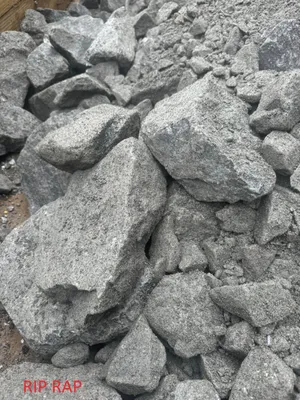
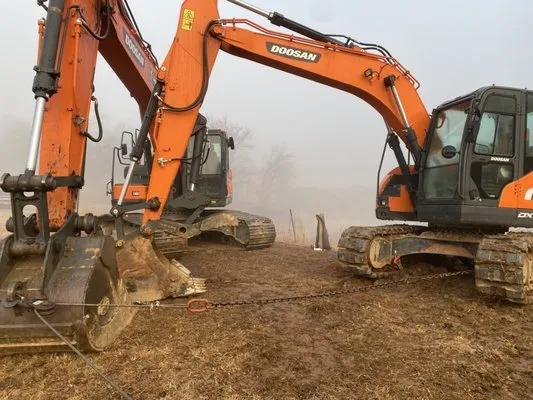
Land Worx is a Sylva, NC-based excavation, landscaping, and hauling company that has served the local community since 2016. We specialize in transforming challenging land into functional, beautiful sp...
Hernandez Landscaping is a trusted, locally-owned landscaping company serving Waynesville, NC, and the surrounding areas. We specialize in tackling common local landscaping challenges, particularly ov...
A+ Mowing Solutions in Waynesville, NC, is a locally owned and operated landscaping business that grew from a personal passion into a reliable service for the community. Founded as a hobby, it has evo...
Caldwell is a family-owned landscaping business serving Waynesville, NC, with over two decades of experience. Founded in 2003 by John, the company has grown through dedication and local partnerships, ...
Estimated Landscaping Service Costs in Hazelwood, NC
Frequently Asked Questions
I've spotted Japanese Stiltgrass and English Ivy. How do I treat these invasives responsibly?
Japanese Stiltgrass requires pre-emergent herbicide application in early spring, before it germinates. For established English Ivy, a careful cut-and-paint method with a systemic herbicide is most effective. All treatments must follow the statewide nutrient management law, which prohibits application on frozen ground or near waterways. Timing is critical to avoid ordinance blackout dates and prevent further spread into natural areas.
I'm planning significant regrading and new planting beds. What permits and contractor credentials are required?
Regrading that alters water flow on a 0.35-acre lot typically requires a land disturbance permit from the Waynesville Planning Department. Any contractor performing this work must hold a license from the North Carolina Landscape Contractors Licensing Board, which covers grading and drainage. This ensures they carry the required insurance and adhere to state-mandated practices for erosion control and nutrient management.
My lawn has compacted, acidic soil and struggles to hold nutrients. What's the root cause here in the Hazelwood Historic District?
Homes built in the 1960s, like many in this neighborhood, sit on Ultisols that are over 60 years mature. These acidic loams naturally compact over decades, reducing pore space and permeability. The typical pH of 5.5-6.2 locks up phosphorus and limits microbial activity. Core aeration paired with a calcitic lime application and compost topdressing is necessary to rebuild soil structure and correct nutrient availability.
Water runoff is eroding my sloped yard. What's a permanent solution that also meets local regulations?
High slope erosion is a common challenge in our mountainous terrain with acidic loam soils. A tiered series of dry creek beds built with permeable Appalachian Fieldstone can interrupt flow and encourage infiltration. This hardscape approach must be engineered to handle the site's specific shear stress and may require a grading permit from the Waynesville Planning Department to ensure it meets post-construction runoff standards.
Is Appalachian Fieldstone a better choice than wood for a new retaining wall and patio?
Appalachian Fieldstone offers superior longevity and permeability compared to wood, which decays and requires replacement. In a Moderate Fire Wise zone (WUI Zone 2), stone provides critical defensible space as a non-combustible material. A properly built dry-stack or mortared fieldstone wall also manages subsurface drainage more effectively than a wooden structure, which is vital for slope stability.
A major storm caused tree damage and blocked my driveway. What's your emergency response protocol for the Hazelwood area?
Our dispatch prioritizes calls based on safety hazards. For a location in the Hazelwood Historic District, our crew would stage near Hazelwood Elementary School and proceed via US-23/US-74. During peak traffic, we account for a 20-30 minute response window for initial assessment and debris removal. We deploy electric chippers and saws first to comply with municipal noise hours, ensuring immediate access is cleared.
How can I keep my Tall Fescue healthy during summer without violating water conservation guidelines?
Wi-Fi ET-based irrigation controllers are the standard for compliance. They automatically adjust runtime by downloading local evapotranspiration data and skipping cycles after rainfall. This system applies water only when the turfgrass root zone shows a deficit, which typically aligns with voluntary conservation limits. Deep, infrequent watering cycles encourage deeper roots, making the Tall Fescue more drought-resilient within the normal water restriction framework.
I want to reduce mowing and gas-powered maintenance. What are my options for this 0.35-acre lot?
Converting high-input turf areas to a layered planting of native species like Mountain Laurel, Rhododendron maximum, and Switchgrass drastically cuts maintenance. This xeriscape approach eliminates weekly mowing and reduces the need for leaf blowers, future-proofing your property against tightening noise ordinances for gas equipment. The deep root systems of these natives also stabilize slopes better than turfgrass.
