Top Landscaping Services in Greenville, NC, 27833 | Compare & Call

There are 184 landscaping companies server in Greenville NC
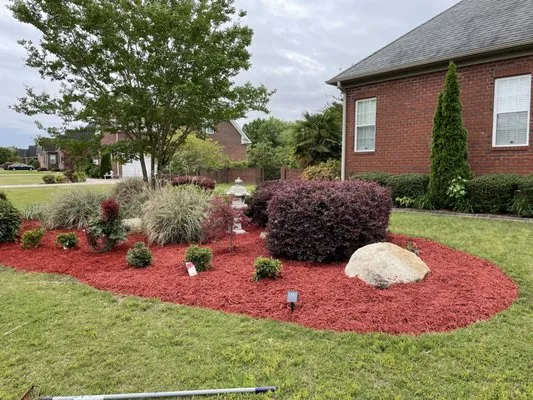
Henry Burger Landscaping and Lawn Services is a trusted local provider in Wilson, NC, specializing in comprehensive outdoor solutions. We address common Wilson landscaping challenges like patchy lawn ...
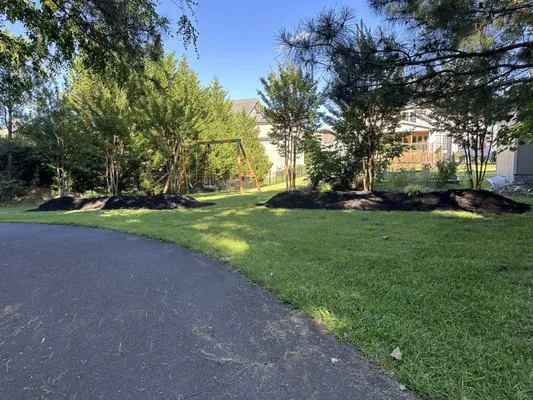
Ty's Scapes is a locally owned and operated landscaping business in Wake Forest, NC, founded in 2024 by Ty, a pre-med biology college student. With two years of hands-on experience gained working for ...
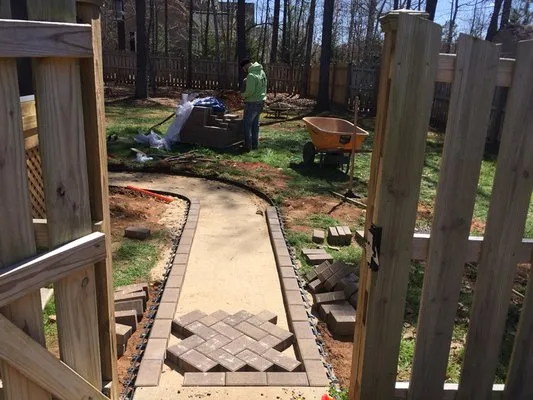
Tobby’s lawn care llc
Tobby's Lawn Care LLC is a locally owned and operated service provider dedicated to the Wake Forest community. Established in 2017 by Tobby, a hardworking professional who values collaboration, the co...
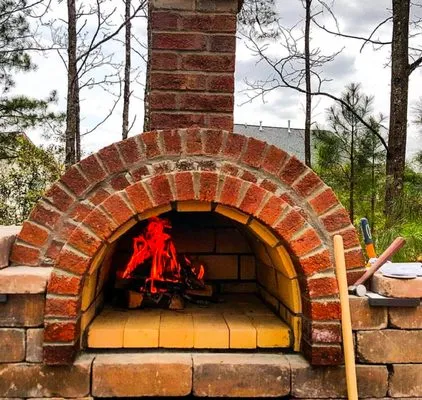
Performance Hardscapes
Performance Hardscapes in Pink Hill, NC, transforms outdoor spaces into functional and beautiful retreats, backed by 15 years of local expertise. We specialize in comprehensive landscaping services, f...
DavisBros Property Maintenance is a trusted Fayetteville-based company specializing in comprehensive landscaping, painting, and pressure washing services. We help local homeowners tackle common yard c...
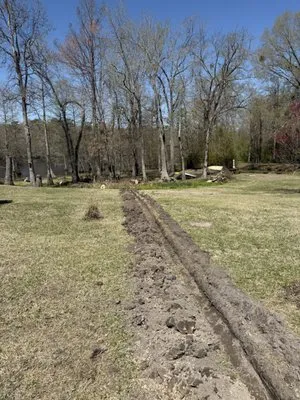
Perez Pro Landscaping is a trusted local landscaping company serving Greenville, NC homeowners with comprehensive outdoor solutions. We specialize in gutter services, tree care, and landscape maintena...
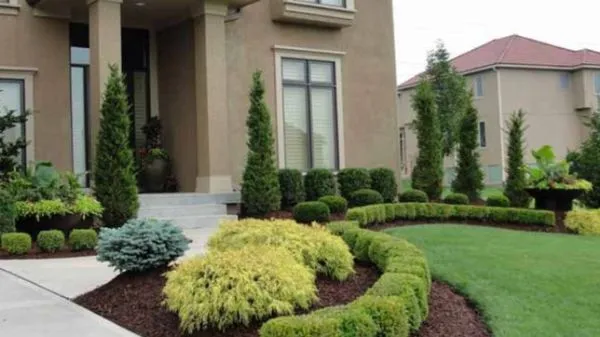
Elite Landscaping and Lawn Maintenance
Elite Landscaping and Lawn Maintenance is a Winterville-based company specializing in comprehensive landscape and lawn care solutions. As local experts in landscape architecture, lawn services, and ir...
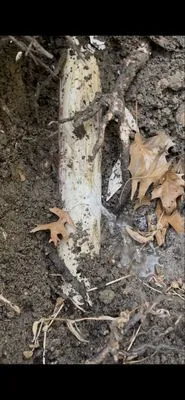
JCC Landscaping & Plumbing is a trusted local business serving Greenville, NC, with over 15 years of combined experience in landscaping and remodeling. Since establishing our dedicated business in 202...
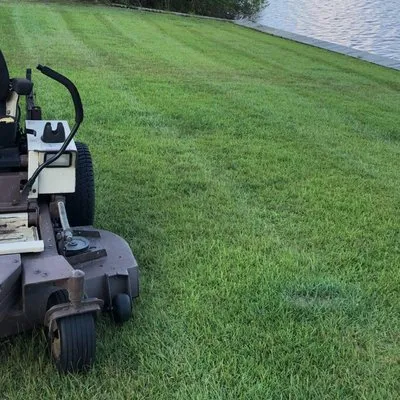
Ramirez & Sons Landscaping is a trusted, family-owned landscaping company serving the Washington, NC community. We specialize in addressing the region's common yard challenges, particularly persistent...
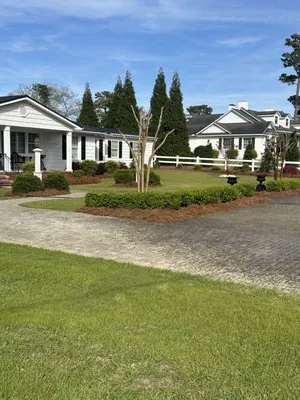
Bright Landscaping & Lawn Service is your local partner in Washington, NC, dedicated to transforming your property into a true home. We go beyond basic lawn care to provide a comprehensive service tha...
Estimated Landscaping Service Costs in Greenville, NC
Question Answers
What permits and contractor credentials are needed to regrade and landscape our 0.22-acre lot?
Regrading that alters water flow typically requires a permit from Greenville Planning & Development Services. For the installation of irrigation or any landscaping work valued over $30,000, state law mandates the contractor hold a license from the North Carolina Landscape Contractors Licensing Board. Verifying this license protects you and ensures the work meets technical standards for drainage and plant establishment on your property.
We've spotted what might be invasive weeds. How should we treat them without harming the lawn?
Proper identification is critical, as methods differ for invasive species like Japanese stiltgrass versus common weeds. Targeted, manual removal or careful spot-treatment with approved herbicides is effective. Always follow the North Carolina statewide phosphorus limitation for turf, which prohibits phosphorus-containing fertilizers unless a soil test confirms a deficiency, and adhere to any local application blackout dates.
A storm damaged several trees. How quickly can a crew respond for emergency cleanup to meet HOA guidelines?
For an emergency cleanup in Uptown Greenville, a dispatched crew can mobilize from the Town Common area and travel via US-264. Accounting for peak traffic conditions, you can expect a team on-site within the 20 to 30 minute window. This rapid response is structured to secure the site, remove hazards, and initiate debris management to maintain immediate HOA compliance and safety.
Water pools in our yard after every rain. What's the best solution for our property's poor drainage?
The high water table and poor infiltration of Greenville's sandy loam Ultisols require integrated drainage. A French drain system intercepts subsurface water, while regrading subtle swales directs surface runoff. For patios, specifying permeable clay brick pavers increases ground absorption and can help projects meet Greenville Planning & Development Services' stormwater runoff standards.
I want to reduce mowing and gas-powered noise. What are good native alternatives for part of my lawn?
Replacing turf with a native planting bed of Little Bluestem, American Beautyberry, and Swamp Milkweed drastically cuts maintenance and fuel use. This xeriscape approach supports local pollinators, conserves water, and builds biodiversity. Transitioning to electric maintenance equipment for remaining turf also future-proofs your property against tightening noise ordinances restricting gas-powered blowers and mowers.
We're considering a new patio. How does clay brick compare to composite wood for longevity and safety here?
Clay brick pavers offer superior longevity in Greenville's climate, with minimal weathering and no risk of rot or insect damage. For fire safety in this Moderate Fire Wise zone, brick provides a non-combustible, defensible space immediately adjacent to the home. While composite decking requires ongoing sealing and eventual replacement, a properly installed brick patio is a permanent, low-maintenance asset.
With Stage 1 water restrictions, how can I keep my Tall Fescue lawn healthy without wasting water?
Wi-Fi ET-based irrigation controllers are the precise tool for Stage 1 voluntary restrictions. These systems use local weather data to apply only the water lost to evapotranspiration, preventing overwatering common with manual schedules. This technology maintains turfgrass health while conserving significant municipal water, aligning with Greenville's conservation goals and keeping your lawn resilient during summer heat.
Our house was built in the mid-1990s. Why does our yard seem to have such poor, compacted soil?
Homes in Uptown Greenville built around the 1994 average often sit on construction-disturbed Ultisols. Over 30 years, repeated foot traffic and mowing have compacted the native sandy loam, severely reducing soil percolation and oxygen levels for roots. This history necessitates annual core aeration in fall and top-dressing with composted organic matter to rebuild structure and correct the typical acidic pH of 5.5-6.5.
