Top Landscaping Services in Graham, NC, 27253 | Compare & Call
There are 184 landscaping companies server in Graham NC
Cut It Down Lawn Care is a trusted, locally-owned landscaping service dedicated to keeping Burlington yards healthy and hassle-free. We understand the specific challenges homeowners face here, from ir...
T & T Landscaping is a trusted, locally-owned landscaping and outdoor storage company serving Mebane, NC, and the surrounding areas. We specialize in creating and maintaining beautiful, functional out...
Forever Edward Luscious Landscape is a Mebane-based landscaping company dedicated to solving common local yard challenges like poor lawn grading and moss growth. We understand that improper grading ca...
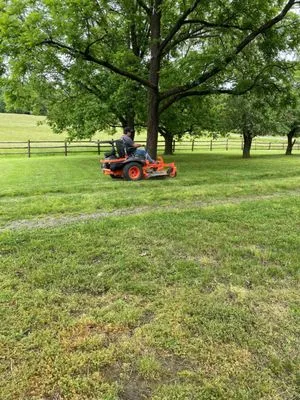
Cutting Edge in Siler City, NC, is a locally owned and operated business specializing in lawn care and trailer rental services. Our lawn care approach is tailored to the specific grass types common in...
Estimated Landscaping Service Costs in Graham, NC
Questions and Answers
What solutions prevent surface ponding in my Graham yard's clay-heavy soil?
Cecil Sandy Clay Loam's high clay content creates poor permeability, leading to frequent surface ponding. Installing French drains with gravel beds improves subsurface drainage away from foundations. Using permeable concrete pavers or flagstone for hardscapes allows water infiltration while meeting Graham Planning Department runoff standards. Grading adjustments that create 2% slope away from structures combined with soil amendments address both immediate and long-term drainage hazards.
Why does my Downtown Graham yard have such compacted soil that struggles to drain?
Graham properties built around 1982 have soil that has matured for approximately 44 years. Downtown Graham lots typically feature Cecil Sandy Clay Loam with pH 5.5-6.5, which develops significant compaction over decades of foot traffic and minimal soil management. This soil type's high clay content reduces permeability, creating surface ponding issues. Annual core aeration combined with organic amendments like composted pine bark can improve soil structure and water infiltration.
Are concrete pavers or flagstone better than wood for durable, fire-resistant hardscaping?
Concrete pavers and flagstone offer superior longevity to wood, with 25+ year lifespans versus wood's 10-15 years with maintenance. These materials maintain integrity in Graham's freeze-thaw cycles without rotting or insect damage. For Moderate Firewise USA Program participation areas, non-combustible hardscapes create defensible space by replacing flammable organic materials. Properly installed with permeable bases, they also manage runoff better than solid concrete while providing stable surfaces that resist shifting in clay soils.
How do I control invasive species like Japanese stiltgrass without violating fertilizer regulations?
Japanese stiltgrass and Chinese privet pose significant invasive risks in Graham's Zone 8a climate. Manual removal before seed set in early summer prevents spread without chemicals. For persistent infestations, targeted glyphosate applications in fall avoid spring phosphorus restrictions under NC Session Law 2011-394. Always apply during calm conditions to prevent drift, and consider pre-emergent corn gluten meal for organic control. These methods maintain soil health while complying with local ordinance blackout dates.
What permits and licenses are required for grading work on my 0.22-acre Graham property?
Grading projects on 0.22-acre lots typically require permits from the Graham Planning Department, especially when altering drainage patterns or removing significant vegetation. Contractors must hold active licensing through the North Carolina Landscape Contractors' Licensing Board for earthmoving exceeding 100 cubic yards. This ensures compliance with state erosion control standards and proper stormwater management. Unlicensed grading can violate municipal codes and create liability issues, particularly when working near property lines or affecting neighboring drainage.
How can I maintain healthy Tall Fescue turf while following Graham's water conservation guidelines?
Wi-Fi ET-based weather sensing irrigation systems automatically adjust watering schedules using real-time evapotranspiration data. This technology reduces water usage by 20-30% compared to traditional timers while maintaining turf health. During Normal (Voluntary Conservation) periods, these systems prevent overwatering that violates municipal limits. Properly calibrated ET systems deliver 1-1.5 inches weekly during peak season, matching Tall Fescue's requirements without waste.
What native plants can replace high-maintenance turf to reduce noise and water use?
Transitioning to Eastern Redbud, Purple Coneflower, Switchgrass, and Joe-Pye Weed creates climate-adaptive xeriscaping that requires minimal irrigation. These natives survive Graham's USDA Zone 8a conditions without chemical inputs, reducing maintenance frequency. This approach stays ahead of potential gas-blower restrictions under noise ordinances by eliminating weekly mowing. Native plantings also support 2026 biodiversity standards through pollinator habitats and reduced carbon emissions from maintenance equipment.
How quickly can you respond to an emergency tree cleanup after a storm in Graham?
Emergency storm response typically requires 20-30 minutes during peak conditions from our Graham Courthouse Square dispatch location. Our route utilizes I-40/85 for efficient access to Downtown Graham neighborhoods. This timeframe accounts for traffic variables while ensuring compliance with HOA cleanup deadlines. We maintain electric equipment fleets that operate within standard noise limits for early morning or late evening responses when needed.
