Top Landscaping Services in Gibsonville, NC, 27215 | Compare & Call
There are 195 landscaping companies server in Gibsonville NC
HL Landscape & Construction is a Burlington-based company specializing in comprehensive landscaping, hardscaping, and construction services for residential and commercial properties. With expertise ra...

Extreme Landscape Borders in Gibsonville, NC, specializes in professional landscape curbing installation for Guilford County homeowners. We provide custom concrete curbing in various colors, styles, a...
Accu Cut Lawn Care & Landscaping is a licensed and insured landscaping firm serving Burlington, NC, and surrounding areas since 2012. With over 4,000 projects completed across North Carolina and South...
RV Landscaping is a trusted Burlington, NC landscaping company dedicated to solving common local yard problems. Many homes in our area struggle with standing water in yards and lawn insect damage, whi...

Axes N Action is a locally owned and operated service provider in Burlington, NC, built on over two decades of hands-on experience. We specialize in helping homeowners manage their outdoor spaces and ...
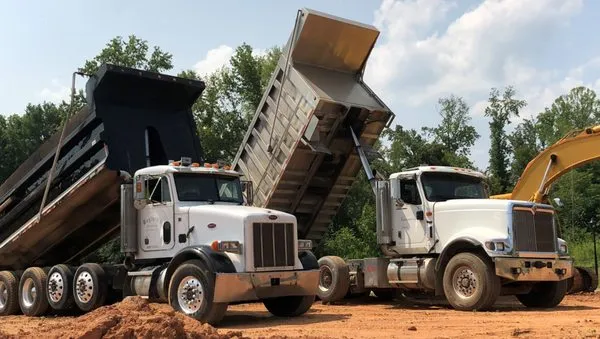
Triad Grading And Gravel is a Gibsonville-based contractor specializing in comprehensive landscaping, excavation, and demolition services for residential and commercial properties throughout the local...
As a trusted moxibustion center in Moganshan Road, our team of certified therapists specializes in traditional Chinese medicine techniques, including the suspended moxibustion method. We focus on prov...
Carolina Custom Landscaping is a trusted, family-owned business serving Burlington, NC, and the surrounding communities like Kimesville and Carrboro. For years, we've built our reputation on reliable,...
Picture Perfect Lawn Maintenance Inc. is a licensed landscaping company serving Burlington, NC, with a commitment to reliable and professional lawn care. With years of local experience, we provide com...
Holt's Lawn Care and Handyman is a locally owned Burlington business founded by brothers Sam and Daniel Holt. Their vision is to bring your home and yard dreams to life at an affordable price, focusin...
Estimated Landscaping Service Costs in Gibsonville, NC
Common Questions
How can I keep my Tall Fescue healthy during summer without violating water conservation rules?
Stage 1 voluntary conservation in Gibsonville aligns with using Wi-Fi ET-based weather sensing controllers. This technology schedules irrigation based on real-time evapotranspiration data, applying water only when the turf needs it and never during peak heat. Properly calibrated, it can reduce water use by 20-30% while maintaining turf health, as Tall Fescue's deep roots benefit from infrequent, deep watering cycles.
We want to regrade our backyard for better drainage. What permits and contractor checks are required?
Altering drainage on a 0.28-acre lot typically requires a grading permit from the Gibsonville Planning & Development Department. You must hire a contractor licensed by the North Carolina Landscape Contractors' Licensing Board for this work, as it involves significant earth movement and potential impact on stormwater systems. This licensing ensures they carry proper insurance and adhere to state-mandated practices for erosion control and environmental protection.
Our yard's soil seems hard and drains poorly. Is this just our lot, or a common issue in the Gibsonville Historic District?
This is a systemic issue for homes built around the district's average age of 2002. Your 24-year-old landscape sits on mature Cecil Sandy Clay Loam, a soil prone to compaction. Its high clay fraction reduces permeability, leading to the saturation you observe. Annual core aeration and incorporating compost are non-negotiable practices to rebuild soil structure and mitigate runoff inherent to this profile.
I'm tired of weekly mowing. Are there lower-maintenance, eco-friendly alternatives to grass?
Transitioning high-input turf to a xeriscape of native plants directly addresses this. A matrix of Switchgrass and Purple Coneflower, edged with Eastern Redbud, creates a resilient landscape that requires no mowing, minimal water, and supports pollinators. This shift also future-proofs your property against tightening noise ordinances by eliminating gas-powered equipment, relying instead on quiet, seasonal manual care.
If a storm downs a tree limb, what's the fastest realistic timeline for a crew to secure the site?
For an emergency cleanup, our standard dispatch from the Gibsonville Community Center uses I-40/I-85 for direct access, targeting a 25-35 minute arrival during peak congestion. The crew, equipped with electric chainsaws meeting local decibel limits, will first make the site safe by clearing hazards from structures and walkways. Full debris removal and chipping typically follow within the same service window.
Water pools near our foundation after heavy rain. What's a lasting solution for our clay soil?
Pooling indicates the moderate runoff hazard of Cecil clay. A graded swale lined with permeable crushed granite can redirect surface flow. For patios or walkways, specifying concrete pavers set on a gravel base increases infiltration, meeting Gibsonville Planning & Development Department's stormwater standards. Integrating a dry creek bed with native riparian plants also manages saturation while adding ecological function.
We see invasive vines and weeds. How should we treat them without harming the environment or breaking rules?
For common invaders like English Ivy or Japanese Honeysuckle, manual removal is most effective. If a targeted herbicide is necessary for persistent perennials, select a phosphorus-free formula to comply with NC Session Law 2011-394. Always apply during calm, dry periods to prevent drift, and never before a forecasted rain to protect watersheds. Improving soil health with native plantings is the best long-term defense against reinfestation.
We're adding a patio. Is wood or stone better for durability and safety here?
In Gibsonville's Zone 8a climate, concrete pavers and crushed granite offer superior longevity and lower maintenance than wood, which is prone to rot and insect damage. From a fire-wise perspective, these non-combustible materials are recommended for creating defensible space in areas with a Moderate Community Wildfire Protection Plan rating. Their permeability also aids in managing the site's runoff, contributing to a safer overall property.
