Top Landscaping Services in Flat Rock, NC, 28726 | Compare & Call

Lion Stone Construction
Lion Stone Construction is a Flat Rock, NC-based landscaping and general contracting company serving Henderson County and surrounding areas. We specialize in comprehensive outdoor solutions including ...

Lucky Leaf Landscaping is your trusted local partner for a healthier, more beautiful property in Flat Rock, NC. We specialize in comprehensive landscape maintenance and lawn care services tailored to ...

Sanchez Landscaping is a trusted local landscaping company serving Flat Rock, NC, specializing in comprehensive landscape maintenance, lawn care, shrub care, disease management, and shrub removal. We ...
JTS Property Management and Landscaping
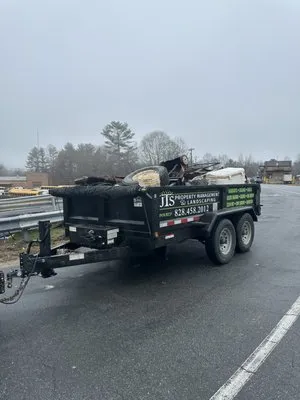
JTS Property Management and Landscaping is a Flat Rock, NC-based company providing comprehensive property solutions for local homeowners. We specialize in landscaping, demolition, grading, and junk re...
Glover & Kelly Landscaping is a trusted, locally owned landscaping company serving Flat Rock, NC, and the surrounding Henderson County area. We understand the unique challenges homeowners face in our ...
The Lawn Rangers is your trusted local landscaping partner in Flat Rock, NC, dedicated to preserving the beauty and health of your property. We specialize in diagnosing and resolving the common local ...
Finch's Landscaping is a local, woman-owned business in Flat Rock, NC, built on a foundation of hard work, reliability, and a genuine love for the outdoors. Owner and operator, I've always found getti...
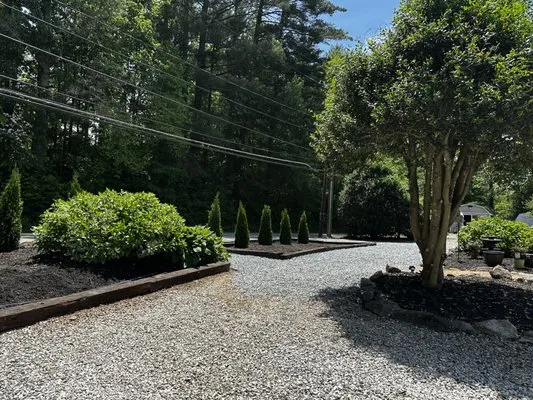
R&J Landscape and Development
R&J Landscape and Development is a Flat Rock, NC-based landscaping company specializing in comprehensive outdoor solutions. With expertise ranging from artificial turf installation and irrigation cons...
BFD Services is a trusted local contractor based in Flat Rock, NC, specializing in professional fencing, deck services, and landscaping. We provide reliable solutions for homeowners and businesses thr...
Honeycutt Lawn & Landscaping is a trusted, locally-owned landscaping company serving the Flat Rock, NC community. We understand the unique challenges Western North Carolina weather can bring to your p...
Q&A
Should I use wood or local stone for a new patio and fire pit area?
For longevity and fire safety, local Blue Ridge Granite is superior. Unlike wood, which decays and requires chemical treatments, granite is permanent, permeable, and non-combustible. This is a critical consideration for maintaining defensible space in Flat Rock's Moderate Wildfire Risk (WUI Zone 2) rating. A granite patio provides a durable, low-maintenance surface that enhances property value without contributing to fire fuel.
Why do I need a specially licensed contractor for regrading my .75-acre lot?
Significant earth-moving on a .75-acre parcel in Henderson County often triggers permit requirements from the Planning Department for stormwater management. The North Carolina Landscape Contractors Licensing Board requires a specific classification for this work, ensuring the contractor understands legal grade changes, erosion control, and adherence to watershed protections. Using an unlicensed entity risks improper drainage, violation of county codes, and potential liability for off-site sedimentation.
My sloped yard is eroding after heavy rains. What's a permanent fix?
Erosion on slopes is common here due to the clay content in our sandy loam soil, which sheds water quickly when bare. A tiered approach using local Blue Ridge Granite for permeable retaining walls or dry creek beds is effective. These structures slow water velocity, increase infiltration, and meet Henderson County runoff standards. Integrating these with deep-rooted native plants like Switchgrass stabilizes the soil long-term.
What are the most aggressive weeds here, and how do I control them safely?
In Flat Rock, invasive species like Japanese stiltgrass and Chinese privet are primary alerts. Treatment involves a combination of manual removal and targeted, professional-grade herbicides applied during specific growth cycles. Any chemical application must follow statewide nutrient management guidelines, with particular attention to phosphorus restrictions near protected watersheds. A licensed professional will ensure treatments are timed correctly and never applied during local blackout dates.
Why does my yard have such poor drainage and thin grass compared to newer neighborhoods?
Properties in Flat Rock Village Center, built around 1982, have soils with over 40 years of development history. The native Ultisol, an acidic sandy loam, becomes compacted over decades, reducing its permeability. This compaction, combined with the inherent high clay content, severely limits root penetration and water infiltration for turf. Core aeration and incorporating organic compost are essential to rebuild soil structure and counteract this historical degradation.
How quickly can a crew respond for an urgent HOA violation notice?
For emergency compliance cleanups, our standard dispatch originates near the Flat Rock Playhouse. Using US-25, our electric fleet can typically reach most Village Center addresses within the 20–30 minute peak response window. This efficiency is critical for addressing overgrowth or storm debris notices before fines accrue, and our quiet equipment adheres to local noise ordinances during operational hours.
How can I keep my Tall Fescue healthy during summer without violating water rules?
Smart, Wi-Fi ET-based irrigation controllers are the solution for Flat Rock's voluntary conservation status. These systems use real-time weather data to apply water only when needed, matching the precise evapotranspiration rate of your Kentucky-31 turf. This technology can reduce water use by 20-30% compared to traditional timers, ensuring your lawn receives adequate moisture while staying well within municipal guidelines and promoting deeper root growth.
Is there a lower-maintenance, eco-friendly alternative to my large lawn?
Yes, transitioning sections of high-maintenance turf to a xeriscape with native plants like Butterfly Weed, Mountain Laurel, and Eastern Redbud is highly recommended. This approach conserves water, eliminates weekly mowing and gas-powered blowing, and provides superior habitat for pollinators. It proactively aligns with evolving noise ordinances and biodiversity goals, creating a resilient landscape that thrives in Zone 7a with minimal input.
