Top Landscaping Services in Farmville, NC, 27828 | Compare & Call

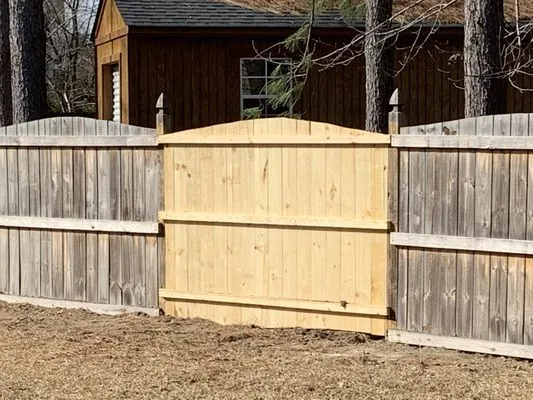
Before and After Concrete and Landscaping
Before and After Concrete and Landscaping is your trusted, local expert in Farmville, NC, specializing in comprehensive masonry, concrete, and landscaping solutions. We understand the unique challenge...
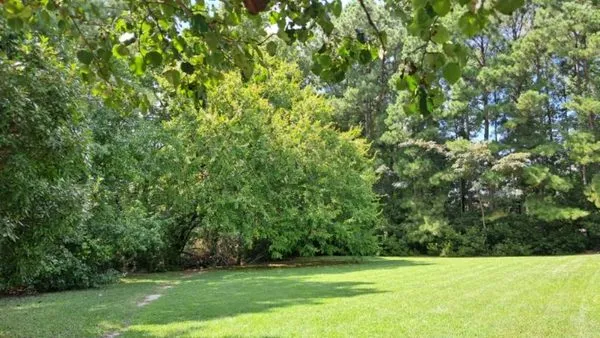
Road Runner Express is a Farmville-based lawn service dedicated to making a positive difference in the community through reliable, high-quality care. Founded on the principle of service, our team take...
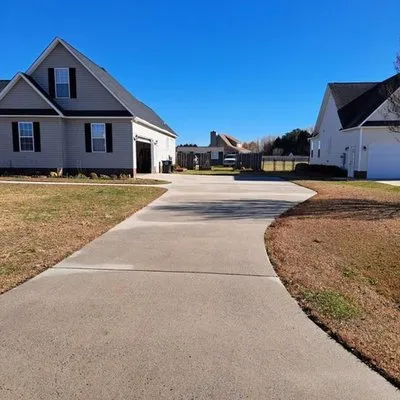
Wilson's Home Solutions is a trusted, locally-owned business serving Farmville, Greenville, and the surrounding communities. As the sole owner and operator, I built this company to step away from the ...
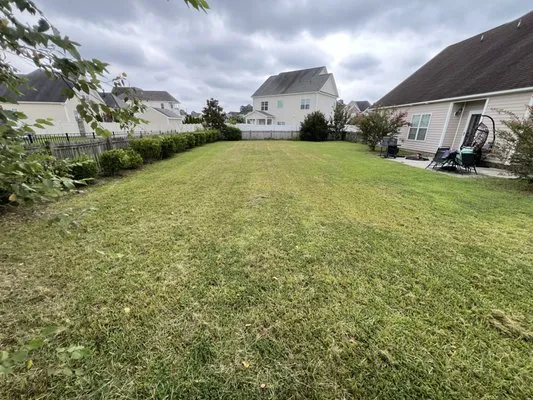
Truecut Landscaping is a full-service landscaping company serving Farmville, NC and surrounding communities. We specialize in comprehensive outdoor care, from routine lawn maintenance and shrub servic...
Dan Andrews Lawns is a trusted Farmville, NC landscaping company dedicated to revitalizing local yards. We understand that many homes in our area struggle with soil compaction and patchy, unhealthy gr...

Kings Lawn Services is a family-owned and operated lawn care business founded by brothers in Farmville, North Carolina. Our journey began with a shared passion for landscaping and a commitment to tran...
CVL Landscaping is a locally owned and operated lawn care service committed to keeping yards in Farmville, NC, clean, healthy, and well-maintained. We provide dependable and affordable lawn mowing, ed...
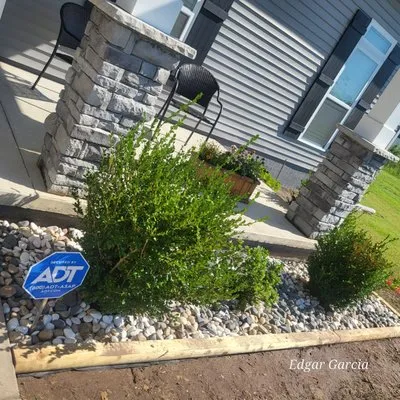
E'G Services LLC was founded in Farmville, NC, with a simple, family-focused mission that began during the Christmas season. Recognizing a need for reliable, quality lawn care in our community, we bui...

J And J Lawn Care is a Farmville-based landscaping company dedicated to solving the common yard challenges faced by local homeowners. We specialize in addressing persistent issues like poor yard drain...

Phil Starling Repair & Landscaping
Phil Starling Repair & Landscaping is your trusted Farmville neighbor for both home appliance functionality and beautiful, resilient outdoor spaces. Understanding our local climate and soil, we common...
Frequently Asked Questions
My yard stays soggy for days after rain. What's a lasting fix for this poor drainage?
The moderate seasonal high water table and poor infiltration of our acidic fine sandy loam create chronic surface saturation. A graded French drain system, terminating in a dry well or rain garden, is often required. For hardscape areas, specifying permeable clay brick paver installations can meet Town of Farmville Planning and Inspections Department runoff standards by allowing water to percolate into the subsoil rather than sheeting off.
My yard's soil seems so thin and compacted. Why is that common in Downtown Farmville?
Soil maturity in Downtown Farmville is typically 50 years, dating from the 1976 average build year. This acidic fine sandy loam (Ultisol) has undergone decades of weathering and compaction from standard construction practices and routine mowing. The low organic matter and poor structure now inhibit root penetration and water infiltration, necessitating core aeration and amendments like composted leaf mold to rebuild soil biology and permeability.
Why does my contractor need a special license just to regrade my quarter-acre lot?
In North Carolina, any landscaping project involving grading, drainage, or installation that affects structural stability requires a license from the North Carolina Landscape Contractors' Licensing Board. For a 0.25-acre lot, significant earthmoving may also require a permit from the Town of Farmville Planning and Inspections Department to ensure compliance with erosion control and stormwater management ordinances. Hiring a licensed professional protects you from liability and ensures the work meets state code.
A storm knocked down a large limb. How quickly can a crew arrive for emergency cleanup?
For an urgent HOA compliance or safety issue, our dispatch from the May Museum and Park area via US-258 allows a 20-30 minute peak response. The route is optimized for bypassing Downtown Farmville's core congestion. Crews are equipped for immediate debris processing, with chipping on-site to facilitate rapid restoration and meet local storm debris management protocols.
I'm tired of weekly mowing. What's a lower-maintenance, eco-friendly alternative?
Transitioning high-input turf to a climate-adaptive xeriscape with native plants like Eastern Redbud, Switchgrass, and Butterfly Weed drastically reduces water, fertilizer, and mowing demands. This biodiversity-focused landscape supports local pollinators and creates a resilient system. It also future-proofs your property against evolving noise ordinances that may restrict gas-powered blowers and mowers during early morning or evening hours.
Are clay brick pavers a better long-term choice than wood for a new patio?
Clay brick pavers offer superior longevity and permeability compared to wood, which requires regular sealing and replacement. Their inherent fire resistance contributes to a defensible space perimeter, a consideration given Farmville's Low Wildland-Urban Interface rating. For durability and minimal lifecycle maintenance in our climate, clay brick is a technically sound investment that maintains structural integrity for decades.
How do I keep my Tall Fescue green without wasting water under voluntary conservation?
Wi-Fi enabled ET-based controllers are the standard solution. They automatically adjust runtime by pulling local evapotranspiration data, applying water only when the turfgrass root zone requires it. This precision irrigation can reduce potable water use by 20-30% compared to traditional timers, maintaining turf health within municipal guidelines while adhering to the spirit of Farmville's voluntary conservation status.
I see a vine taking over my shrubs. How should I handle invasive species safely?
Common invasive alerts for Zone 8a include Japanese Honeysuckle and Chinese Wisteria. Correct identification is critical before treatment. A targeted cut-stump application of an appropriate systemic herbicide in late summer, following the product label precisely, is often effective. This method minimizes drift and complies with NC Nutrient Management Rules, which include blackout dates and restrictions on broadcast applications near waterways to protect water quality.
