Top Landscaping Services in Denver, NC, 28037 | Compare & Call
There are 211 landscaping companies server in Denver NC
Smith Brothers Landscaping is your dedicated local partner for a beautiful, healthy property in Denver, NC. We understand the specific challenges homeowners here face, from patchy lawns due to sprinkl...
Davidson Brothers Tree Farm in Iron Station, NC, is your trusted local partner for resilient and beautiful landscaping. We understand the specific challenges Iron Station homeowners face, such as spri...
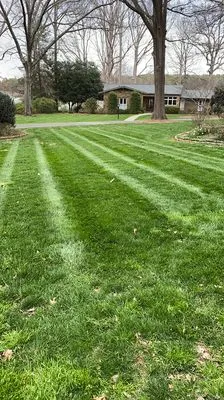
L&C Landscaping is your trusted local partner for creating and maintaining beautiful, functional outdoor spaces in Statesville, NC. We specialize in addressing common local landscaping challenges, par...
KAT Landscaping Supply in Denver, NC, is your local source for quality landscaping materials and expert guidance. We understand the common challenges Denver homeowners face, like persistent weed infes...
Dellinger Lawn and Landscape is a trusted Denver, NC landscaping company dedicated to solving common local lawn challenges. We specialize in addressing the frequent issues of sprinkler leaks and bare ...
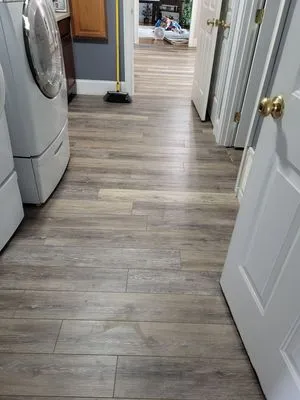
Site Prep And Hauling is your trusted, full-service solution for home and property maintenance in Lincolnton, NC. We understand that local homeowners often deal with landscaping challenges like tree r...
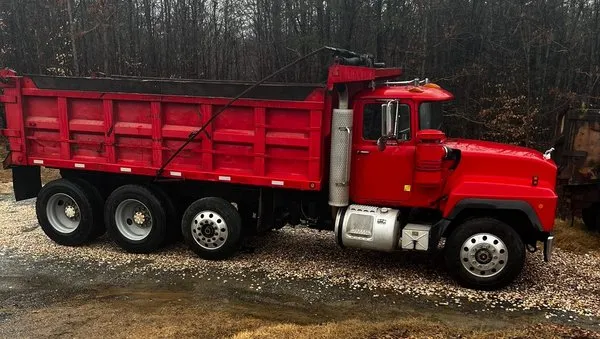
Greenway Materials is a Mooresville-based provider of bulk construction and landscaping materials, serving residential and commercial clients within a 30-mile radius. We specialize in delivering sand,...
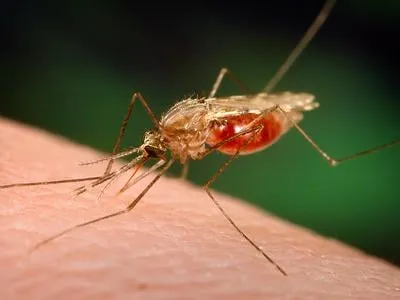
Proformance Turf has been a trusted, locally-owned lawn care provider in the greater Lake Norman area since 1988. We offer comprehensive residential and commercial services designed for the specific n...
Denver Landscape Services is a full-service landscaping company serving Denver, NC, specializing in both construction and maintenance to enhance outdoor spaces. We address common local issues like bar...
M.D. Lynch and Company is a locally owned landscaping company serving Denver, North Carolina, with expertise in landscape design, construction, and maintenance. Their services include irrigation syste...
Estimated Landscaping Service Costs in Denver, NC
FAQs
An aggressive vine is taking over our flower beds. How do we remove it safely without harming other plants or the law?
For invasive vines like Japanese honeysuckle or kudzu, careful manual removal followed by a targeted, systemic herbicide applied to the cut stem is most effective. Timing is critical to avoid the state-mandated Phosphorus Guideline blackout dates, which restrict certain fertilizer and pesticide applications to protect water quality. Always identify the species first, as some require specific treatment protocols. This method minimizes chemical use and prevents damage to desirable adjacent vegetation.
We want to regrade part of our half-acre lot to fix drainage. What do we need to know about permits and hiring?
Regrading a 0.45-acre lot in Lincoln County typically requires an erosion control permit from the Building and Land Development office, as it disturbs soil and alters water flow. Critically, any contractor performing this work must hold the proper license from the North Carolina Landscape Contractors' Licensing Board. This ensures they are bonded, insured, and knowledgeable about state sedimentation laws. For projects impacting drainage patterns, this licensing is non-negotiable for both legal compliance and protecting your property value.
Our HOA cited us for overgrown landscaping and gave us 72 hours to comply. How quickly can you get a crew here?
For an emergency HOA compliance cleanup, our dispatch prioritizes Denver's Sailview area. A crew would stage at the Denver United Methodist Church and take NC-16 Business directly to your street. Accounting for peak traffic variables, we guarantee an on-site arrival within the 25-35 minute window stated in our storm response protocols. This allows us to mobilize equipment and personnel to address the violation notice immediately.
We're tired of the constant mowing and blowing. Are there lower-maintenance, eco-friendly options for our yard?
Transitioning to a landscape anchored by regional natives like Eastern Redbud, Switchgrass, and Butterfly Weed significantly reduces maintenance inputs. These plants are adapted to local rainfall and soil pH, eliminating the need for weekly mowing and frequent fertilization. This shift pre-adapts your property to evolving noise ordinances targeting gas-powered blowers and aligns with 2026 biodiversity initiatives. It creates a resilient, self-sustaining ecosystem that conserves water and supports pollinators.
Water pools in our backyard for days after a rain. What's causing this, and what's a permanent fix?
Ponding is a direct symptom of the high clay content and compaction inherent to Cecil sandy loam soils, which drastically reduce permeability. A permanent fix involves integrating subsurface drainage, such as French drains, with surface corrections. Replacing impermeable surfaces with permeable concrete pavers or local granite set in a sand base can also help. Any such system must be designed to manage runoff volumes that meet Lincoln County Building and Land Development standards for post-construction stormwater.
With voluntary water conservation in place, how do we keep our Tall Fescue lawn alive without wasting water?
Maintaining Tall Fescue under Stage 0 voluntary conservation requires precision. Wi-Fi ET-based irrigation controllers are the solution, using local weather station data to apply only the water lost to evapotranspiration each day. This technology often reduces water use by 20-30% compared to traditional timers, keeping the lawn in dormancy-avoiding health while adhering to municipal guidelines. Properly configured, it ensures the turf receives moisture based on actual need, not a fixed schedule.
We're replacing our old wooden deck. Are concrete pavers or local granite a better long-term investment for Denver?
Concrete pavers and local granite offer superior longevity and lower lifetime maintenance compared to wood, which requires regular sealing and is susceptible to rot. In Denver's Moderate Fire Wise rating zone, these non-combustible materials also contribute to defensible space by creating a fuel break around the home. Granite, being a native stone, has exceptional durability against freeze-thaw cycles common in Zone 8a, while modern concrete pavers are designed for high permeability and load-bearing capacity.
Our Sailview neighborhood yard seems to struggle no matter what we plant. Could the soil itself be the problem?
Properties built around 1995, like many in Sailview, have soils that are now 30+ years into a compaction cycle. The underlying Ultisol, specifically Cecil sandy loam, naturally becomes dense and acidic (pH 5.5-6.0) over time without intervention. This maturity limits root penetration and water percolation, starving turf and ornamentals. Core aeration combined with a lime application to adjust pH is not just beneficial; it's a necessary recalibration for soil health on these established lots.
