Top Landscaping Services in Dallas, NC, 28034 | Compare & Call
There are 188 landscaping companies server in Dallas NC
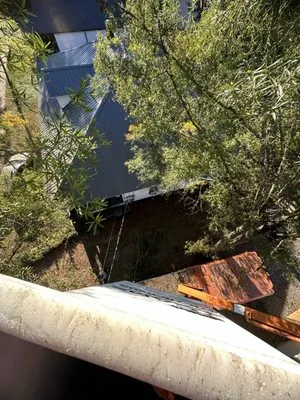
Evergreen Precision is a Bessemer City tree and landscaping service founded on a genuine passion for working outdoors. What began as a helper on small jobs grew into a dedicated local business built o...
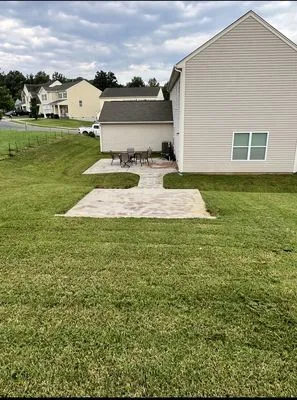
Hoovers Landscaping is a full-service landscaping company serving Charlotte, NC, specializing in both construction and maintenance to enhance outdoor spaces. We address common local issues like sprink...
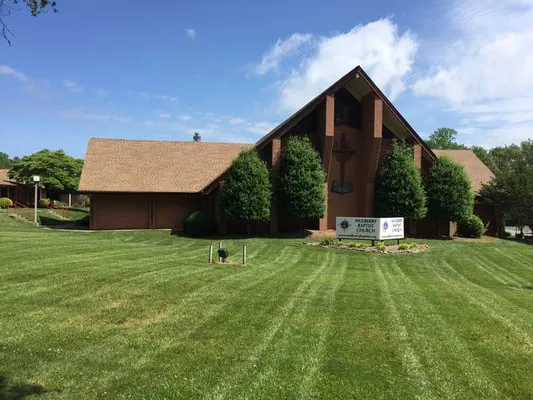
General Lawn Care in Charlotte, NC, is a locally owned and operated landscaping business founded in 2001 by Andrew 'Drew' Spain. Specializing in comprehensive lawn care, tree services, and irrigation,...
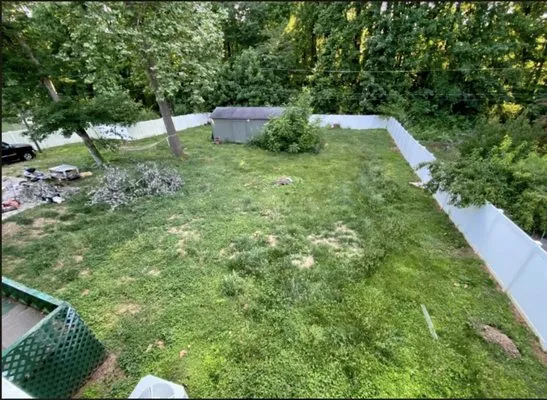
We are Budget-Friendly Lawn Service, serving Gastonia with straightforward, affordable lawn care. We believe in giving you control, so we offer Customized Service Packages. Instead of a one-size-fits-...
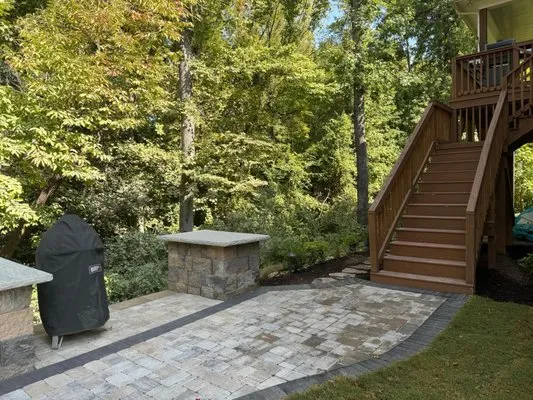
Mr. Outdoor Living is a licensed general contractor and local family business in Charlotte, NC, with over 25 years of experience specializing in outdoor living spaces. Led by founder Bill Goldstein, t...
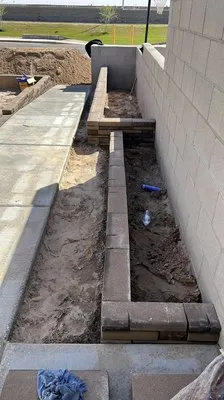
Queen City Project Group is Charlotte's largest project group company, dedicated to transforming homes and landscapes with a comprehensive, integrated approach. We specialize in connecting the dots be...

Gregory Lawn Care Service is a locally owned and operated provider dedicated to enhancing outdoor spaces in the Charlotte and Belmont, NC areas. We focus on reliable lawn care and landscaping, underst...
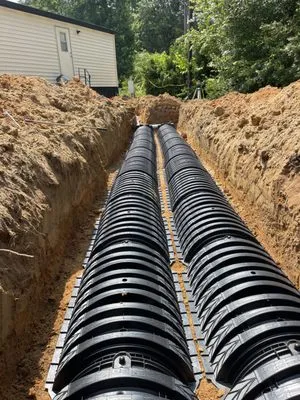
Turner Site Services Inc is a family- and first-responder-owned business based in Unionville, NC, founded on principles of safety, precision, and dependable results. Since 2023, we have been dedicated...
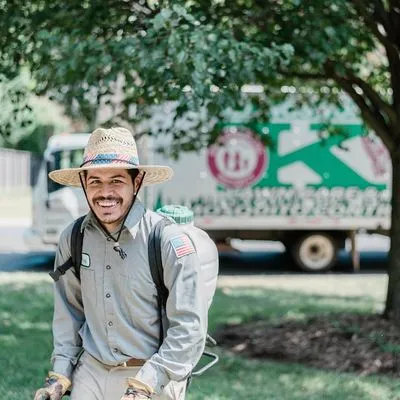
Killingsworth Environmental is Mint Hill's trusted, locally-owned pest control expert. We provide comprehensive protection for your home and family, specializing in the extermination and prevention of...
Grass Daddy's is a locally owned and operated landscaping business in Iron Station, NC, founded by James Thompson Jr. With over 8 years of industry experience that began in high school on a sod farm, ...
Estimated Landscaping Service Costs in Dallas, NC
Common Questions
We have a sudden HOA compliance notice for overgrown vegetation. How quickly can you respond?
Emergency cleanup dispatch for the Dallas area is prioritized from our central staging at Dallas Park. Crews travel via US-321, with a peak storm response window of 20-30 minutes to most locations in the Historic District. Our fully electric maintenance fleet operates quietly within the local noise ordinance hours (9:00 PM to 7:00 AM), allowing for extended work periods if needed to meet urgent deadlines without disturbance.
Do I need a permit or licensed contractor to regrade my yard and fix drainage?
Yes. Regrading that alters water flow on a 0.35-acre lot typically requires review by the Gaston County Planning and Development permit office to ensure compliance with stormwater regulations. Furthermore, this type of earthwork and drainage installation must be performed by a professional licensed by the North Carolina Landscape Contractors' Licensing Board. This licensing ensures the contractor has the technical knowledge and insurance to execute the work correctly and legally, protecting your property investment.
Our neighborhood has older homes. What should I know about the soil in my yard before planting?
Properties in the Dallas Historic District, built around 1994, have soils that are now 32 years mature. The prevalent Cecil Sandy Loam (an Ultisol) tends to become compacted over decades, developing a dense, clay-rich layer that restricts root growth and water percolation. Core aeration and amending with composted organic matter are critical first steps to rebuild soil structure and correct the naturally acidic pH of 5.5-6.2. This process introduces air and biology, transforming tired soil into a resilient growing medium.
I'd like a lower-maintenance, eco-friendly yard. What are my options?
Transitioning high-input turf areas to climate-adaptive plantings is a forward-looking strategy. Incorporating native species like Eastern Redbud, Purple Coneflower, Switchgrass, and Beautyberry reduces water, fertilizer, and mowing demands. These plants support local biodiversity and, once established, require minimal care. This shift also future-proofs your property against evolving noise ordinances that restrict gas-powered blowers, as native beds generate less fine debris than traditional turf.
We're adding a patio. How do concrete pavers and local granite compare to wood for durability?
Concrete pavers and local granite offer superior longevity and require far less maintenance than wood, which decays and requires chemical treatments. These inorganic materials are non-combustible, contributing to a higher Fire Wise rating—a consideration even in Dallas's low-risk urban-suburban interface. Their permanence and stability also prevent shifting and settling in our expansive clay soils, ensuring a level, safe surface for decades with minimal upkeep.
How can I keep my Tall Fescue lawn healthy while following voluntary water conservation?
Wi-Fi ET-based weather-sensing irrigation technology is the standard for conservation in Dallas. These systems automatically adjust watering schedules based on real-time evapotranspiration data, applying water only when and where the turf needs it. This method often uses less water than a manual schedule while keeping Tall Fescue properly hydrated, aligning perfectly with municipal voluntary conservation efforts. Deep, infrequent watering cycles encourage deeper root systems, further enhancing drought tolerance.
What are the most common weed or invasive species problems here, and how are they treated?
In Dallas's Zone 8a, invasive threats like Japanese Stiltgrass and Chinese Privet are prevalent. Treatment requires an integrated plan starting with proper identification and timing applications outside of state-mandated Phosphorus restriction blackout dates for turf areas. Safe, targeted herbicide use combined with pre-emergent strategies and promoting dense, healthy native ground covers provides effective, long-term control without harming the soil biology or violating local ordinances.
Water pools in my yard after heavy rain. What's the best long-term solution?
Surface ponding is common here due to the high clay content in Cecil soils, which have low permeability. A layered approach is most effective: first, regrade to create positive surface flow, then install subsurface French drains to capture and redirect water. For any new hardscape, specify permeable concrete pavers or local granite set with gravel joints to increase infiltration and meet Gaston County Planning and Development's stormwater runoff standards.
