Top Landscaping Services in Coats, NC, 27521 | Compare & Call

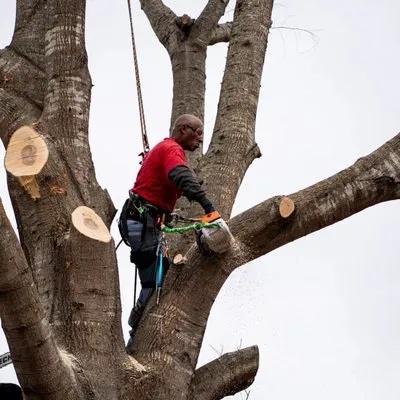
Kingdom Landscapes is a full-service landscaping and earthwork company serving Coats, NC, and the surrounding Harnett County area. We specialize in solving the common local problems homeowners face, s...
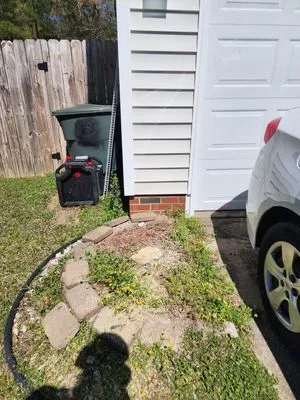
Escamilla Especial Landscaping serves Coats, NC, and surrounding communities with comprehensive outdoor solutions. We specialize in creating and maintaining beautiful, functional landscapes. Our exper...
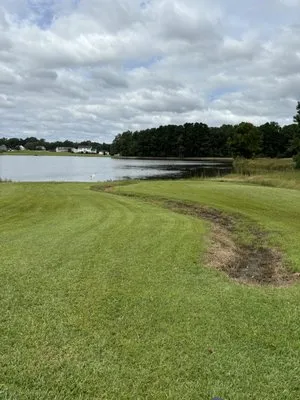
Sullivan Lawn Services in Coats, NC, is a locally owned and operated lawn care business founded by a dedicated owner who started it from the ground up. The business began with a personal motivation—wh...
For nearly 20 years, Buddy's Lawn Service has been the trusted local choice for residential lawn care in Coats. As a growing, family-owned business, we take genuine pride in providing high-quality, re...
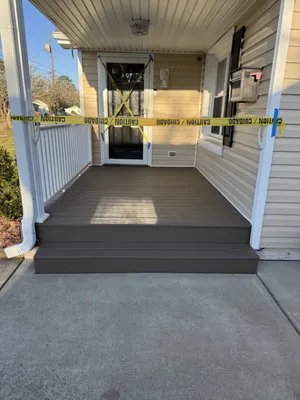
Medlin & More LLC is a trusted local business serving Coats, NC and surrounding Central North Carolina communities. We provide comprehensive handyman services, home repair and remodeling, pressure was...
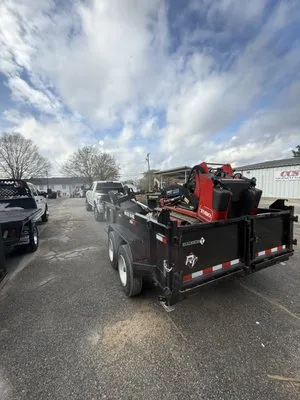
AA Hard & Landscapes is a trusted landscaping company serving Coats, NC, and the surrounding Harnett County area. We specialize in practical, lasting solutions for common local lawn problems, particul...
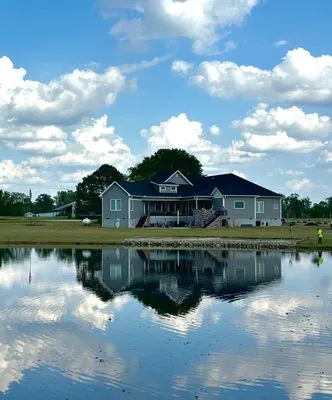
TBA Enterprise is your trusted local partner in Coats, NC, specializing in landscaping, junk removal, and hauling services. We understand the common challenges homeowners face in our area, such as dyi...
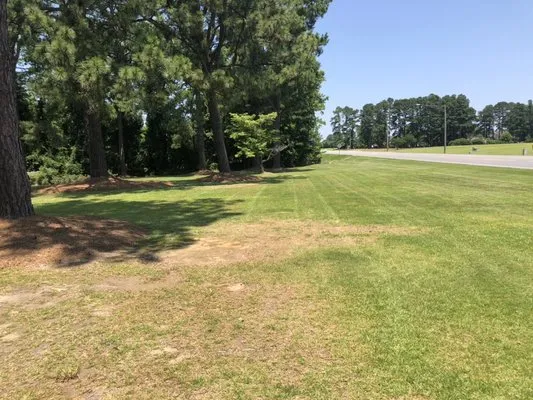
Steven's Lawn Care is a trusted local lawn service provider serving Coats, NC, and the surrounding areas. Specializing in comprehensive lawn care, we help homeowners tackle common local landscaping ch...

Edgar Landscape is a trusted, locally-owned landscaping company serving Coats, NC, and the surrounding areas. We specialize in diagnosing and solving the specific landscaping problems common to local ...
Petoletti’s Lawncare and Landscaping is a trusted local lawn service provider serving Coats, NC, and the surrounding areas. We specialize in comprehensive lawn care solutions designed to address commo...
Frequently Asked Questions
Are concrete pavers a better choice than wood for a new patio?
In this climate, inorganic materials like concrete pavers offer superior longevity with minimal maintenance compared to wood, which is prone to rot and insect damage. Crushed granite is another durable, permeable option. For all materials, maintaining the required defensible space per the Low Fire Wise Rating is straightforward, as these non-combustible surfaces do not contribute fuel load near the home's perimeter.
My yard holds water after heavy rains. What's a lasting solution?
Moderate runoff and a seasonal high water table are common on Coats' sandy loam lots due to underlying soil layers with low permeability. A graded French drain system, daylighting into a suitable outlet, is often the engineered solution. For new hardscape, specify permeable jointing for concrete pavers or use open-graded crushed granite to increase infiltration and help meet Coats Planning & Zoning Department's site runoff management standards.
Why does my landscaper need a special license for grading and drainage work?
In North Carolina, altering the contour of a 0.35-acre lot constitutes grading and earthmoving, which falls under the scope of work requiring a license from the North Carolina Landscape Contractors Licensing Board. This ensures the contractor has the technical knowledge to manage soil stability, water flow, and compliance with local codes. The Coats Planning & Zoning Department may also require a permit for such projects to ensure community drainage patterns are not adversely affected.
Should I run my sprinklers daily even though there are no water restrictions?
No. Daily irrigation promotes shallow roots and wastes water, even under Stage 0 restrictions. For Tall Fescue or Centipedegrass in Zone 8a, an ET-based (evapotranspiration) Wi-Fi irrigation controller is recommended. This technology schedules watering based on local weather data, soil moisture, and plant need, applying deep, infrequent soakings that encourage drought tolerance and stay well within municipal water system capacities.
Is there a lower-maintenance alternative to my traditional lawn?
Yes. Transitioning perimeter zones to a xeriscape of native plants like Eastern Redbud, American Beautyberry, and Little Bluestem significantly reduces water, mowing, and chemical inputs. This biodiversity-focused planting is climate-adaptive and reduces reliance on gas-powered blowers and mowers, positioning your property ahead of evolving noise and emissions ordinances. Swamp Milkweed in rain gardens also supports local pollinator populations.
What should I do about invasive vines like kudzu or English ivy?
Invasive species like kudzu require persistent mechanical removal followed by careful, targeted herbicide application to the cut stems to prevent regrowth. All treatment must align with North Carolina's Nutrient Management Guidelines, which may specify blackout dates for certain herbicide types to protect water quality. For extensive infestations, a licensed professional can implement a phased management plan that prioritizes soil and native plant recovery.
Why does my soil in Downtown Coats seem so compacted and poor?
Properties built around the 1970s average, like many in Downtown Coats, have soils that have matured for over 50 years without significant remediation. The native Ultisols, a sandy loam, naturally acidify and become compacted under repeated mowing and foot traffic, reducing permeability. Core aeration in early spring and incorporating 2-3 inches of composted organic matter are essential to rebuild soil structure, lower bulk density, and support healthy root zones for turf and ornamentals.
How quickly can you respond to a storm damage emergency for HOA compliance?
Our standard peak storm response window is 20-30 minutes for Downtown Coats addresses. We dispatch a crew from our staging area near Coats Community Park, utilizing NC-55 for direct access. This allows for rapid assessment and initial safety mitigation, such as clearing fallen limbs from structures or roadways, to meet typical HOA compliance deadlines following severe weather events.
