Top Landscaping Services in Clyde, NC, 28721 | Compare & Call
There are 149 landscaping companies server in Clyde NC
Guardian Property Managers in Waynesville, NC, is a trusted local provider specializing in comprehensive tree and lawn services to maintain and enhance residential and commercial properties. Serving t...

Fire Wood & Lawn Care is a trusted local provider in Waynesville, NC, specializing in comprehensive lawn and tree services. We understand the common landscaping challenges in our area, particularly so...
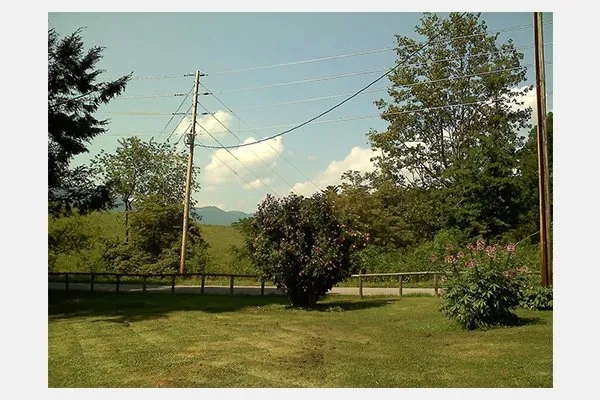
A+ Mowing Solutions in Waynesville, NC, is a locally owned and operated landscaping business that grew from a personal passion into a reliable service for the community. Founded as a hobby, it has evo...
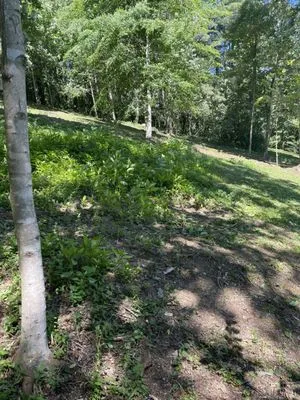
Kirkpatrick Landscaping is a trusted, local lawn and tree care provider serving Waynesville, NC. We understand the specific challenges homeowners face here, from tree roots causing lawn damage to poor...
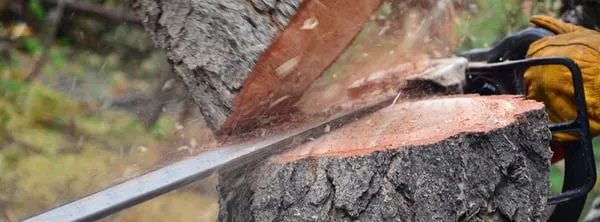
Cope Tree Service & Mulch Delivery is a fully insured, locally-owned company serving Clyde, NC and surrounding Western North Carolina communities. With years of experience in tree care, landscaping, a...
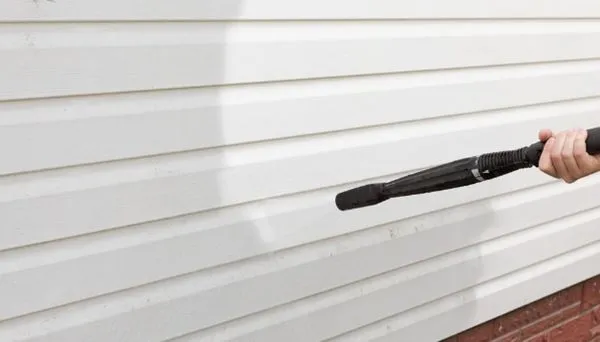
Elite Property Detailing is a locally owned and insured company serving Waynesville, Haywood County, and surrounding areas like Sylva and Candler. We specialize in enhancing and maintaining your prope...

Stiles Landscaping is a trusted, local family-owned business serving Clyde and the surrounding Haywood County area. We specialize in comprehensive landscaping, gutter services, and handyman solutions ...
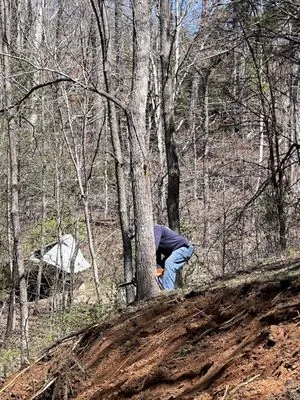
Little Foot Brush Cutting & Excavating
Little Foot Brush Cutting & Excavating is a trusted family-owned contractor serving Sylva, NC, and the surrounding communities for over 30 years. We specialize in transforming properties through exper...
Hambleton Lawn Care & Maintenance Services has been a trusted provider in Clyde and the surrounding Western North Carolina communities for years. We specialize in comprehensive lawn care, landscaping,...
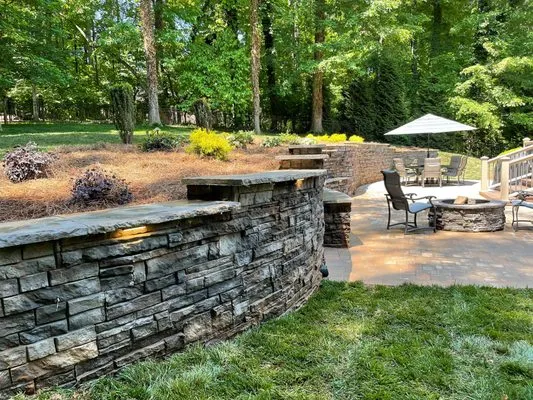
Appalachian Landscaping is a full-service landscaping company dedicated to enhancing the beauty and health of outdoor spaces in Candler, NC, and the surrounding Asheville area. We understand that loca...
Estimated Landscaping Service Costs in Clyde, NC
Frequently Asked Questions
How quickly can you respond to an emergency storm cleanup that violates HOA compliance rules?
Emergency storm response from Clyde Town Hall via US-19/23 typically requires 20-30 minutes during peak conditions. Our electric maintenance fleet operates within standard noise ordinance hours of 7:00 AM to 9:00 PM for immediate debris removal. We prioritize routes along the Great Smoky Mountains Expressway to address fallen branches or drainage issues before HOA violation notices are issued.
Why choose Appalachian fieldstone over wood for patios in fire-prone areas?
Appalachian fieldstone provides superior longevity with minimal maintenance compared to wood's decay in humid conditions. This non-combustible material supports Moderate Fire Wise WUI Zone 2 compliance by creating defensible space around structures. Permeable paver installations with fieldstone allow proper drainage while meeting erosion control requirements for slopes common in 0.35-acre Clyde properties.
How do I maintain my Tall Fescue lawn during voluntary water conservation periods?
Smart Wi-Fi soil moisture sensor controllers optimize irrigation by tracking evapotranspiration rates and soil conditions. These systems apply water only when Kentucky-31 or turf-type Tall Fescue shows actual moisture deficits, typically reducing usage by 30-40%. During Stage 0 voluntary conservation, this technology maintains turf health while staying well below municipal water limits through precise scheduling based on real-time data.
What permits and licenses are needed for grading work on my Clyde property?
Grading projects on 0.35-acre lots require erosion control permits from Haywood County Planning and Development. Contractors must hold North Carolina Landscape Contractors' Licensing Board certification for earthmoving exceeding certain volumes. This ensures proper slope stabilization and drainage compliance, particularly important given the acidic clay loam's high runoff potential. Unlicensed grading risks significant fines and remediation requirements.
Why does my Clyde yard have such compacted, acidic soil that struggles to grow anything?
Downtown Clyde properties built around 1986 have soil that has matured for approximately 40 years. This acidic clay loam ultisol naturally compacts over decades, reducing permeability and root penetration. Core aeration with organic amendments like composted pine bark addresses the pH 5.5-6.2 range while improving soil structure. Regular soil testing every 2-3 years monitors nutrient availability in this established neighborhood environment.
What solutions prevent erosion on steep Clyde slopes with heavy runoff?
Acidic clay loam soils in steep areas require terracing with Appalachian fieldstone retaining walls and permeable paver systems. These installations increase infiltration rates while meeting Haywood County Planning and Development runoff standards. French drains with gravel beds redirect subsurface water, and native groundcovers stabilize slopes to prevent the high erosion common in this topography.
What invasive species threaten Clyde gardens, and how do I treat them safely?
Japanese stiltgrass and Chinese privet present the highest invasive risks in this region. Manual removal before seed set combined with targeted glyphosate applications during dormancy avoids phosphorus runoff concerns. Treatment timing respects statewide nutrient management guidelines by avoiding spring application windows. Regular monitoring prevents establishment while protecting native Eastern Redbud and Joe-Pye Weed populations.
Can I reduce lawn maintenance while preparing for electric equipment requirements?
Replacing high-maintenance turf with Mountain Laurel, Rhododendron maximum, and Switchgrass creates a xeriscape that requires minimal care. These native plants thrive in Zone 7a with little irrigation, reducing mowing frequency from weekly to seasonal. This transition anticipates stricter noise ordinances by eliminating gas-powered equipment needs while supporting 2026 biodiversity standards through pollinator-friendly plantings.
