Top Landscaping Services in Clemmons, NC, 27012 | Compare & Call


On Time Lawn Care is a family-operated, women-empowered lawn service in Clemmons, NC, dedicated to building lasting relationships through trust and education. Founded by Angela, the company brings an ...

Jones Hillcrest Landscapes is a locally owned and operated business serving Clemmons and the surrounding communities. We specialize in comprehensive landscape maintenance and professional tree care se...
Turf Brothers is your trusted, family-owned lawn and tree care expert serving Clemmons, NC, and the surrounding Forsyth County area. We provide comprehensive solutions for your outdoor space, includin...
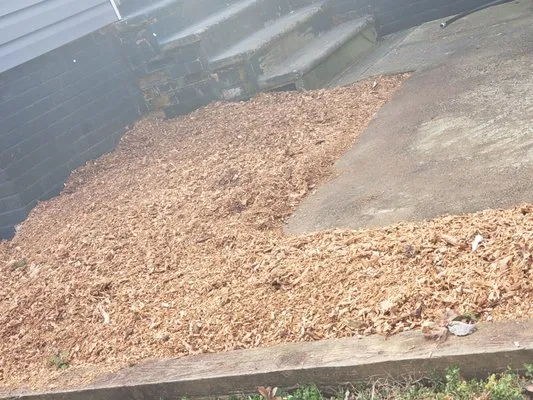
AR Land Enhancement is a full-service landscaping and tree care company serving Clemmons, NC, and the surrounding areas. We specialize in comprehensive outdoor solutions, from earthmoving and driveway...
Clemmons Landscaping is a trusted local landscaping company serving Clemmons, NC, and the surrounding areas. We specialize in comprehensive lawn care and landscape maintenance tailored to the specific...
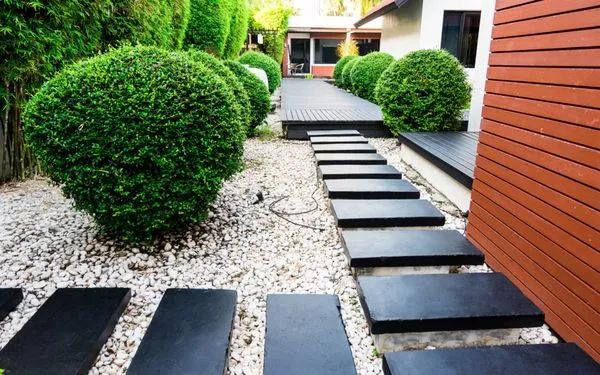
Davis Outdoor Solutions
Davis Outdoor Solutions is a trusted local landscaping and tree care company serving homeowners in Clemmons, NC. We specialize in transforming and maintaining outdoor spaces with expert gardening, com...
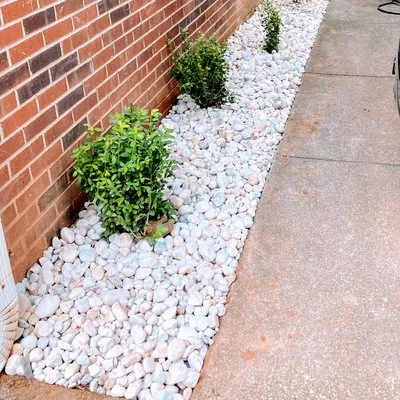
Martir's Landscaping and Tree Services is a Clemmons-based company providing comprehensive outdoor care for residential and commercial properties. We specialize in landscaping, tree services, and shru...
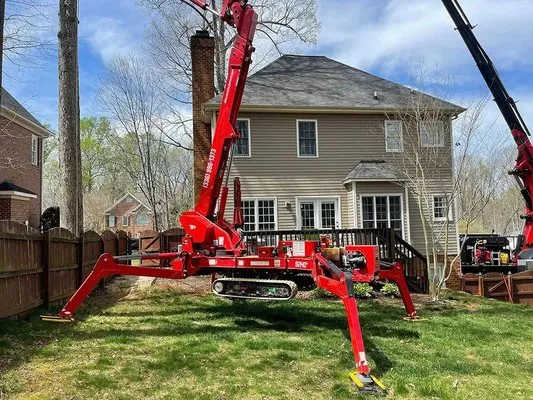
BH Enterprise & Landscaping Inc. is a licensed landscaping and tree service company serving Clemmons, NC, and surrounding areas including Winston Salem, Guilford, Davie, and Yadkin counties. We specia...

Premium Landscapes & Lawn Care is a trusted, locally-owned landscaping and snow removal company serving Clemmons, NC. We specialize in solving the common yard issues homeowners face here, such as unsi...
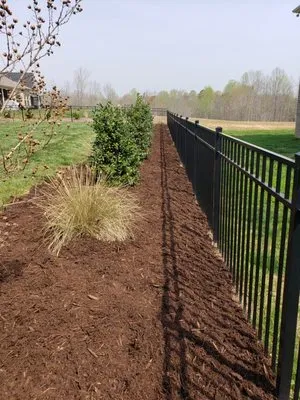
Earth Trends Lawn and Landscaping provides professional lawn care services to homes and businesses in Clemmons, NC. We understand the unique challenges local property owners face, such as dying shrubs...
Questions and Answers
Why does my Clemmons yard in the Brookwood area have such poor soil, and what can I do about it?
Homes built around 1991 in this neighborhood are now 35 years old, and their original construction-grade topsoil has fully degraded. The underlying Cecil Sandy Clay Loam has a dense, compacted structure with low organic matter, which severely limits root penetration and water infiltration. Core aeration in early fall, followed by a top-dressing of compost, is the primary method to rebuild soil structure and increase permeability. This process directly addresses the native pH range of 5.5-6.2 by fostering microbial activity that naturally buffers soil acidity over time.
Water pools near my foundation after heavy rain. What's a long-term solution?
Localized pooling is a direct result of the high clay content in Cecil soil, which has very low percolation rates. A graded French drain system, channeling water away from the foundation to a rain garden or dry well, is the most effective correction. For any new patios or walkways, specifying permeable modular concrete pavers or flagstone set on an open-graded aggregate base can significantly reduce runoff, often meeting the Village of Clemmons Planning Department's updated stormwater management standards for new hardscapes.
My HOA issued a violation notice for overgrowth. How quickly can a crew address this?
An emergency compliance crew can typically be dispatched within 24 hours. The standard route from Clemmons Village Hall proceeds west on Lewisville-Clemmons Road to access I-40, ensuring a reliable 20-30 minute arrival to most Brookwood addresses, even during peak traffic. Crews operate battery-electric mowers and trimmers that comply with the standard 7:00 AM noise ordinance start time, allowing for immediate work upon arrival to rectify turf and edge violations.
What are the most aggressive weeds here, and how do I control them safely?
In Clemmons, invasive species like Japanese stiltgrass and Chinese privet pose significant threats. Manual removal before seed set is most effective, but for persistent infestations, a targeted, professional-grade herbicide application is necessary. All chemical applications must comply with North Carolina's mandated nitrogen and phosphorus limits, requiring precise timing and formulation to protect local watersheds. Treatment plans must avoid state-mandated blackout dates near water bodies to prevent regulatory violations.
Should I use a wood deck or a paver patio for my new outdoor living space?
For longevity and reduced maintenance in USDA Zone 7b, modular concrete pavers and flagstone are superior to wood. These materials do not rot, warp, or require seasonal sealing, and their inherent fire resistance contributes to a defensible space—a key consideration for maintaining a Moderate Firewise USA site rating. A properly installed paver patio on a compacted aggregate base will remain stable for decades despite the region's freeze-thaw cycles, offering a better lifetime value than composite or natural wood decking.
Do I need a permit to regrade my backyard, and what type of contractor should I hire?
Regrading a 0.45-acre lot often requires a permit from the Village of Clemmons Planning Department, especially if it alters water flow to adjacent properties or involves significant cut and fill. This work must be performed by a contractor holding a valid license from the North Carolina Landscape Contractors' Licensing Board. The licensing ensures the contractor is bonded, insured, and knowledgeable about state erosion control and sedimentation laws, which are strictly enforced to prevent downstream impacts from soil disturbance.
I'm tired of weekly mowing. Are there lower-maintenance, eco-friendly alternatives?
Transitioning high-maintenance turf areas to a climate-adaptive landscape is a forward-thinking strategy. A layered planting of native Eastern Redbud, Switchgrass, and Purple Coneflower creates a resilient, biodiverse habitat that requires no mowing and minimal watering once established. This xeriscaping approach drastically reduces the need for gas-powered equipment, future-proofing your property against potential tightening of noise ordinances and aligning with 2026 biodiversity goals for residential landscapes.
How can I keep my Tall Fescue lawn healthy during summer without wasting water?
Smart irrigation controllers using Wi-Fi and ET-based weather sensing are now the standard for efficient water use in Clemmons. These systems calculate evapotranspiration rates, applying water only when needed and skipping cycles after rainfall. This technology is critical for maintaining Turf-Type Tall Fescue, which requires deep, infrequent watering to develop drought-resistant roots. Adopting this approach aligns with Forsyth County's voluntary conservation stance and prevents overwatering that exacerbates pooling in clay soils.
