Top Landscaping Services in Clayton, NC, 27520 | Compare & Call

There are 188 landscaping companies server in Clayton NC

ITB Luxscapes in Raleigh, NC, began when the founder transformed his own outdoor space and discovered a talent for design. Recognizing the need for high-quality craftsmanship, he partnered with expert...
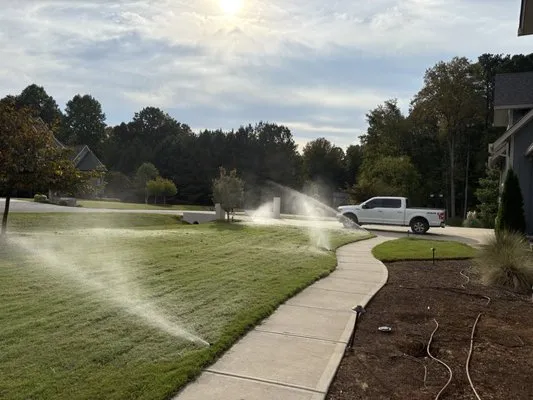
Affordable Landscaping Services in Clayton, NC, is a local landscaping company dedicated to solving common yard problems for our Johnston County neighbors. We specialize in practical, durable solution...

I'm Marlon, the owner of Mocho Lawn Care and Landscaping in Garner. My passion has always been working outdoors to transform spaces. There's a deep satisfaction in seeing a client's reaction when we r...
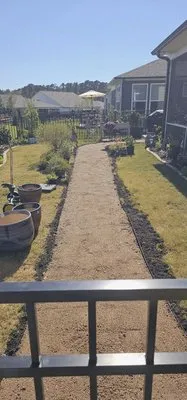
Grand Design was born from a lifetime of passion for the outdoors and hands-on craftsmanship. Owner Sam Dunlap grew up around his father's commercial landscape business, then spent eight years as a st...
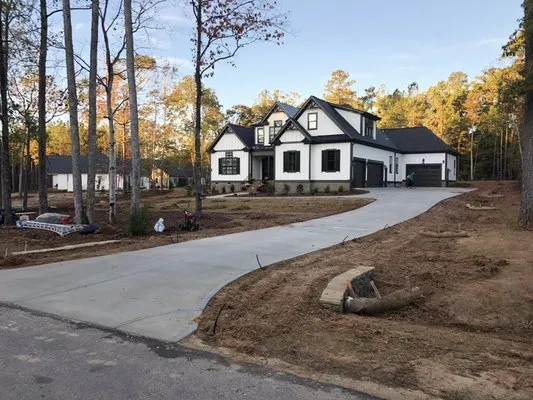
Dreamscapes, LLC has been helping Raleigh area residents and businesses transform their outdoor spaces for over fifteen years. We specialize in turning your vision into reality, from comprehensive lan...
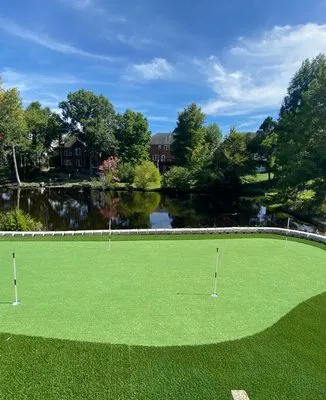
ProGreen in Raleigh specializes in transforming outdoor spaces with durable, low-maintenance artificial turf. We provide complete installation services using 100% USA-made synthetic grass, rigorously ...
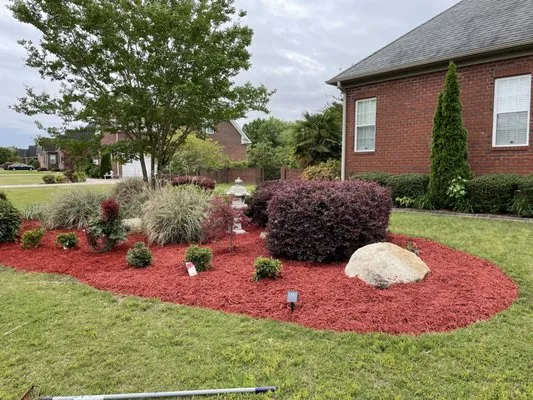
Henry Burger Landscaping and Lawn Services is a trusted local provider in Wilson, NC, specializing in comprehensive outdoor solutions. We address common Wilson landscaping challenges like patchy lawn ...
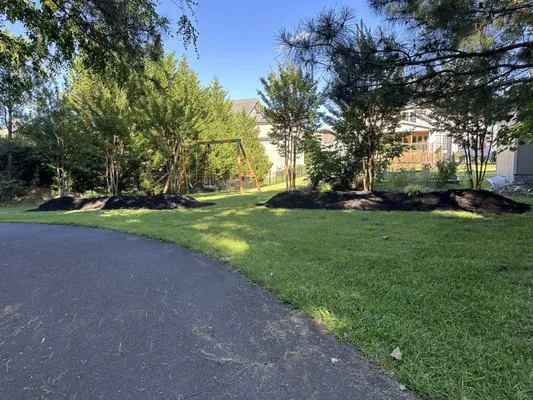
Ty's Scapes is a locally owned and operated landscaping business in Wake Forest, NC, founded in 2024 by Ty, a pre-med biology college student. With two years of hands-on experience gained working for ...
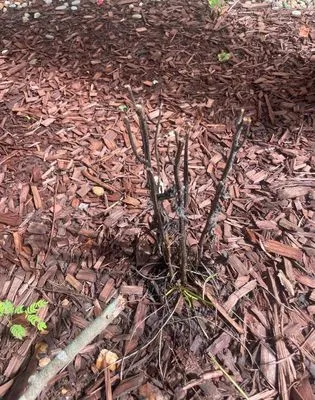
Currin Outdoor Living
Founded by brothers Jon and Matt Currin, Currin Outdoor Living is a Raleigh-based landscape company built on a shared passion for transforming outdoor spaces. Jon brings a deep academic and profession...
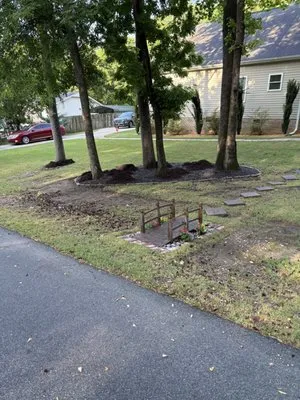
Stix And Stones Landscape is a Raleigh-based provider of comprehensive lawn and landscape services, specializing in solutions for common local challenges like soil compaction and lawn fungus disease. ...
Estimated Landscaping Service Costs in Clayton, NC
Question Answers
What permits and licenses are required for grading my 0.25-acre property?
Grading work exceeding 100 cubic yards requires a land disturbance permit from the Town of Clayton Planning & Inspections Department. The North Carolina Landscape Contractors' Licensing Board mandates specific licensing for projects involving drainage modification or soil movement on quarter-acre lots. Contractors must demonstrate competency in erosion control measures and stormwater management to prevent sedimentation in nearby waterways, with particular attention to phosphorus-free applications near protected buffers.
How quickly can you respond to storm damage for HOA compliance?
Emergency cleanup crews dispatch from Clayton Community Park via US-70 Business, reaching Riverwood Athletic Club properties within 25-35 minutes during peak response windows. This routing avoids residential congestion while maintaining accessibility to equipment staging areas. Our electric maintenance fleet operates within Clayton's 9:00 PM to 7:00 AM noise ordinance restrictions, allowing extended work hours without disturbance.
What solutions address seasonal water pooling in my yard?
High clay content in Clayton's Ultisols creates seasonal saturation issues, particularly during spring thaw periods. Installing modular concrete pavers with permeable joints allows 80-90% of stormwater to infiltrate rather than runoff. This approach meets Town of Clayton Planning & Inspections Department standards for on-site water management while preventing soil erosion. French drains connected to dry wells provide additional capacity for properties with persistent drainage challenges.
What invasive species threaten Clayton landscapes, and how should I manage them?
Japanese stiltgrass and Chinese privet present significant invasive threats in Johnston County, outcompeting native Beautyberry and Joe-Pye Weed. Manual removal before seed set combined with targeted glyphosate applications during dry periods proves most effective. These treatments avoid Clayton's phosphorus-free fertilizer requirements near riparian buffers while preventing chemical runoff into local watersheds. Regular monitoring during peak growing seasons prevents establishment of new invasive populations.
How can I reduce landscape maintenance while supporting local ecology?
Transitioning from high-maintenance turf to native plantings like Eastern Redbud, Switchgrass, and Purple Coneflower creates self-sustaining ecosystems that require minimal intervention. These species support 2026 biodiversity standards while eliminating weekly mowing and reducing irrigation needs by 60-70%. Electric maintenance equipment operates quietly within Clayton's noise ordinance, replacing gas-powered blowers that face increasing restrictions in urban-wildland interface zones.
Why does my Riverwood Athletic Club lawn struggle despite regular care?
Clayton's 2005-built homes have 21-year-old soil profiles where original construction compaction persists. Ultisols with sandy loam texture in this neighborhood typically develop pH levels of 5.5-6.2, creating acidic conditions that limit nutrient availability. Annual core aeration combined with organic amendments like composted pine bark improves soil structure and microbial activity. This addresses the common issue of poor root penetration in established Riverwood Athletic Club landscapes.
Are modular concrete pavers better than wood for Clayton's climate and fire safety?
Modular concrete pavers offer superior longevity in USDA Zone 8a, with 25-30 year lifespans compared to wood's 10-15 years in humid conditions. Their non-combustible nature supports Clayton's Moderate Fire Wise rating by creating defensible space around structures. Unlike wood decking that requires annual sealing, concrete pavers maintain stability through freeze-thaw cycles while providing ADA-compliant surfaces for accessible design in urban-wildland interface areas.
Can I maintain healthy turf while following Clayton's water conservation guidelines?
Wi-Fi ET-based weather sensing controllers automatically adjust irrigation schedules using real-time evapotranspiration data from local weather stations. This technology reduces water application by 20-30% compared to traditional timers while preserving Tall Fescue or Centipede grass health. During normal water restriction periods with voluntary conservation, these systems prioritize deep, infrequent watering that encourages drought-tolerant root development in USDA Zone 8a conditions.
