Top Landscaping Services in Claremont, NC, 28610 | Compare & Call
There are 196 landscaping companies server in Claremont NC
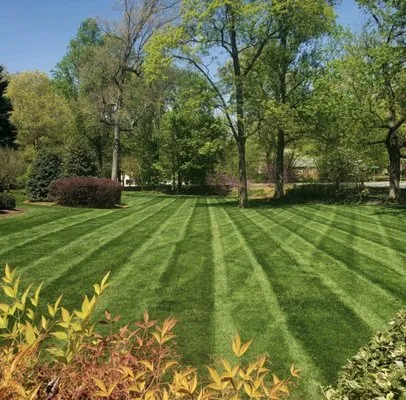
Penscape Landscaping is a locally owned and operated landscaping company serving Conover, NC, and the greater Catawba County area since 2001. Founded by a local horticulture specialist with deep roots...
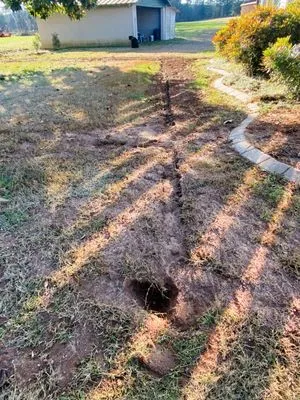
Southern Creations Landscaping in Maiden, NC, is your local partner for building and maintaining the outdoor space you envision. Founded on a commitment to trust and lasting relationships, we go beyon...
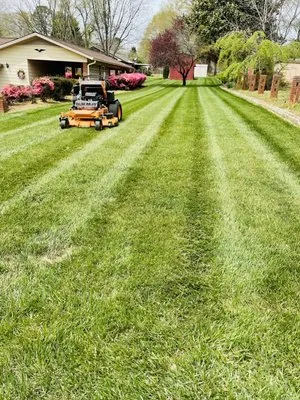
Cut N Dry Landscaping is a locally owned and operated business proudly serving Hickory and Catawba County, North Carolina. We specialize in comprehensive lawn care, gardening, and junk removal service...

D&A Landscaping is a trusted, locally-owned lawn service provider in Hickory, NC, dedicated to creating and maintaining healthy, beautiful outdoor spaces. We specialize in comprehensive lawn care, foc...

DJ's Lawn Care & Landscaping has been a trusted name in Statesville since 2009, built on a foundation of prioritizing customer needs. We've evolved from a small operation into a fully-insured, full-se...
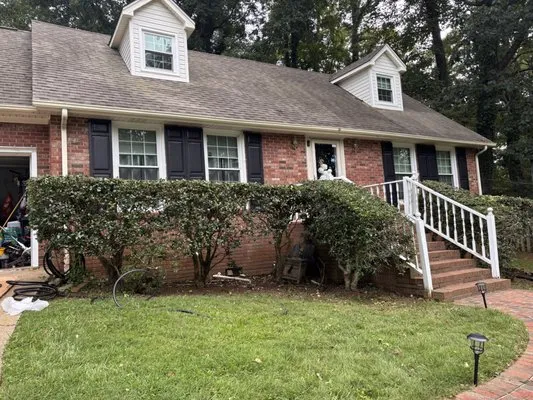
Diaz Lawn Care in Conover, NC, is your trusted local provider for both lawn care and professional auto detailing. For your property, we offer comprehensive lawn services designed to tackle common loca...
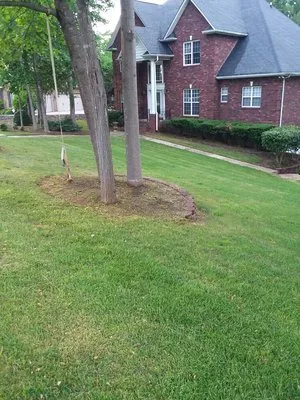
Ross Lawn Care has been a trusted landscaping partner for Morganton, NC residents and businesses for over 25 years. We specialize in comprehensive outdoor solutions, from routine lawn maintenance and ...
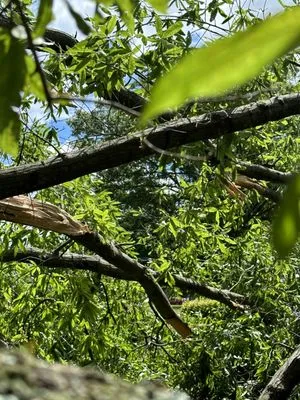
TD&A Grading and Landscaping is a trusted local business in Taylorsville, NC, specializing in comprehensive landscaping solutions. We help homeowners tackle common issues like mulch bed weeds and irri...

ER Landscape & Mosquito Control is a trusted, full-service provider in Conover, NC, specializing in pest control, landscaping, and irrigation. We help local homeowners and businesses tackle common out...

Prime Time Property Services is your trusted, locally owned property maintenance partner in Lenoir, NC. We are a fully insured, one-stop shop dedicated to enhancing and protecting both residential and...
Estimated Landscaping Service Costs in Claremont, NC
Question Answers
What permits and licenses are required for regrading my 0.35-acre property?
Grading work on 0.35-acre lots requires Catawba County Planning & Development permits for any soil disturbance exceeding 100 cubic yards. Contractors must hold North Carolina Landscape Contractors Licensing Board certification for earthmoving operations. This licensing ensures proper erosion control implementation and compliance with state sedimentation laws. Unlicensed grading risks significant fines and may void property insurance during storm events due to improper drainage modifications.
How should I handle invasive Japanese stiltgrass without harming nearby waterways?
Japanese stiltgrass requires targeted treatment during its late summer germination window. Manual removal before seed set prevents spread without chemical intervention. For established patches, spot-application of vinegar-based herbicides avoids phosphorus contamination regulated near waterways. Treatment timing must avoid statewide phosphorus application blackout dates typically in spring runoff periods. Consistent monitoring and mycorrhizae inoculation of native plants creates competitive exclusion against future invasions.
How quickly can you respond to an HOA violation notice for overgrown vegetation?
Emergency cleanup crews dispatch from Claremont City Hall with direct I-40 access to Claremont Town Center. This routing ensures 20-30 minute arrival during peak hours for immediate compliance work. Electric maintenance equipment operates within standard daytime decibel limits (7 AM - 9 PM) while addressing overgrowth. The response prioritizes visible front-yard areas first to satisfy HOA requirements within the initial service window.
What solutions exist for persistent puddling in my backyard after storms?
Moderate runoff issues in Claremont's clay-heavy Cecil soils require permeability-focused solutions. Installing permeable concrete pavers or crushed granite hardscapes creates infiltration zones that meet Catawba County Planning & Development runoff standards. These materials allow 80-95% of rainfall to percolate into subsoil layers. Combining permeable surfaces with French drains or dry creek beds addresses both surface water and subsurface compaction simultaneously.
Are concrete pavers or wood decking better for longevity and fire safety?
Concrete pavers provide superior longevity and fire resistance compared to wood in Claremont's moderate Firewise USA zone. Pavers maintain structural integrity for 25+ years without deterioration, while wood requires chemical treatments that can leach into soils. For defensible space requirements, non-combustible materials like crushed granite or concrete create essential firebreaks. These materials also withstand freeze-thaw cycles in USDA Zone 7b without the maintenance demands of wood alternatives.
Why does my Claremont Town Center lawn struggle despite regular care?
Properties in Claremont Town Center built around 1990 have 36-year-old soil systems. The Cecil Sandy Loam ultisol common here has naturally low pH (5.5-6.0) and develops significant clay-heavy subsoil compaction over decades. This compaction reduces soil percolation and root penetration. Core aeration with organic amendments like composted pine bark fines addresses both pH adjustment and permeability issues simultaneously.
Can I maintain Tall Fescue turf during Claremont's voluntary water conservation periods?
Wi-Fi ET-based weather sensing controllers optimize Tall Fescue irrigation by calculating actual evapotranspiration rates. These systems automatically adjust watering schedules based on real-time weather data, reducing water use 20-30% while maintaining turf health. During Stage 0 voluntary conservation, this technology prevents overwatering while preserving soil moisture. Properly programmed controllers deliver water during optimal absorption windows, minimizing runoff on Claremont's compacted subsoils.
What are low-maintenance alternatives to traditional lawn that reduce noise and water use?
Transitioning to native plantings like Eastern Redbud, Switchgrass, and Purple Coneflower creates resilient landscapes requiring minimal inputs. These species establish deep root systems that improve soil structure and drought tolerance. Electric maintenance equipment servicing these plantings operates below noise ordinance thresholds while eliminating gas emissions. This approach aligns with 2026 biodiversity standards and reduces watering needs by 60-80% compared to traditional turf.
