Top Landscaping Services in Chapel Hill, NC, 27514 | Compare & Call
There are 198 landscaping companies server in Chapel Hill NC
Alpine Tree Service is a trusted local landscaping and tree care provider serving Chapel Hill, NC. We specialize in landscape maintenance and tree care services, helping homeowners tackle common local...

Native Sun Landscape Design
Native Sun Landscape Design is a Carrboro-based firm specializing in holistic, sustainable landscape solutions tailored to the local climate and soil. We address common area challenges like poor lawn ...
S & S Landscaping is a trusted local provider serving Chapel Hill, NC, with a focus on practical, effective solutions for common regional lawn challenges. We specialize in addressing the frequent issu...
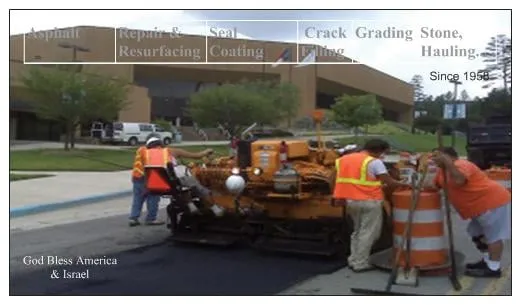
Kapusnik Paving is a family-owned and operated asphalt service provider that has been serving the Roxboro, NC community since 1947. Specializing in asphalt paving, seal coating, crack filling, and con...
Sutton Tree & Grading is a trusted, locally-owned Pittsboro business specializing in landscaping and tree care. We understand the specific challenges homeowners face in our area, such as dying shrubs ...
With 17 years of dedicated experience serving Youngsville, NC, we specialize in transforming outdoor spaces into beautiful, functional landscapes. Our expertise includes landscape construction and gre...
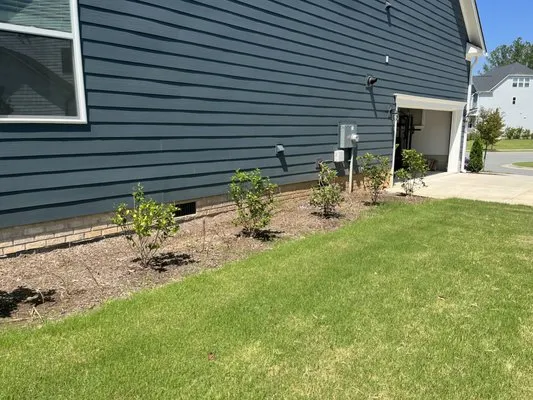
Earthworks Landscaping is your dedicated Knightdale partner for creating and maintaining beautiful, functional outdoor spaces. We understand the specific challenges local homeowners face, from poor la...
Expert Tree Care is a Chapel Hill-based landscaping service dedicated to preserving the health and beauty of local properties. We specialize in addressing common regional challenges like tree root law...
All American Lawn Care & Landscaping is Chapel Hill's trusted local partner for achieving and maintaining a healthy, vibrant lawn. We understand the common local challenges homeowners face, from patch...
Encore Landscaping serves Durham, NC homeowners by transforming common landscape challenges into beautiful, sustainable outdoor spaces. We specialize in comprehensive design solutions that address loc...
Estimated Landscaping Service Costs in Chapel Hill, NC
Frequently Asked Questions
Do permeable clay pavers offer better longevity than wood decking?
Permeable clay pavers typically last 25+ years with minimal maintenance, compared to wood's 10-15 year lifespan requiring regular sealing and replacement. Their non-combustible nature supports Chapel Hill's Moderate Fire Wise rating by creating defensible space in high-risk zones. Clay's thermal mass moderates surface temperatures, reducing urban heat island effect. Unlike wood, clay pavers won't rot, warp, or attract termites, making them superior for long-term landscape infrastructure in our climate.
What licensing requirements apply to grading my 0.35-acre property?
Grading work exceeding 100 cubic yards of earth movement requires permits from the Town of Chapel Hill Planning and Development Services. The North Carolina Landscape Contractors' Licensing Board mandates specific licensing for projects involving drainage alteration or structural changes. On 0.35-acre lots, even modest regrading often triggers these requirements due to stormwater management implications. Hiring properly licensed professionals ensures compliance with sedimentation control ordinances and protects against liability for downstream runoff damage.
How quickly can you respond to an emergency tree cleanup for HOA compliance?
Emergency storm response from our central dispatch near the University of North Carolina at Chapel Hill typically requires 20-30 minutes during peak conditions. The route via I-40 to Greenwood allows efficient access despite traffic patterns. Our electric maintenance fleet operates within Chapel Hill's noise ordinance restrictions, permitting work after 7:00 AM on weekdays. This combination ensures timely compliance with HOA requirements while respecting neighborhood quiet hours.
Why does my Greenwood neighborhood soil seem so compacted and acidic?
Chapel Hill's Greenwood area was primarily developed around 1988, giving soils approximately 38 years of maturation. Cecil Sandy Loam naturally tends toward acidic pH 5.5-6.0, but decades of foot traffic and Piedmont clay compaction have reduced permeability. Core aeration with organic amendments like composted pine bark can improve soil structure and microbial activity. This addresses the common issue of high runoff while maintaining appropriate acidity for native species.
What solutions exist for chronic runoff problems in my yard?
Piedmont clay compaction beneath Cecil Sandy Loam creates impermeable layers that exacerbate runoff. Installing permeable clay pavers instead of traditional concrete allows 80-90% of stormwater to infiltrate naturally. This approach meets Town of Chapel Hill Planning and Development Services runoff standards while reducing erosion. Combined with French drains or dry creek beds, permeable hardscapes transform drainage hazards into functional landscape features that recharge groundwater.
How should I handle invasive species without violating fertilizer regulations?
Japanese stiltgrass and Chinese privet pose significant threats in Chapel Hill's Moderate Urban-Wildland Interface zones. Manual removal during dry periods prevents seed spread, while targeted herbicide applications avoid phosphorus contamination of waterways. Timing treatments outside the town's fertilizer ordinance blackout dates ensures compliance. Integrating mycorrhizae inoculants with native plantings creates competitive ecosystems that naturally suppress invasive reestablishment without chemical dependence.
Can I maintain healthy Tall Fescue turf under Chapel Hill's water restrictions?
Wi-Fi ET-based weather sensing irrigation systems precisely match watering to actual evapotranspiration rates, reducing consumption by 25-40% compared to traditional timers. This technology maintains Kentucky-31 or Turf-Type Tall Fescue viability while complying with Stage 1 voluntary conservation measures. Programming deep, infrequent watering cycles encourages deeper root growth and drought resistance. Municipal water limits become manageable through data-driven irrigation scheduling rather than arbitrary reduction.
Are there alternatives to weekly mowing that reduce maintenance noise?
Replacing high-maintenance turf with native plantings like Eastern Redbud, Purple Coneflower, Switchgrass, and Beautyberry creates self-sustaining ecosystems requiring minimal intervention. These species thrive in Chapel Hill's USDA Zone 8a conditions without frequent mowing or gas-powered equipment. This transition anticipates tightening noise ordinances restricting operations before 7:00 AM on weekdays. Native landscapes also support local pollinators while reducing water and fertilizer requirements substantially.
