Top Landscaping Services in Black Mountain, NC, 28711 | Compare & Call
There are 168 landscaping companies server in Black Mountain NC
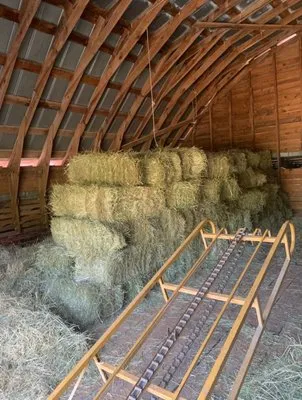
MLN Landscaping is a dedicated, locally-owned landscaping service in Fairview, NC, focused on solving the area's most common outdoor challenges. We specialize in tackling the persistent issues of over...
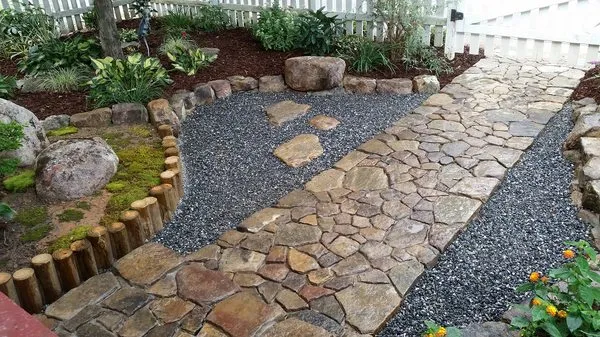
Third Stone Design is a landscaping and tree care service in Asheville, NC, founded by Jeff Harris. Jeff combines formal education in environmental studies and soil science from UNC Asheville with pra...
Smith and Lloyd Landscaping and Design is a full-service landscape partner for homeowners and businesses in Mills River, Hendersonville, and the Greater Asheville area. We combine thoughtful design wi...
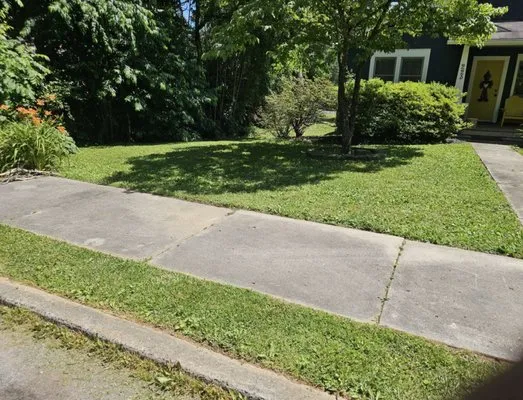
C&G Twice As Nice Lawnservice began with a simple idea five years ago when the owner bought a riding mower and started helping neighbors. That neighborly spirit grew, especially after meeting co-found...

The Lawn Rangers is your trusted local landscaping partner in Flat Rock, NC, dedicated to preserving the beauty and health of your property. We specialize in diagnosing and resolving the common local ...
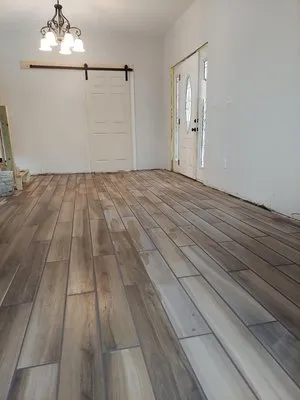
Based in Candler, NC, Babcat Fence and Deck is your local partner for enhancing outdoor living spaces. Founded in 2018 with over 20 years of combined experience, we specialize in professional deck con...
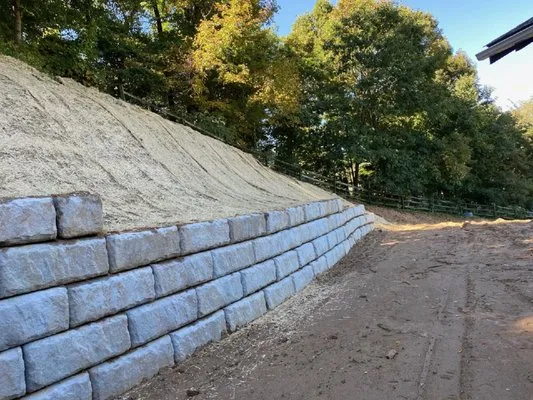
Four Seasons Property Enhancements
Founded in 2015, Four Seasons Property Enhancements is a full-service landscaping company dedicated to transforming outdoor spaces in Sylva, NC, and across Western North Carolina. We specialize in cre...
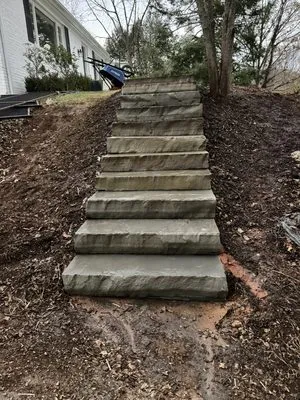
Urbina's Landscaping is a Fletcher-based company providing comprehensive outdoor solutions for homeowners throughout Henderson County. We specialize in addressing common local landscape challenges, in...
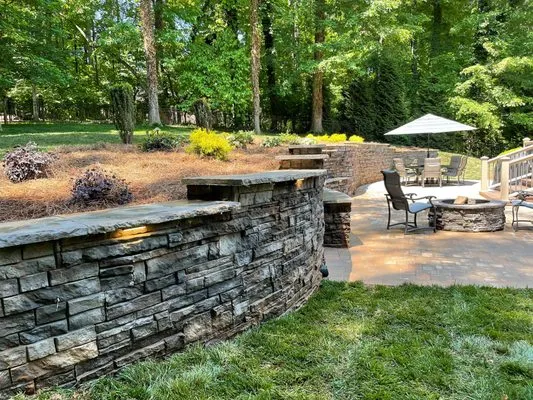
Appalachian Landscaping is a full-service landscaping company dedicated to enhancing the beauty and health of outdoor spaces in Candler, NC, and the surrounding Asheville area. We understand that loca...
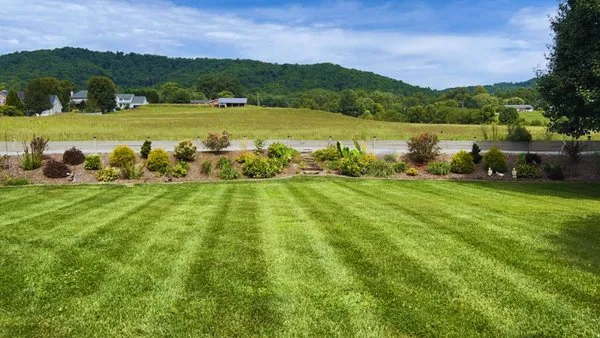
Quintessential Greenscapes is a full-service residential and commercial landscaping company serving Asheville, NC. We specialize in comprehensive year-round maintenance packages that include mowing, m...
Estimated Landscaping Service Costs in Black Mountain, NC
Question Answers
How quickly can you respond to storm damage for HOA compliance?
Emergency cleanup crews dispatch from Lake Tomahawk Park via I-40, reaching Downtown Black Mountain properties within 20-30 minutes during peak response windows. This routing avoids residential bottlenecks while accommodating the 7:00 AM - 9:00 PM noise ordinance for electric equipment operation. For fallen limbs exceeding 6-inch diameter, certified arborists coordinate with the Town of Black Mountain Planning & Development for right-of-way permits before removal.
What permits and licenses are needed for grading my property?
Grading work on 0.35-acre lots requires an erosion control permit from the Town of Black Mountain Planning & Development when disturbing over 1,000 square feet. Contractors must hold active licensing through the North Carolina Landscape Contractors' Licensing Board for earthmoving exceeding 50 cubic yards. These regulations ensure proper sediment barrier installation and post-construction stabilization, particularly important given the area's high slope erosion hazards.
How do I control invasive species without violating fertilizer laws?
Japanese stiltgrass and Chinese privet invasions threaten native ecosystems in acidic soils. Manual removal before seed set in late summer avoids phosphorus application restrictions under NC Session Law 2011-394. For persistent infestations, targeted glyphosate applications during dormancy (November-February) minimize runoff risks. Always verify treatment dates with the North Carolina Landscape Contractors' Licensing Board to comply with blackout periods near waterways.
Is fieldstone or wood better for patio construction?
Blue Ridge Mountain Fieldstone outperforms wood in longevity, with 50+ year service life versus 10-15 years for pressure-treated timber. The stone's thermal mass moderates temperature extremes while meeting WUI Zone 2 defensible space requirements through non-combustible construction. Permeable fieldstone installations reduce runoff coefficients to 0.30-0.40 versus 0.85-0.95 for concrete, significantly decreasing erosion on sloped sites.
Should I replace high-maintenance turf with native plants?
Transitioning Tall Fescue areas to Rhododendron maximum and Bee Balm stands reduces mowing frequency from weekly to seasonal maintenance, aligning with emerging electric equipment mandates under noise ordinances. Native plant communities require 80% less irrigation and support 3-5 times more pollinator species than monoculture turf. This approach meets WUI Zone 2 defensible space requirements while eliminating gas-powered blower use during restricted hours.
What solutions prevent erosion on steep Black Mountain slopes?
High slope erosion in acidic Ultisols requires terracing with Blue Ridge Mountain Fieldstone retaining walls, which the Town of Black Mountain Planning & Development permits when permeability exceeds 5 inches per hour. French drains lined with geotextile fabric intercept subsurface flow, while rain gardens planted with Joe Pye Weed manage surface runoff. These systems reduce flash flooding risks by slowing water velocity and increasing infiltration rates by 60-70%.
Why does my Black Mountain yard have such poor drainage and acidic soil?
Properties in Downtown Black Mountain built around 1983 have soil that has matured for approximately 43 years. This acidic Ultisol (pH 5.0-5.5) develops from decades of pine needle decomposition and mineral leaching common in the Blue Ridge foothills. The low pH inhibits microbial activity and reduces permeability, creating compaction layers that require core aeration. Annual applications of calcitic lime and organic compost can gradually raise pH to 6.0-6.5, improving soil structure for Mountain Laurel and Flame Azalea establishment.
Can I maintain Tall Fescue turf under Stage 1 water restrictions?
Smart Wi-Fi soil moisture sensing controllers optimize irrigation by tracking evapotranspiration rates and soil tension at root zones. These systems apply 0.75-1.0 inches weekly during April-October, aligning with municipal water limits while preventing drought stress. For 0.35-acre lots, zoning separates turf areas from native plant beds, reducing overall water demand by 30-40% compared to traditional timer-based systems.
