Top Landscaping Services in Biltmore Forest, NC, 28803 | Compare & Call
There are 188 landscaping companies server in Biltmore Forest NC
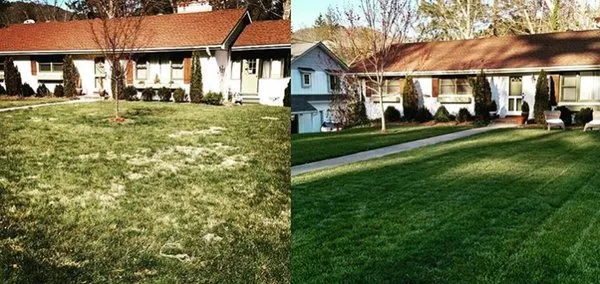
Clean Air Lawn Care is an Asheville-based organic lawn service founded by Brandon, who combines his passion for the outdoors with sustainable practices. After working with the previous owner, Brandon ...
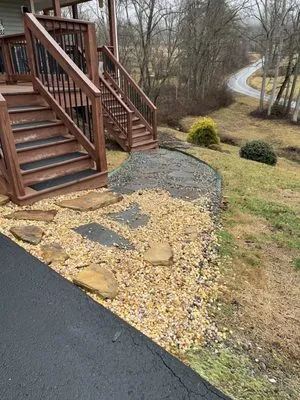
ABR Landscaping & Hardscaping is a full-service landscaping company serving Asheville, NC and the surrounding areas. We specialize in comprehensive landscape solutions including design, construction, ...
Giovanni Gamez is a dedicated Weaverville landscaper with over a decade of experience serving Western North Carolina. Born and raised in Haywood County, his passion for the outdoors and hiking informs...
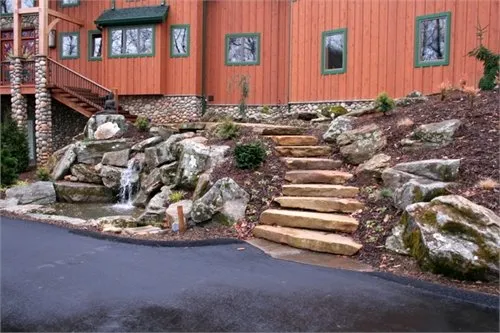
Tanbark Landscape Company
Tanbark Landscape Company has been serving the Swannanoa community since 1985, providing professional landscaping services with a focus on quality and reliability. Specializing in landscape design, wa...
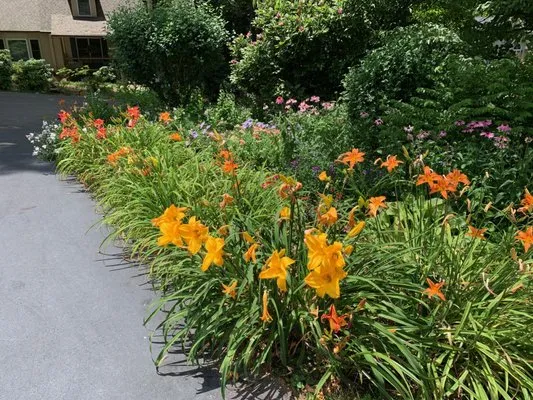
Those Guys Landscaping is a locally-owned Asheville landscaping company with deep roots in the community. We bring over 20 years of combined experience from working in North Carolina, Montana, and New...
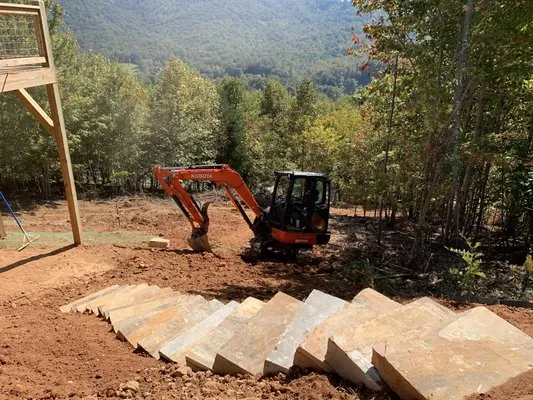
River Side Outdoor is a locally owned and operated landscaping, masonry, and tree service company serving Asheville, NC. We specialize in transforming outdoor spaces through comprehensive services inc...
JB Lawncare is a trusted Asheville-based landscaping and handyman service dedicated to solving the region's most common lawn challenges. We specialize in diagnosing and treating stubborn lawn fungus d...
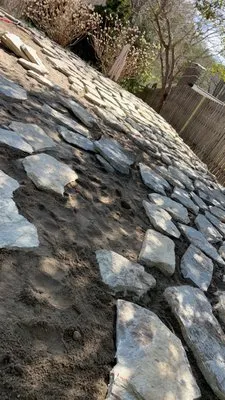
Brothers Multiservice, based in Asheville, NC, is a local landscaping company dedicated to enhancing the natural beauty of our Western North Carolina community. As a family-owned and operated business...
Competitive Edge Landscaping is a dedicated Asheville, NC landscaping company focused on solving common local lawn and irrigation problems. Many homes in the area struggle with sprinkler coverage gaps...
Vallejo Landscaping is your local Asheville partner for a healthy, vibrant lawn. We understand the unique challenges Western North Carolina yards face, from persistent moss growth in shaded areas to u...
Estimated Landscaping Service Costs in Biltmore Forest, NC
Q&A
How can I reduce maintenance while preparing for upcoming electric equipment requirements?
Replacing 30-40% of Tall Fescue with Eastern Redbud, Mountain Laurel, and Switchgrass natives reduces mowing frequency from weekly to monthly during growing seasons. These deep-rooted species require 70% less water than turf while providing year-round structure. Transitioning to electric blowers and mowers now avoids future noise ordinance conflicts, with native plantings creating natural mulch layers that eliminate 50% of seasonal debris removal needs.
Why does my Biltmore Forest yard have such dense, compacted soil that struggles to absorb water?
Biltmore Forest lots average 63 years of soil development since typical 1963 construction, resulting in mature Ultisol clay loam with pH 5.5-6.2. Decades of foot traffic and equipment compaction have reduced permeability to 0.5 inches per hour in Residential Core areas. Core aeration every 2-3 years with 3-4 inch depth penetration, combined with 2-3 cubic yards of compost per 1000 square feet, increases soil organic matter to 5% and improves water infiltration by 40%.
Why choose fieldstone over wood for retaining walls in fire-prone areas?
Fieldstone walls provide 50+ year durability versus wood's 15-20 year lifespan in humid Zone 7a conditions, with zero maintenance beyond occasional joint repointing. For Moderate WUI Zone 2 compliance, non-combustible materials create defensible space by interrupting fuel continuity within 30 feet of structures. Permeable installation methods using 3/4-inch crushed stone base prevent water buildup behind walls, addressing both fire safety and drainage requirements simultaneously.
How do smart irrigation systems help maintain Tall Fescue during voluntary water conservation periods?
Wi-Fi ET-based controllers calculate daily evapotranspiration rates using local weather station data, adjusting runtime to deliver 1-1.5 inches weekly to Tall Fescue root zones. During Normal conservation status, systems automatically reduce output by 20% during peak demand hours while maintaining 85% turf health. Soil moisture sensors at 6-inch depth prevent overwatering clay soils, typically saving 8,000-12,000 gallons monthly on 0.75-acre properties compared to traditional timer systems.
What invasive species threaten Biltmore Forest landscapes, and how are they managed safely?
Japanese stiltgrass and Chinese privet present primary invasion risks in Zone 7a, outcompeting native understory within 2-3 growing seasons. Manual removal before seed set in late summer, followed by targeted glyphosate applications during dormancy, achieves 90% control without violating phosphorus restrictions near water bodies. We schedule treatments outside March-October blackout dates for sensitive areas, using soil tests to ensure amendments stay within 5.5-6.2 pH range for native establishment.
How quickly can you respond to storm damage that violates HOA landscape standards?
Emergency cleanup crews dispatch from the Biltmore Forest Country Club maintenance facility, taking I-26 eastbound to Residential Core access points within 20-30 minutes during peak conditions. Our electric fleet operates within Mon-Sat 7am-7pm noise ordinance windows while providing immediate debris removal. We prioritize safety hazards first, then address HOA compliance issues like fallen limbs obstructing sight lines or damaged hardscapes within 48 hours of storm declaration.
What solutions address moderate runoff problems in Biltmore Forest's clay-heavy soils?
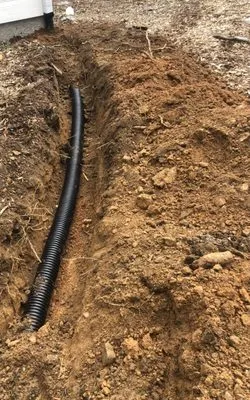
High clay content saturation requires graded swales directing water away from foundations at 2% minimum slope. Fieldstone dry creek beds with 12-18 inch depth and modular permeable pavers with 30% void space meet Town of Biltmore Forest Planning and Zoning runoff standards by increasing infiltration rates to 5 inches per hour. French drains wrapped in non-woven geotextile at 18-24 inch depth intercept subsurface water, reducing surface saturation by 60% during heavy rainfall events.
What licensing and permits are required for regrading my 0.75-acre property?
Grading exceeding 100 cubic yards of soil movement requires Town of Biltmore Forest Planning and Zoning approval with engineered drainage plans. Contractors must hold North Carolina Landscape Contractors Licensing Board certification for earthmoving operations, ensuring proper erosion control during 7-10 day projects. Licensed professionals carry insurance covering $1 million in liability for adjacent property protection, with final inspections verifying slope stability meets 3:1 maximum ratios for residential areas.
