Top Landscaping Services in Bayshore, NC, 28411 | Compare & Call
There are 64 landscaping companies server in Bayshore NC
Carolina Lot Care is a Wilmington, NC-based landscaping and general contracting company dedicated to solving the unique challenges of coastal Carolina properties. We specialize in diagnosing and treat...
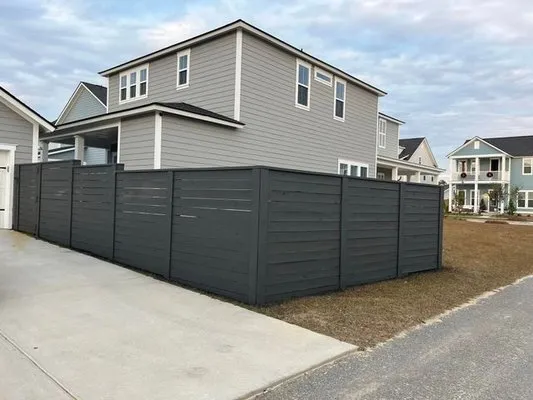
Sea Coast Fence & Yardscape
Sea Coast Fence & Yardscape is a Hampstead-based company dedicated to enhancing outdoor spaces through comprehensive design, construction, and maintenance. We specialize in creating durable and attrac...
Seacoast Landscaping is a Wilmington-based company dedicated to solving common local yard problems. Many homes in the area struggle with standing water that damages lawns and overgrown shrubs that blo...

Lawrence Leaf Gardens is a family-owned and operated landscaping company with deep roots in Wilmington, NC. For 35 years, we've built our reputation on a tradition of reliable, high-quality gardening ...

Garden Concepts is a full-service landscaping and property care company serving Wilmington, NC, and surrounding areas. We specialize in resolving common local landscape challenges, such as overgrown s...
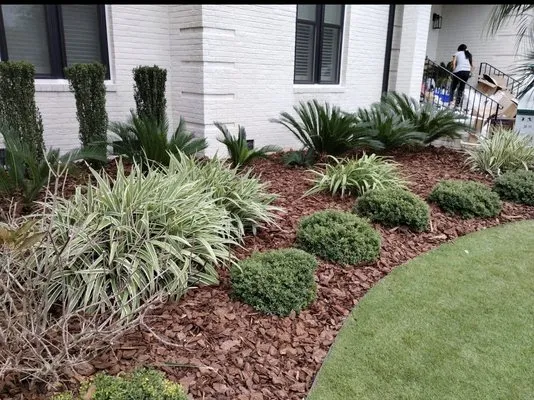
R&K Greenscapes is a family-owned landscaping business serving Leland, NC, founded in 2019 and operated as a father-and-son team. We specialize in comprehensive landscape services including irrigation...

Good Earth Associates is a trusted, licensed commercial landscape contractor based in Castle Hayne, NC. With roots dating back to 1972, our team brings over 50 years of dedicated experience to the uni...
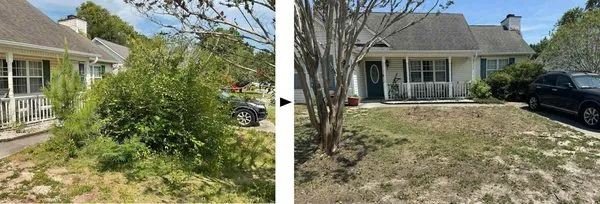
St John's Lawn & Landscape is a trusted local provider in Wilmington, NC, offering comprehensive lawn and tree services to enhance and protect your property. We specialize in lawn care, tree planting,...
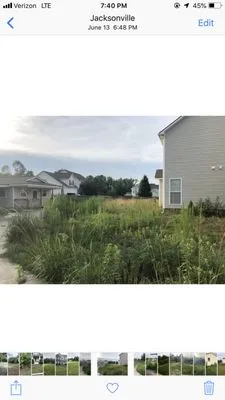
C & C Lawn and Home Services is a locally owned and operated Wilmington business built on a foundation of family values and hands-on experience. Owner Chris, a North Carolina native and family man, st...
CC Home Solutions is a locally owned home services company in Wilmington, NC, dedicated to solving everyday problems for homeowners, renters, landlords, and realtors who need reliable help quickly. We...
Estimated Landscaping Service Costs in Bayshore, NC
Frequently Asked Questions
What invasive species should I watch for, and how do I treat them safely?
In Bayshore, be vigilant for invasive Japanese honeysuckle and Chinese privet. Manual removal is most effective for small infestations. For larger problems, a targeted, systemic herbicide applied in late fall minimizes drift and protects natives. Critically, any product used must be phosphorus-free to comply with NC Session Law 2011-394, and applications must avoid local blackout dates designed to protect our watersheds.
Why does my soil seem so compacted and thin after 28 years in Bayshore Estates?
Properties built around 1998, like yours, have soil that is now 28 years old. This age coincides with the maturation period of Ultisols, our region's sandy loam. Decades of construction compaction and routine maintenance have likely depleted organic matter, reducing permeability and creating a dense, acidic layer that restricts root growth. Core aeration and incorporating compost are not just beneficial but necessary to rebuild soil structure and counteract natural acidity for healthy plant establishment.
How quickly can a crew respond for an emergency storm cleanup to meet HOA compliance deadlines?
For urgent HOA compliance or post-storm cleanup, our dispatch from Bayshore Marina Park via NC-132 allows a peak response time of 25-35 minutes. We prioritize routing that avoids common congestion points to ensure timely arrival. Crews are equipped with electric chippers and hauling capacity to begin immediate debris management, focusing on clearing driveways and public-facing areas to meet standard covenant requirements swiftly.
My yard pools water for days after a rain. What's a lasting solution for Bayshore's high water table?
Poor infiltration in our sandy loam Ultisols is often worsened by a high water table. The solution integrates grading and permeable materials. Installing a channel drain system tied to a dry well can intercept surface flow. Replacing solid concrete with permeable concrete pavers for patios or walkways increases ground absorption, which helps meet New Hanover County Planning & Inspections' standards for managing stormwater runoff on-site.
Does regrading my 0.35-acre lot require a permit and a special contractor?
Yes. Significant regrading that alters water flow or involves moving more than a few cubic yards of soil typically requires a permit from New Hanover County Planning & Inspections. For proper execution, you must hire a contractor licensed by the North Carolina Landscape Contractors Licensing Board. This ensures the work meets engineering standards for drainage and erosion control, which is crucial on a lot of this size to prevent downstream impacts and compliance issues.
How can I keep my Centipedegrass green during Stage 1 water restrictions without overwatering?
Smart Wi-Fi ET-based controllers are the precise tool for this challenge. They adjust runtime by pulling local evapotranspiration data, applying water only when the turf actually needs it. For Centipedegrass in our sandy loam, this often means fewer, deeper cycles that encourage drought-tolerant roots. This method consistently stays within voluntary conservation limits by eliminating the guesswork and runoff common with traditional timer-based systems.
I want to reduce mowing and gas equipment noise. What are my options?
Transitioning high-maintenance turf to a climate-adaptive landscape is a forward-looking strategy. Replacing areas with a matrix of native Coastal Plain Joe-Pye Weed, Switchgrass, and Beautyberry creates a resilient, low-input habitat. This xeriscape approach dramatically cuts mowing frequency and aligns with the voluntary adoption of quieter electric equipment, future-proofing your property against potential tightening of the daytime 7am-9pm noise ordinance.
Are permeable concrete pavers a better long-term choice than wood decking?
For longevity and fire resilience, permeable concrete pavers are superior. Unlike wood, they require no sealing, resist rot and insect damage, and have a lifespan exceeding 30 years. Their permeability manages runoff, and their non-combustible nature contributes directly to defensible space. This is a material advantage in our Moderate Wildland-Urban Interface rating zone, where creating fire-wise barriers around structures is a recommended practice.
