Top Landscaping Services in Asheville, NC, 28704 | Compare & Call
There are 203 landscaping companies server in Asheville NC
ABR Landscaping & Hardscaping is a full-service landscaping company serving Asheville, NC and the surrounding areas. We specialize in comprehensive landscape solutions including design, construction, ...
A Better Way Tree Service is your trusted local tree and lawn care expert serving Mill Spring, NC. We provide comprehensive services including tree planting, pruning, removal, stump grinding, and dise...
Conard Construction is your trusted local contractor in Candler, NC, offering comprehensive solutions for your property. We handle everything from initial land clearing and precise grading to full-sca...
Giovanni Gamez is a dedicated Weaverville landscaper with over a decade of experience serving Western North Carolina. Born and raised in Haywood County, his passion for the outdoors and hiking informs...
Tanbark Landscape Company
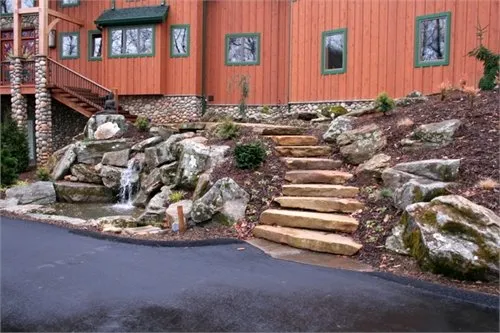
Tanbark Landscape Company has been serving the Swannanoa community since 1985, providing professional landscaping services with a focus on quality and reliability. Specializing in landscape design, wa...
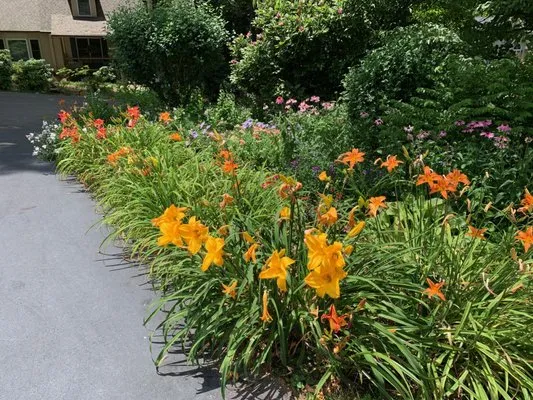
Those Guys Landscaping is a locally-owned Asheville landscaping company with deep roots in the community. We bring over 20 years of combined experience from working in North Carolina, Montana, and New...

The Budd Group is a trusted Asheville-based landscaping company specializing in comprehensive outdoor solutions for local homeowners. Serving the Asheville community, we address common regional challe...
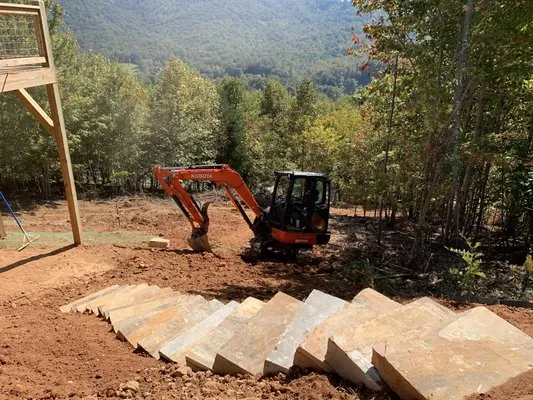
River Side Outdoor is a locally owned and operated landscaping, masonry, and tree service company serving Asheville, NC. We specialize in transforming outdoor spaces through comprehensive services inc...
JB Lawncare is a trusted Asheville-based landscaping and handyman service dedicated to solving the region's most common lawn challenges. We specialize in diagnosing and treating stubborn lawn fungus d...
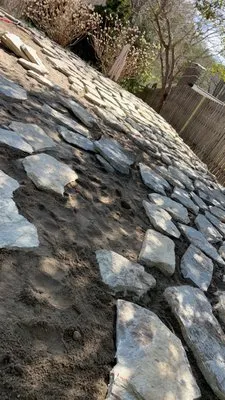
Brothers Multiservice, based in Asheville, NC, is a local landscaping company dedicated to enhancing the natural beauty of our Western North Carolina community. As a family-owned and operated business...
Estimated Landscaping Service Costs in Asheville, NC
FAQs
What permits and licenses are needed for grading my 0.22-acre lot?
Grading projects exceeding 100 cubic yards of earth movement require Asheville Development Services Department permits with erosion control plans. Contractors must hold North Carolina Landscape Contractors' Licensing Board certification for earthwork exceeding $30,000 value. On 0.22-acre Montford lots, steep slopes often trigger additional geotechnical review to prevent downstream impacts. Proper licensing ensures compliance with phosphate-free fertilizer buffers near waterways and adherence to noise ordinance equipment restrictions during implementation.
Are permeable pavers better than wood decking for my outdoor space?
Permeable Blue Ridge Granite pavers offer 50+ year longevity versus wood's 15-25 year lifespan with maintenance. The non-combustible material supports Moderate Fire Wise Rating (WUI Zone 2) compliance by creating defensible space without flammable organic matter. Unlike wood that requires chemical treatments violating fertilizer ordinances, granite maintains structural integrity in acidic soils without leaching compounds. This permanent installation reduces long-term maintenance while providing superior drainage performance on sloped sites.
Why does my Montford yard have such poor drainage and compacted soil?
Asheville's Montford neighborhood has homes averaging 48 years old (2026 minus 1978 build year), creating mature but degraded soil profiles. The acidic Ultisol soil (pH 5.0-6.0) common here naturally compacts over decades, reducing permeability and oxygen availability to roots. Core aeration with organic amendments like composted pine bark addresses this by improving soil structure and microbial activity. This treatment mimics the forest floor conditions native plants evolved with, making it essential for long-term landscape health in older neighborhoods.
How quickly can you respond to an emergency tree cleanup after a storm?
Emergency storm response typically requires 20-30 minutes during peak conditions from our central dispatch near Riverside Cemetery. The route follows I-240 to Montford, allowing efficient access despite steep terrain challenges. Our electric maintenance fleet operates within Asheville's 7:00 AM to 9:00 PM noise ordinance window without gasoline engine restrictions. This combination of strategic location and compliant equipment ensures timely HOA compliance and safety hazard mitigation throughout the neighborhood.
How can I maintain my Tall Fescue lawn during Asheville's dry periods?
Wi-Fi ET-based weather sensing irrigation systems calculate evapotranspiration rates to deliver precise water amounts matching plant needs. This technology maintains Tall Fescue (Festuca arundinacea) health while staying within Asheville's voluntary conservation guidelines. The system automatically adjusts for rainfall, humidity, and temperature variations specific to Montford's microclimate. This approach typically reduces water usage 30-40% compared to traditional timers while preventing the shallow root development caused by overwatering on steep slopes.
What's the best solution for erosion control on my sloped property?
Permeable Blue Ridge Granite pavers create surface water infiltration points that reduce runoff velocity on steep slopes. Combined with French drains and native groundcovers like Switchgrass, this system addresses the high erosion risk in Montford's acidic Ultisol soils. The permeable design meets Asheville Development Services Department runoff standards by allowing 95% of rainfall to percolate naturally. This approach prevents soil loss while recharging groundwater, creating a sustainable alternative to traditional impervious surfaces.
What invasive species should I watch for in Montford?
Japanese stiltgrass and Oriental bittersweet pose significant threats in Asheville's acidic soils, outcompeting natives like Eastern Redbud. Manual removal before seed set combined with targeted organic herbicides avoids phosphate fertilizer ordinance violations near waterways. Treatment timing avoids blackout periods for aquatic protection while preventing soil disturbance that exacerbates erosion. Regular monitoring and immediate response prevent establishment, preserving biodiversity without chemical dependency that harms soil microbiology.
Should I replace parts of my lawn with native plants?
Transitioning high-maintenance turf to Mountain Laurel, Purple Coneflower, and Rhododendron carolinianum reduces mowing frequency and supports 2026 biodiversity standards. Native plantings require less water, no phosphate fertilizers near water bodies, and provide habitat for pollinators. This approach future-proofs your landscape against tightening noise ordinances restricting gas-powered equipment. The deep root systems of native species also stabilize soil better than turfgrass on Montford's slopes while creating year-round visual interest with minimal inputs.
