Top Landscaping Services in Alamance, NC, 27201 | Compare & Call
There are 192 landscaping companies server in Alamance NC
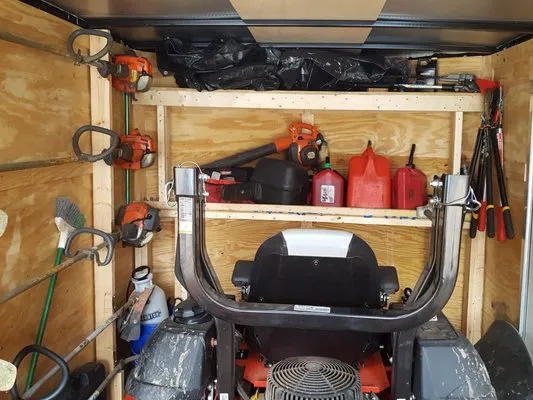
RFLO Lawn Care Services
RFLO Lawn Care Services began as a part-time push mowing operation and has grown into a licensed, full-service landscaping business serving Burlington, NC, and the surrounding 30-mile radius. Founder-...
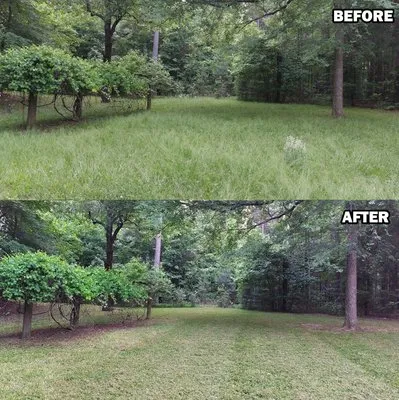
I'm Aaron, the owner and operator of Clark Lawn Care in Liberty, NC. I've been dedicated to grounds and lawn maintenance since 2006, and as a local resident of the Liberty/Burlington area, I understan...
At Premier Hardscapes, our passion is rooted in the work itself. We love partnering with nature to enhance its beauty, transforming Greensboro properties into functional, stunning outdoor spaces. Sinc...
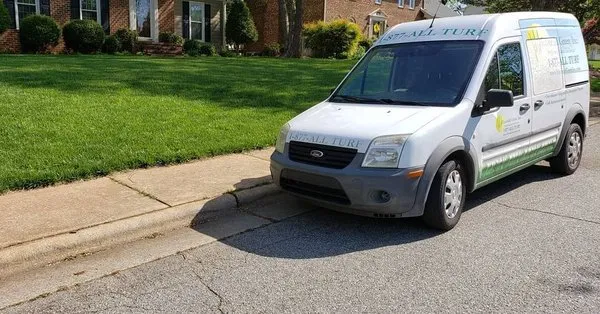
Emerald Green is a family-owned landscaping company serving Whitsett, NC, and surrounding Central North Carolina communities since 1999. With over 24 years of local experience, we specialize in compre...
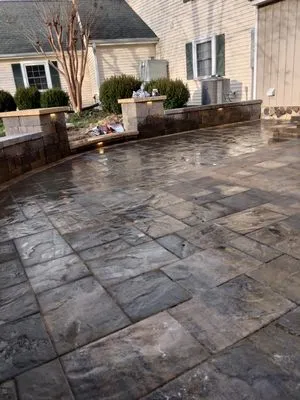
Wilburn Landscape Management is a trusted, locally-owned lawn care provider serving Gibsonville, NC, and the surrounding areas. We specialize in comprehensive lawn care designed to address common loca...
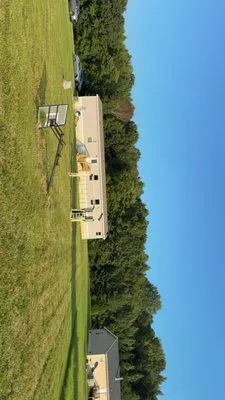
Ez Stripes Landscaping is a locally owned and operated landscaping company serving Graham, NC, and the surrounding areas. We specialize in comprehensive landscape maintenance, lawn care, and a full ra...
HL Landscape & Construction is a Burlington-based company specializing in comprehensive landscaping, hardscaping, and construction services for residential and commercial properties. With expertise ra...

M2G Exterior Cleaning Services in Burlington, NC, is a locally owned and operated business dedicated to enhancing the appearance and longevity of properties throughout the Greensboro-Triad area. We sp...

Axes N Action is a locally owned and operated service provider in Burlington, NC, built on over two decades of hands-on experience. We specialize in helping homeowners manage their outdoor spaces and ...
As a trusted moxibustion center in Moganshan Road, our team of certified therapists specializes in traditional Chinese medicine techniques, including the suspended moxibustion method. We focus on prov...
Estimated Landscaping Service Costs in Alamance, NC
Question Answers
How can I keep my Tall Fescue healthy during Alamance's Stage 1 water restrictions?
Wi-Fi ET-based weather sensing irrigation is the precise solution. This technology automatically adjusts watering schedules based on real-time evapotranspiration data, applying water only when the turfgrass needs it. This method often uses less water than a fixed timer while maintaining Tall Fescue vigor, keeping you well within voluntary conservation guidelines and preventing wasteful runoff.
I want to reduce mowing and gas equipment noise. What are my options?
Transitioning high-maintenance turf areas to a climate-adaptive xeriscape with native plants is a forward-looking strategy. Planting a matrix of Switchgrass, Little Bluestem, Butterfly Milkweed, and Purple Coneflower creates a resilient, low-water landscape that supports 2026 biodiversity goals. This reduces weekly mowing frequency and aligns with evolving noise ordinances that increasingly restrict gas-powered blowers and mowers.
We have an HOA violation notice for overgrowth and need emergency cleanup. How quickly can a crew arrive?
For urgent HOA compliance, dispatch from a central location like the Alamance Battleground State Historic Site allows for efficient routing. Using I-85/I-40, a dedicated crew with electric equipment can typically reach Alamance Village neighborhoods within the 25-35 minute peak storm response window. This ensures work can begin promptly within standard noise ordinance hours.
What invasive species should I watch for, and how do I treat them correctly?
In Alamance County, primary invasive alerts include Japanese Stiltgrass and Chinese Privet. Manual removal for small infestations is effective. For larger issues, targeted herbicide application must follow the NCDA&CS Nutrient Management Guidelines, which include specific blackout dates to protect water quality. Always identify the species first, as treatment timing and method are critical for eradication without harming native Eastern Redbuds or other desirable plants.
Water pools in my yard after heavy rain. What's a lasting fix for our clay-heavy soil?
Surface ponding is a direct result of the low permeability in subsoil clay layers. Beyond regrading, integrating permeable modular concrete pavers for patios or walkways creates critical infiltration points. For French drains or dry creek beds, using Appalachian Fieldstone provides both function and a natural aesthetic. These solutions help manage runoff to meet Alamance County Planning Department's stormwater standards.
Why is proper licensing so important for grading and drainage work on my 0.35-acre lot?
Altering the grade on any parcel, including a 0.35-acre lot, impacts water flow to adjacent properties and public infrastructure. The Alamance County Planning Department requires permits for significant earth movement. Only contractors licensed by the North Carolina Landscape Contractors' Licensing Board carry the mandated insurance and have passed exams on state laws, hydrology, and best practices, ensuring the work is legally and technically sound.
Are modular concrete pavers a better long-term choice than wood for a new patio?
For longevity and reduced maintenance in Zone 8a, modular concrete pavers significantly outperform wood. They resist rot, insect damage, and weathering without requiring annual sealing. From a Firewise USA perspective, their non-combustible nature is advantageous for creating the recommended defensible space in moderate-risk zones. Their modularity also allows for better permeability than solid concrete pours.
My lawn in Alamance Village seems thin and compacted. Could the soil history be the cause?
Properties built around 2003, common in this area, have soils with about 23 years of development. The underlying Cecil Sandy Loam (Ultisols) tends to become dense and acidic over time, with pH often dropping to 5.5-6.0. This compaction limits root growth and water percolation. A core aeration program combined with incorporating composted organic matter is the standard remediation to improve soil structure and biology.
