Top Landscaping Services in Whitehall, MT, 59759 | Compare & Call
There are 19 landscaping companies server in Whitehall MT

Fallen Rebels Workshop is a family-owned business in Townsend, MT, dedicated to enhancing and protecting the natural beauty of the local landscape. We believe we have a shared responsibility to care f...
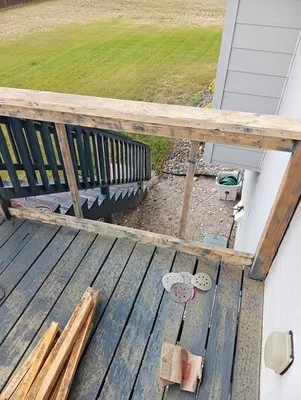
Stewart Family Landscaping in Helena, MT is a locally owned and operated business founded by Sam Stewart, who brings a lifelong passion for landscaping and family-taught expertise to every project. Af...
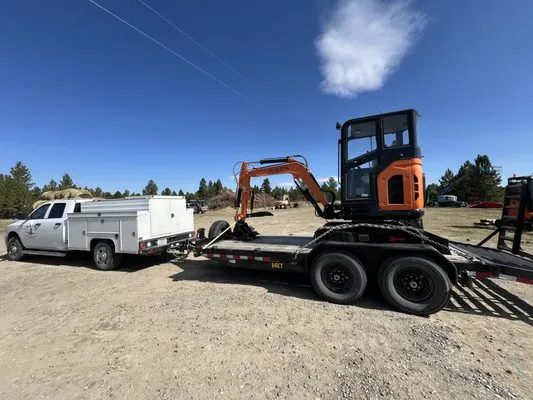
G.R.I.T. Land Partners is a land improvement company based in Three Forks, Montana, serving Gallatin and Broadwater Counties. We provide comprehensive landscaping, hardscaping, and property maintenanc...
Yard Envy is a locally owned and operated business with a decade of experience serving Butte and the surrounding communities. We are committed to reliability and clear communication, making every effo...
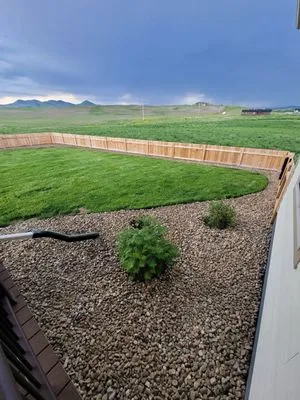
Land Rush Services is a full-service landscaping company serving Three Forks, MT, and the surrounding area. We specialize in transforming outdoor spaces with comprehensive solutions, from earthmoving ...
Mclean Mowing is a dedicated lawn care service in Whitehall, Montana, focused on creating and maintaining healthy, resilient lawns for the local community. Understanding the common regional challenges...
Lawn Pro's Montana is your trusted local lawn care expert serving Whitehall, MT. We specialize in comprehensive lawn care services designed to address the specific landscaping challenges homeowners fa...
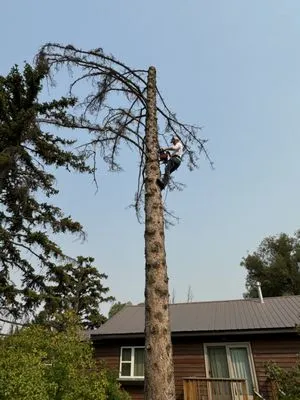
Patterson Lawn & Tree Services is Dillon's trusted partner for comprehensive outdoor care, specializing in lawn services, tree care, and snow removal. Serving the Dillon community, we understand the u...

Grizzly Rose Lawn Care is your trusted local lawn service provider in Whitehall, MT, dedicated to maintaining beautiful and resilient outdoor spaces. We specialize in comprehensive lawn care, addressi...
Estimated Landscaping Service Costs in Whitehall, MT
Question Answers
How do I control invasive weeds without violating fertilizer rules?
Montana's BMP guidelines prohibit nitrogen application before spring thaw, but targeted herbicide spot-treatments for species like Leafy Spurge or Cheatgrass are permissible year-round. Apply glyphosate-based products during active growth phases with surfactant additives for alkaline soil penetration. Manual removal before seed set combined with pre-emergent corn gluten meal applications creates effective control. Always verify treatment dates against local blackout periods to avoid ordinance violations.
Can I reduce maintenance by replacing turf with native plants?
Transitioning to Rocky Mountain Penstemon, Bluebunch Wheatgrass, Blanketflower, and Serviceberry creates a climate-adaptive xeriscape that requires 70% less water than Kentucky Bluegrass. These natives thrive in USDA Zone 4b with minimal irrigation once established, eliminating weekly mowing and reducing gas-blower use. This approach future-proofs your landscape against tightening noise ordinances and supports 2026 biodiversity standards with pollinator habitats.
What solutions prevent spring snowmelt saturation in my yard?
High spring runoff in alkaline silt loam requires permeable hardscaping with local river rock or crushed granite to increase infiltration rates. Installing French drains or dry creek beds with 12-18 inches of gravel base redirects water away from foundations. The Whitehall City Planning Department requires drainage plans that manage runoff on-site, which these materials support through their 40-50% void space. Grading slopes at 2% minimum pitch further prevents pooling during snowmelt events.
How do I maintain Kentucky Bluegrass during Stage 1 water restrictions?
Wi-Fi ET-based weather sensing irrigation systems calculate evapotranspiration rates to deliver precise water volumes only when needed. This technology reduces water use by 20-30% compared to traditional timers while preserving turf health. Programming deep, infrequent watering cycles during early morning hours maximizes absorption and minimizes evaporation. Regular system audits ensure no leaks or overspray, keeping consumption within voluntary conservation guidelines.
What permits and licenses are needed for grading my 0.25-acre lot?
The Whitehall City Planning Department requires grading permits for any excavation exceeding 50 cubic yards or altering drainage patterns. Contractors must hold Montana Department of Labor and Industry licensing for earthwork operations, ensuring compliance with erosion control and stormwater management regulations. On 0.25-acre lots, even minor regrading often triggers review due to runoff impacts on neighboring properties. Always verify contractor licensing through the state database before work begins.
Are crushed granite paths better than wood for fire safety?
Crushed granite or local river rock provides non-combustible hardscaping that meets Moderate Fire Wise WUI Zone 2 defensible space requirements. Unlike wood decking, these materials won't ignite from embers and maintain structural integrity under high heat. Their permeability also reduces flammable vegetation growth along edges. For properties near wildland interfaces, mineral-based hardscapes create 5-30 foot ignition-resistant zones as specified in current fire codes.
Why does my Whitehall Town Center lawn struggle with compaction and poor drainage?
Properties in Whitehall Town Center built around 1963 have soil that has matured for 63 years, developing alkaline silt loam with pH 7.6-8.2. This soil type tends to compact over decades, reducing permeability and creating drainage issues. Core aeration every 2-3 years with organic amendments like composted manure improves soil structure and microbial activity. The alkaline pH also limits nutrient availability, requiring targeted soil testing before amendment applications.
How quickly can you respond to emergency storm damage for HOA compliance?
Our electric maintenance fleet can dispatch from the Jefferson County Fairgrounds via I-90 to reach Whitehall Town Center within 20-30 minutes during peak storm response. This rapid deployment addresses fallen branches, debris clearance, and turf repair while adhering to municipal quiet hours from 10 PM to 7 AM. We prioritize safety assessments and temporary stabilization to meet HOA deadlines before permanent restoration work begins.
