Top Landscaping Services in Wheatland, MT, 59752 | Compare & Call
There are 93 landscaping companies server in Wheatland MT
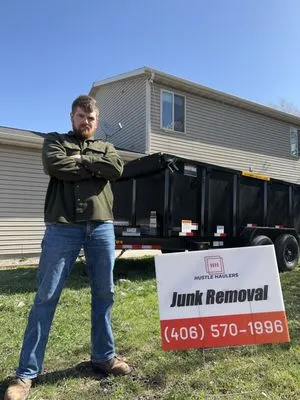
Hustle Haulers is your trusted local partner in Belgrade, MT, for junk removal, hauling, landscaping, and demolition. We understand the common Belgrade-area frustrations of overgrown mulch beds and pa...
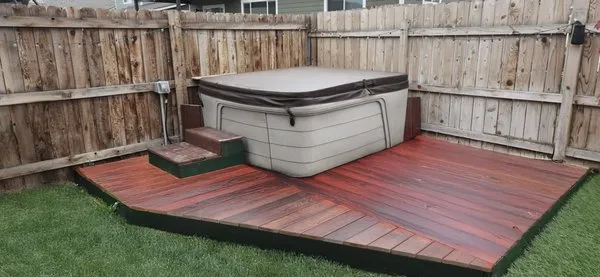
Cloudy Mountain Handyman Services is a locally owned and operated business in Belgrade, MT, founded by DJ Soikkeli. Combining a background in family construction with years of experience as a high sch...
Challenger Landscaping is a Belgrade-based landscaping company dedicated to transforming outdoor spaces with expert design and construction. Serving the local community, we specialize in addressing co...

Grizzly Bear Lawn Care is a Belgrade, MT-based lawn service provider dedicated to maintaining beautiful, healthy yards for local homeowners. We specialize in comprehensive lawn care solutions that add...

Rivers Landscaping is a trusted, locally-owned landscaping and snow removal company serving Belgrade, MT and the wider Gallatin Valley. With over nine years of hands-on experience, we specialize in co...

Yeti Snow and Lawn Services is a locally owned and operated outdoor maintenance company serving Helena, MT, and surrounding areas since 2017. Founded by an owner with over 15 years of commercial const...

Anytime Home Services is your local Bozeman partner for dumpster rental, pressure washing, and lawn care. We provide reliable, eco-friendly solutions for homeowners and businesses across the Gallatin ...
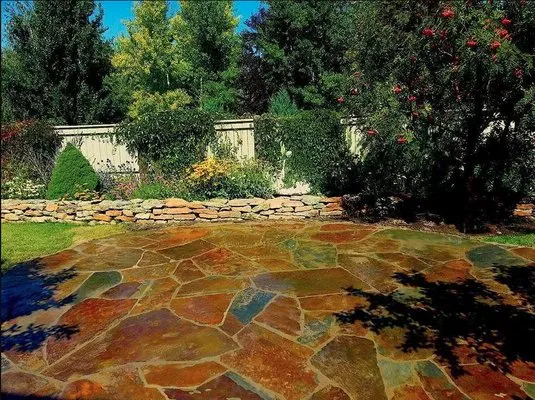
Crowley Construction
Founded in 2007 by a dedicated owner-operator, Crowley Construction began as a trusted excavation and site work provider for homes and structures in the Gallatin Valley. Today, the Belgrade-based comp...

Yard Guard has been a trusted lawn and tree care provider in Bozeman and Southwest Montana since 1993. We specialize in blended organic lawn care and comprehensive tree services, including disease and...

TerraNova LLC is a family-owned and operated weed control service based in Dillon, MT, founded in 2013 by local natives Johnathon and Talitha Ashcraft. Born and raised in the area, they grew up caring...
Estimated Landscaping Service Costs in Wheatland, MT
FAQs
How do smart irrigation systems work during Stage 1 water restrictions?
Smart solar-powered drip controllers use evapotranspiration (ET) data to deliver precise water volumes directly to root zones. These systems maintain Kentucky Bluegrass or Crested Wheatgrass with 30-40% less water than conventional sprinklers. Programming adjusts for soil moisture sensors and weather forecasts, ensuring compliance with voluntary conservation measures. Drip irrigation also reduces evaporation losses common in Wheatland's dry climate.
Should I replace traditional turf with native plants?
Transitioning to Bluebunch Wheatgrass, Blanketflower, Silver Sagebrush, and Rocky Mountain Bee Plant reduces maintenance by 70% while supporting local pollinators. These deep-rooted natives require minimal irrigation once established and tolerate Wheatland's alkaline soil conditions. Native landscapes also align with evolving noise ordinances that restrict gas-powered equipment during quiet hours. This approach creates habitat corridors while reducing carbon emissions from maintenance fleets.
What solutions prevent frost heaving damage to my property?
Seasonal frost heaving in alkaline sandy loam results from low infiltration rates and ice lens formation. Installing permeable crushed Montana river rock in drainage swales improves subsurface water movement. This material meets Wheatland County Planning Department runoff standards while providing structural stability. French drains with proper slope calculations redirect water away from foundations before freeze-thaw cycles begin.
Why does my Wheatland Townsite lawn struggle despite regular watering?
Properties in Wheatland Townsite built around 2006 have alkaline sandy loam soil with pH 7.5-8.2 that has matured for approximately 20 years. This soil type develops compaction layers that restrict root growth and water infiltration. Core aeration combined with organic amendments like composted manure improves soil structure and microbial activity. The alkaline pH also limits nutrient availability, requiring targeted soil testing before fertilization.
Is crushed river rock better than wood for patio surfaces?
Crushed Montana river rock provides superior longevity with minimal maintenance compared to wood decking that requires annual treatment. This material maintains permeability for water infiltration while creating defensible space per Moderate WUI Zone 2 fire ratings. River rock's thermal mass moderates temperature extremes and won't combust during wildfire events. Proper installation with geotextile fabric prevents weed growth and maintains structural integrity for decades.
How do I control invasive weeds without chemical runoff?
Spot-treat invasive species like leafy spurge or cheatgrass with organic herbicides during early growth stages. Mechanical removal followed by native reseeding prevents soil disturbance that triggers further invasion. Follow Best Management Practices for nitrogen runoff by avoiding fertilization before forecasted rain events. Soil testing determines specific nutrient deficiencies rather than blanket applications that could violate local environmental guidelines.
What permits are needed for regrading my 0.35-acre lot?
Grading projects exceeding 100 cubic yards of earth movement require a permit from the Wheatland County Planning Department. Contractors must hold appropriate licensing through the Montana Department of Labor & Industry for excavation work. Professional engineering may be necessary if grading alters drainage patterns affecting neighboring properties. Licensed professionals carry insurance covering potential soil erosion or structural damage during implementation.
How quickly can you respond to emergency storm damage for HOA compliance?
Emergency cleanup crews dispatch from the Wheatland County Courthouse area via US-12, arriving at Wheatland Townsite properties within 45-60 minutes during peak response scenarios. This timeline accounts for debris removal, branch trimming, and temporary erosion control measures. Crews coordinate with HOA representatives to address immediate safety hazards while documenting conditions for insurance purposes.
