Top Landscaping Services in South Browning, MT, 59417 | Compare & Call

There are 16 landscaping companies server in South Browning MT
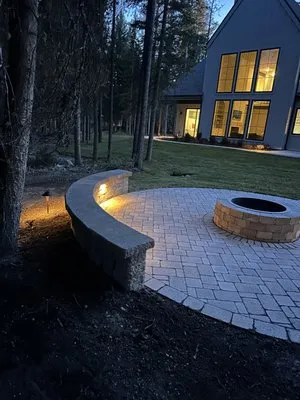
Mann Landscape & Sprinklers is a licensed and insured landscaping and irrigation service provider based in Kalispell, Montana. We specialize in comprehensive residential and commercial projects, from ...

BearDance Forestry is a Veteran and family-owned service based in Bigfork, MT, dedicated to caring for the landscapes of our community. We operate on the belief that working with nature, rather than a...
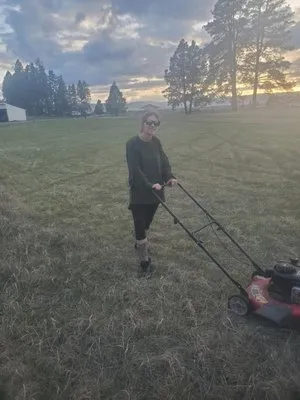
Campbell's Lawn and Garden Service is a Kalispell-based company dedicated to maintaining and enhancing the natural beauty of your property. We provide a comprehensive range of services to keep your ou...
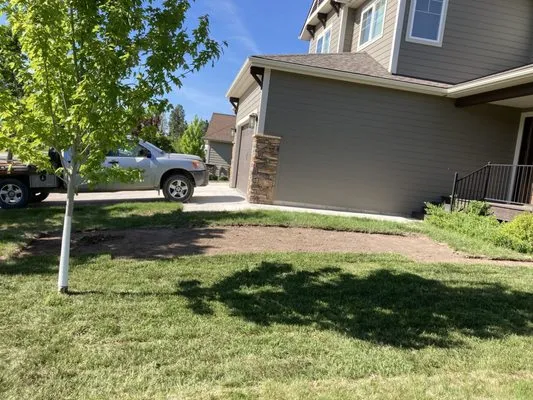
Bradley Landscaping is a local, family-owned business serving the Flathead Valley from Kalispell, Montana. With deep roots in the community, we understand the unique challenges and opportunities prese...
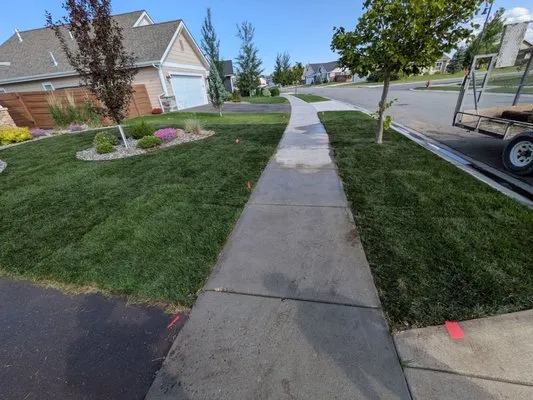
Grass Guard Landscaping is your local partner for year-round property care in Kalispell and the Flathead Valley. We specialize in creating and maintaining beautiful, resilient outdoor spaces suited to...
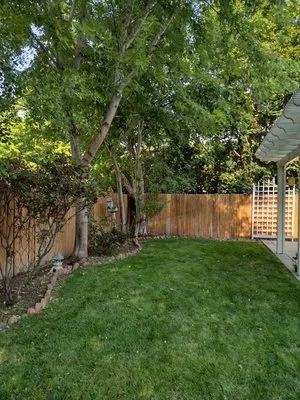
Divine Pine Property Care is a family-owned business serving Kalispell and the surrounding Flathead Valley. We believe meticulous attention to detail transforms a property into a place of peace and pr...

B's Montana Gardens
B's Montana Gardens is a full-service landscaping company serving Kalispell, MT, specializing in comprehensive landscape design, construction, and maintenance. We address common local issues like poor...
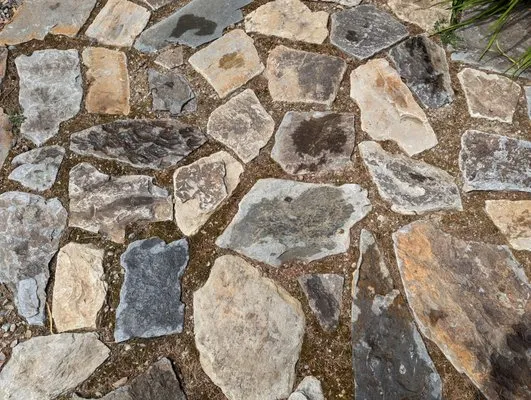
NTG is your trusted local landscaping partner in Evergreen, MT, specializing in comprehensive outdoor solutions. We offer irrigation construction, design, and repair; landscape construction, design, a...
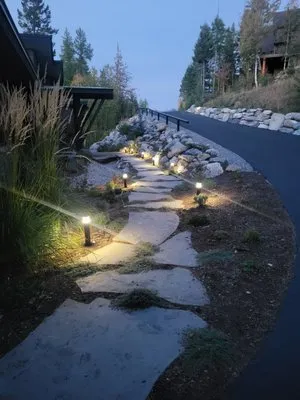
Work Horse Landscaping in Creston, MT, specializes in creating and maintaining beautiful, functional outdoor spaces. We provide a comprehensive range of services, including irrigation construction, re...
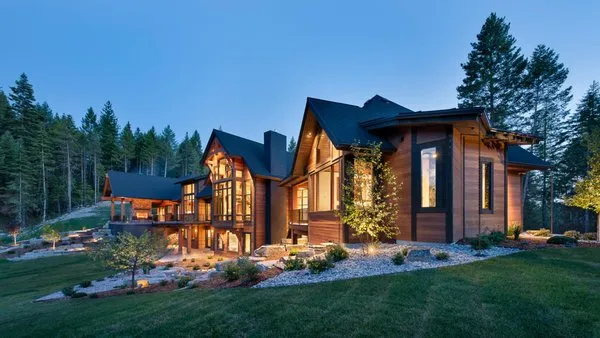
Sod Bros Landscape is a trusted lawn care provider serving Kalispell and the surrounding Flathead Valley. Our team brings years of hands-on experience to every project, specializing in creating and ma...
Estimated Landscaping Service Costs in South Browning, MT
Questions and Answers
What permits and contractor credentials are needed to regrade my 0.35-acre lot?
Any significant earthmoving or alteration of drainage patterns requires a grading permit from the Blackfeet Tribal Planning Department. Furthermore, the contractor must hold a current Residential Contractor license from the Montana Department of Labor & Industry. For a property of 0.35 acres, this licensing is legally mandatory to ensure proper bonding, insurance, and adherence to state building codes, protecting you from liability and substandard work.
How quickly can you respond for an emergency cleanup after a major windstorm?
For urgent HOA compliance or safety issues, our standard dispatch from near the Blackfeet Tribal Headquarters uses US Highway 89 for direct access. Accounting for debris on local roads, we project a 45-60 minute arrival during peak storm conditions in the South Browning area. We prioritize routes that avoid known flood zones to ensure timely service for tree limb removal and hazard mitigation.
How can I keep my Kentucky Bluegrass healthy during Stage 1 water restrictions?
A Soil Moisture Sensor (SMS) controller is the critical tool for compliance. It bypasses preset schedules to irrigate only when root-zone moisture drops below a programmed threshold, typically preventing 2-3 unnecessary cycles per week. This ET-based approach applies water precisely during early morning hours to minimize evaporation, keeping turf viable while reducing municipal water use by 20-30% compared to traditional timers.
What are the biggest weed threats here and how do I manage them safely?
In South Browning, Leafy Spurge and Canada Thistle are primary invasive alerts due to their aggressive rhizomes. Manual removal before seed set is most effective. For chemical intervention, use a targeted systemic herbicide applied in late spring, strictly following the label's Best Management Practices to avoid Montana's recommended fertilizer and pesticide blackout dates, which protect groundwater during peak runoff periods. Always spot-treat, never broadcast.
My yard floods and then cracks every spring. What's the solution for this slope?
You are describing classic seasonal frost heave and runoff in alkaline loam, which has low permeability when saturated. Regrading to create a gentle swale away from the foundation is the first step. For any new patios or paths, using permeable crushed native shale as a base allows water to infiltrate, meeting Blackfeet Tribal Planning Department runoff standards and mitigating the freeze-thaw cycle that causes surface damage.
Should I use wood or stone for a new patio in this high fire-risk area?
Crushed native shale and flagstone are superior materials for Wildland-Urban Interface Zone 2 compliance. They provide a non-combustible, defensible space required by the local Fire Wise rating, unlike wood decks which are a fuel source. The mineral-based materials also endure freeze-thaw cycles without rotting or warping, offering a lifespan exceeding 30 years with minimal maintenance, and their thermal mass can moderate soil temperature extremes.
Is there a lower-maintenance alternative to my high-water lawn that also reduces noise?
Transitioning to a xeriscape with natives like Blue Grama, Blanketflower, and Silver Sagebrush eliminates weekly mowing and significantly reduces irrigation needs. This shift pre-adapts your landscape to potential future noise ordinances targeting gas-powered blowers and mowers, as these plant communities require only annual trimming. The deep root systems of these plants also sequester carbon and support local pollinators, exceeding 2026 biodiversity benchmarks.
Why is the soil in my South Browning Residential District yard so dense and why do plants struggle?
Your property, like many built around 1974, sits on soil with over 50 years of maturation, leading to significant compaction from foot traffic and past machinery. The prevalent alkaline loam (pH 7.6-8.2) naturally forms a hardpan that restricts root growth and water infiltration. Core aeration paired with incorporating 2-3 inches of composted organic matter is essential to improve soil structure, lower surface pH, and boost microbial activity for healthier plant establishment.
