Top Landscaping Services in Seeley Lake, MT, 59868 | Compare & Call

There are 27 landscaping companies server in Seeley Lake MT
Missoula Landscape Solutions
Missoula Landscape Solutions is a locally owned and operated company serving the Missoula community from its base in the heart of the city. We provide comprehensive lawn care, landscape design, and ha...
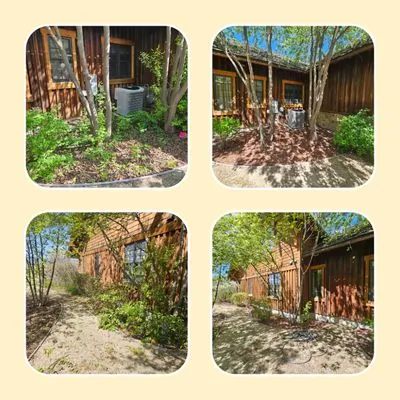
The Green Scene is a locally owned Missoula business operated by Oliver Grajeda, a former University of Montana Griz student-athlete. Oliver brings a unique blend of hands-on experience and academic k...
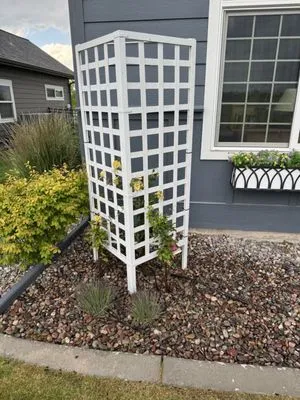
Allegiant Irrigation & Landscape brings over two decades of hands-on experience to the Bitterroot Valley, providing reliable and affordable irrigation and landscaping solutions. Based in Stevensville,...
At AIO LLC in Missoula, we are your local, comprehensive solution for property care. We believe a well-maintained landscape enhances both curb appeal and the daily experience for residents and visitor...
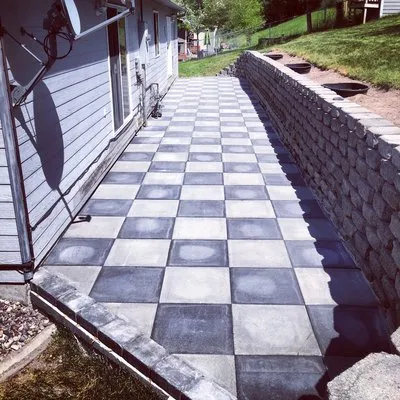
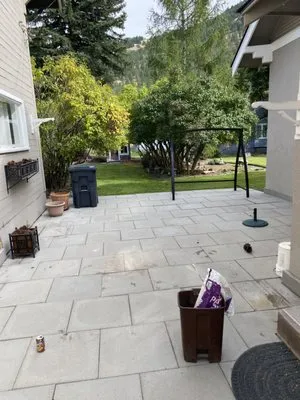
Founded in 2016, Western Montana Patio was born from a deep-rooted passion for landscape design and a transformative trip to Amsterdam that inspired the owner to view patios and walkways as functional...
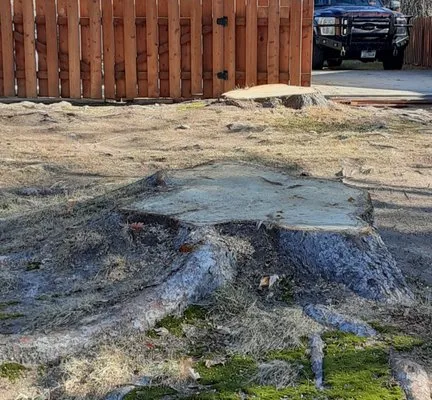
Black Widow LLC, formerly B&V Tree Service, is your local tree and landscaping specialist in Corvallis, Montana. We've returned with a renewed focus on caring for the trees and landscapes that define ...
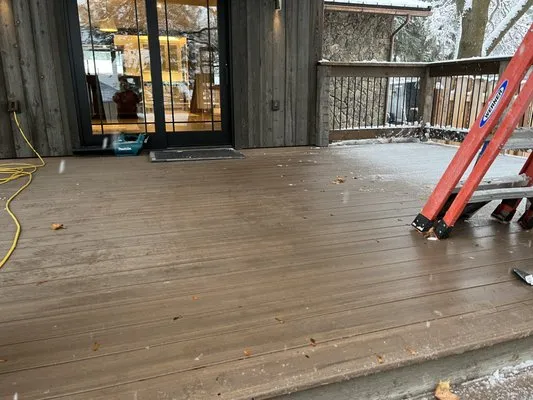
Cant Wait Clean-Up is a trusted, locally-owned service provider serving Missoula and surrounding communities for nearly 15 years. We are a licensed and insured team with extensive experience in both r...
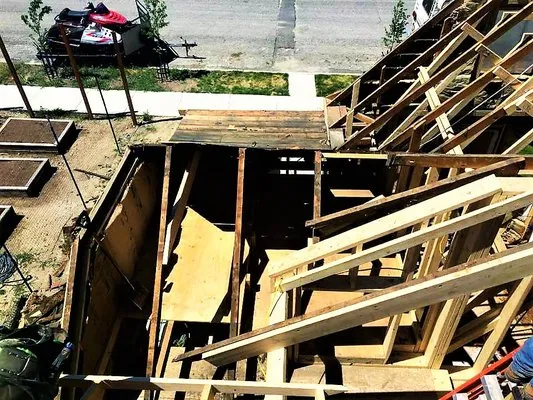
BBM Construction is a family-owned general contracting and landscaping business serving Missoula, MT. Founded by Montana native Brian Dugan, the company combines local expertise with a personal touch,...
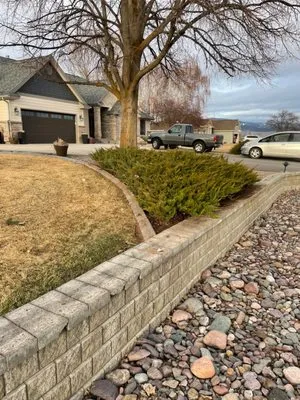
Liberty Lawn Service is a locally owned and operated lawn care provider with over 20 years of experience serving the Bonner-West Riverside and greater Missoula area. We specialize in comprehensive law...
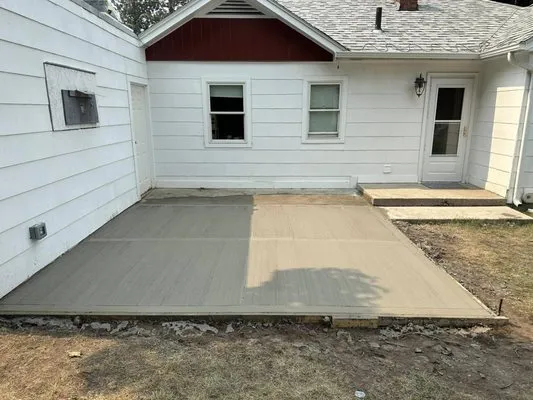
Tolson Excavation and Contracting
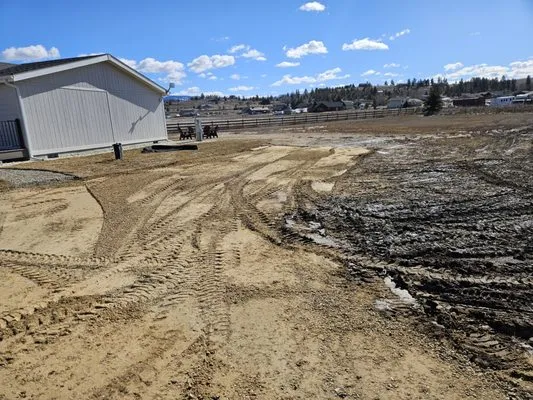
Tolson Excavation and Contracting is a full-service Missoula-based company specializing in excavation, landscaping, and masonry/concrete work. With expertise in soil backfilling, earthmoving, land cle...
Estimated Landscaping Service Costs in Seeley Lake, MT
FAQs
An aggressive weed is spreading near my property line. What's the safest way to control it?
First, identify the species with the Seeley Lake Ranger Station or Extension office, as treatments vary. For many broadleaf invasives, targeted spot-treatment with a selective herbicide in late spring is effective. Always follow label instructions and adhere to the local ordinance prohibiting phosphorus applications near riparian zones. For organic control, manual removal before seed set is recommended.
A windstorm caused major debris on my property—can you respond quickly for HOA compliance?
Our emergency storm response protocol dispatches a crew from the Seeley Lake Ranger Station area. They travel south on MT-83 directly to the Townsite. With road conditions permitting, arrival and initial site assessment occur within the 45–60 minute window typical for peak storm events. We prioritize securing safety hazards and clearing access routes first.
Should I use wood or stone for a new patio, considering wildfire risk?
Local river rock or crushed granite is superior to wood for longevity and fire resistance. These non-combustible materials contribute to the mandatory defensible space required in this Extreme Fire Wise (WUI Zone 1) rating area. A properly installed stone patio requires no chemical treatments, won't decay, and provides a permanent, low-maintenance solution that meets safety guidelines.
I'm tired of constant mowing and blowing. Are there lower-maintenance landscape options?
Transitioning areas to a xeriscape with natives like Rocky Mountain Juniper, Fireweed, and Common Camas significantly reduces maintenance. These plants require no mowing, minimal water once established, and little to no seasonal cleanup with gas blowers, future-proofing your property against evolving noise ordinances. This approach also enhances biodiversity and aligns with Firewise principles for Zone 1.
Water seems to vanish instantly into my yard. Is this a drainage problem?
Rapid infiltration is characteristic of acidic gravelly loam soils in this area. While generally beneficial, it can lead to drought stress for shallow-rooted plants. Managing this involves using permeable hardscapes like local crushed granite for patios to meet Missoula County runoff standards. For planting beds, incorporating organic matter helps retain moisture and improve the soil's water-holding capacity.
What do I need to know before hiring someone to regrade my half-acre lot?
Significant grading on a 0.55-acre parcel often requires a permit from Missoula County Community and Planning Services, especially if it alters water flow patterns. In Montana, contractors performing this work must be licensed through the Department of Labor & Industry. Always verify their license and insurance, as improper grading can lead to erosion violations and damage to neighboring properties.
How can I maintain a healthy lawn during Stage 1 voluntary water conservation?
Soil moisture sensor-based drip irrigation systems are calibrated using local evapotranspiration (ET) data. This technology delivers water directly to the root zone of Kentucky Bluegrass or Fine Fescue mixes, minimizing evaporation and runoff. The system automatically adjusts to soil permeability and weather, often reducing water use by 30–50% while keeping turfgrass viable within municipal guidelines.
My 1990s Seeley Lake Townsite lawn struggles despite fertilizer. Is the soil the issue?
Lots developed around 1991 often have compacted, acidic gravelly loam from original construction. Soil maturity calculates to 35 years, but without active management, natural soil-building processes are slow. This soil type, with a pH of 5.8-6.5, tends to become dense, limiting root penetration and nutrient uptake. Core aeration combined with compost amendments is essential to improve soil structure and fertility.
