Top Landscaping Services in Red Lodge, MT, 59007 | Compare & Call

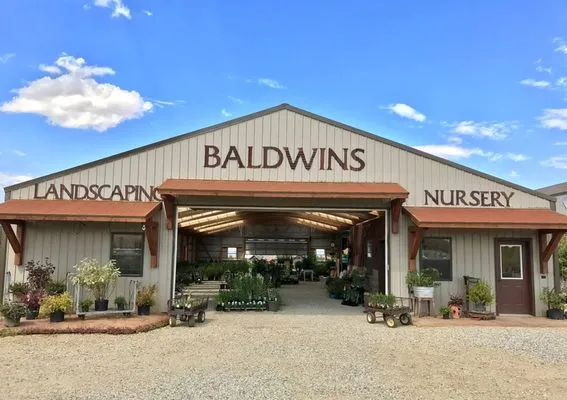
Baldwin's Customized Landscaping
Baldwin's Customized Landscaping in Red Lodge, MT, is a full-service landscaping company that has grown from a yard maintenance and snow removal operation into a comprehensive provider of design, inst...

Pro Cut Lawn and Landscape
Pro Cut Lawn and Landscape is a trusted, full-service landscaping company serving Red Lodge, MT and the surrounding areas. We specialize in landscape maintenance, snow removal, and tree care services ...
Common Questions
What permits and credentials are needed for significant landscaping or grading work on my quarter-acre lot?
Any project altering drainage or involving retaining walls over a certain height requires a permit from the Carbon County Planning Department. The contractor must hold appropriate licensing through the Montana Department of Labor & Industry. For a 0.25-acre lot, improper grading can significantly impact neighboring properties, making licensed, insured professionals essential for liability and code compliance.
How do I keep my Kentucky Bluegrass blend green during Red Lodge's dry spells without wasting water?
Under Stage 1 voluntary conservation, precision is key. A soil moisture sensor (SMS) controller irrigates only when the root zone moisture drops below a preset threshold, preventing overwatering. This ET-based approach can reduce usage by 20-30% while maintaining turf health. Deep, infrequent watering cycles encourage deeper root growth, making the lawn more drought-resilient.
What invasive weeds should I watch for, and how do I control them responsibly?
In Red Lodge, spotted knapweed and leafy spurge are primary threats. Manual removal for small infestations is effective. For larger areas, targeted herbicide application in late spring or early fall, when plants are actively growing, is recommended. Strictly adhere to State BMPs, which prohibit application on frozen ground to prevent chemical runoff into our watersheds.
Is there a lower-maintenance, eco-friendly alternative to my traditional lawn?
Absolutely. Transitioning areas to a climate-adaptive xeriscape with natives like Blue Grama grass, Rocky Mountain Penstemon, and Blanketflower drastically reduces water, mowing, and chemical inputs. These plants support local pollinators and provide year-round interest. This shift also future-proofs your property against increasing noise ordinances targeting gas-powered blowers and mowers.
Why does my lawn struggle to hold water and nutrients in the West Side Historic District?
Homes built around 1973, common in this district, have soils that have matured for over 50 years. The native alkaline sandy loam has likely become compacted and depleted of organic matter, reducing its water-holding capacity. Core aeration and incorporating compost are critical to rebuild soil structure and microbial life, which are essential for nutrient cycling in our high pH environment.
Is Beartooth Quartzite flagstone a good choice for a new patio compared to wood?
For durability and fire safety, quartzite is superior. As a non-combustible material, it contributes to defensible space requirements in our High Wildland-Urban Interface Zone. It withstands freeze-thaw cycles indefinitely with minimal maintenance, unlike wood which decays and requires treatment. Its natural permeability also aids in managing the site's drainage.
My yard on a slope washes out every spring. What's a lasting solution?
Rapid infiltration in sandy loam on slopes leads to high erosion potential. A tiered approach using local Beartooth Quartzite flagstone for permeable terraces or dry creek beds can slow and manage runoff. These structures increase surface roughness and infiltration, meeting Carbon County Planning Department standards for stormwater management while blending with the native landscape.
Can you handle an urgent HOA compliance cleanup on short notice?
Yes. For properties in the West Side Historic District, our standard dispatch originates near the Red Lodge Carnegie Library. We proceed via US Highway 212, with a typical mountain terrain response time of 15-20 minutes. We prioritize electric equipment for compliance with daytime noise ordinances, ensuring a rapid and quiet resolution to meet your deadline.
