Top Landscaping Services in Pray, MT, 59047 | Compare & Call
There are 82 landscaping companies server in Pray MT

Livingston Tree Lawn and Snow Removal
Livingston Tree Lawn and Snow Removal is a trusted, full-service provider in Livingston, MT, dedicated to enhancing and maintaining local properties year-round. We specialize in comprehensive lawn car...
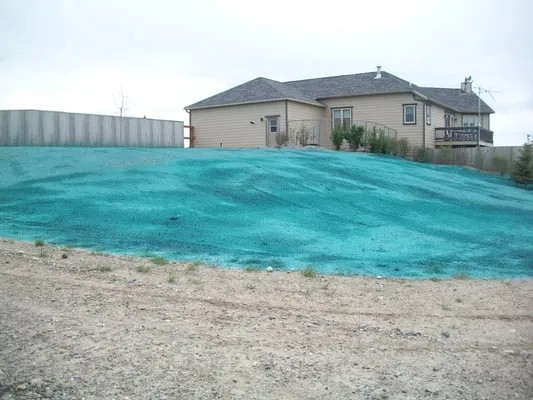
Easy Lawn Hydroseeding is a Belgrade-based, family-founded company that has grown from a one-person operation into a trusted, multifaceted service provider across Montana. For over a decade, we've bui...
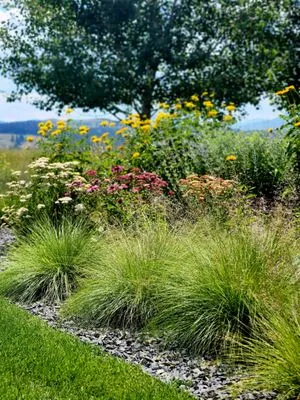
Highridge Landscapes is a Bozeman-based landscaping company that has been serving Montana since 2008. We specialize in creating and maintaining beautiful outdoor spaces for homes, ranches, and busines...
Preferred Lawn Service of Big Sky is a locally owned and operated business in Belgrade, MT, dedicated to maintaining your property year-round. We provide comprehensive lawn care services including mow...
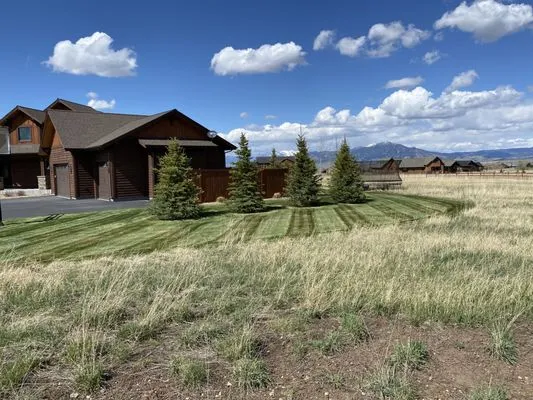
The Backyard Barber is a locally owned and operated lawn care and snow removal company based in Belgrade, Montana. We provide reliable, professional services to residents and businesses in Belgrade, B...
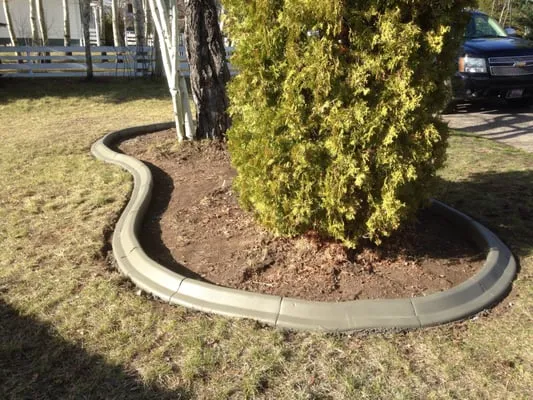
Montana Curbscape is a Butte-based landscaping and masonry/concrete specialist dedicated to enhancing outdoor spaces in our community. We address common local issues like tree root lawn damage and wee...
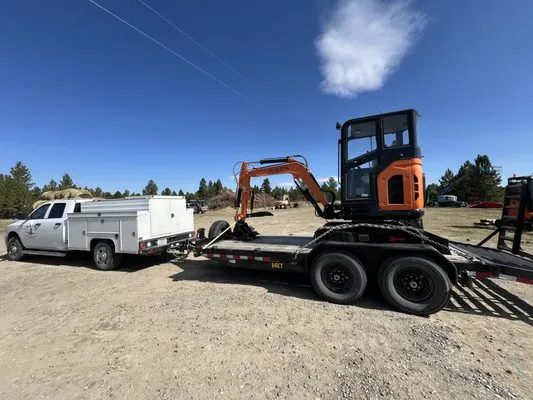
G.R.I.T. Land Partners is a land improvement company based in Three Forks, Montana, serving Gallatin and Broadwater Counties. We provide comprehensive landscaping, hardscaping, and property maintenanc...
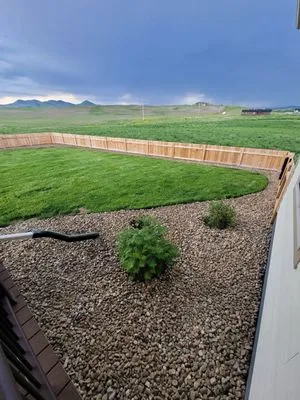
Land Rush Services is a full-service landscaping company serving Three Forks, MT, and the surrounding area. We specialize in transforming outdoor spaces with comprehensive solutions, from earthmoving ...

Hyalite Lawn Care, LLC is your trusted local lawn and tree care provider in Belgrade, Montana. As a locally owned and operated business, we understand the specific landscaping challenges faced by home...

Founded in 2018 by a team with over 25 years of combined experience in farming, landscaping, and culinary arts, Best Buds LLC took root in Belgrade, MT, to build a business around work we love. We hel...
Estimated Landscaping Service Costs in Pray, MT
Question Answers
How should I manage invasive species without chemical overuse?
Spot treatment of invasive species like leafy spurge or cheatgrass requires precise timing before seed set, typically late spring in Pray. Mechanical removal followed by native reseeding prevents recurrence without violating state-regulated nutrient management guidelines. Soil testing identifies specific deficiencies in alkaline conditions rather than blanket fertilization. This targeted approach maintains ecological balance while complying with any potential municipal fertilizer restrictions during sensitive periods.
Why does my Pray Valley Estates lawn struggle despite regular watering and fertilizing?
Pray Valley Estates lots developed around 1995 have 31-year-old soil profiles with alkaline silt loam (pH 7.6-8.2) that has become compacted from decades of maintenance. This compaction reduces soil percolation and oxygen availability to roots. Core aeration combined with organic amendments like composted manure can improve soil structure and microbial activity. Without these interventions, even Kentucky Bluegrass or Fine Fescue mixes will show nutrient deficiencies in this environment.
What permits and licensing are required for major landscaping projects on 2.5 acres?
Grading or structural work on 2.5-acre lots requires Park County Planning Department permits for erosion control and drainage compliance. Contractors must hold Montana Department of Labor & Industry licensing for excavation exceeding certain depths. Professional landscape architects need specific certifications for projects affecting water runoff patterns. These regulations ensure proper execution on larger properties where mistakes can have significant environmental consequences in the Pray watershed.
Can I maintain a healthy lawn while following Pray's Stage 1 water conservation guidelines?
Smart Wi-Fi soil moisture sensor controllers optimize irrigation by delivering water only when ET rates indicate need, typically reducing usage 20-30% while preserving turf health. These systems adjust for alkaline silt loam's water retention characteristics and local microclimates. Programming for Kentucky Bluegrass or Fine Fescue mixes during May-September growing seasons maintains root depth without exceeding municipal water limits. Regular system audits ensure no runoff during voluntary conservation periods.
What solutions prevent seasonal saturation from snowmelt runoff on my property?
High snowmelt runoff in alkaline silt loam requires French drains or dry creek beds with Montana Moss Rock to manage seasonal saturation. Permeable crushed aggregate pathways improve subsurface drainage while meeting Park County Planning Department runoff standards. Grading should direct water away from structures at minimum 2% slope. These interventions address the soil's reduced permeability during spring thaw while preventing erosion on 2.5-acre lots.
Are Montana Moss Rock and crushed aggregate better than wood for long-term durability?
Montana Moss Rock and crushed aggregate provide superior longevity with minimal maintenance compared to wood structures in Pray's climate. These materials maintain integrity through freeze-thaw cycles and resist decomposition. For Extreme Fire Wise rated zones, they create defensible space without combustible materials. Proper installation with geotextile barriers prevents weed intrusion while allowing natural drainage patterns. This hardscape approach supports both aesthetic and safety objectives in high-risk areas.
How quickly can you respond to an emergency tree cleanup after a storm in Pray?
Emergency dispatch from the Pray Community Center via US-89 typically requires 45-60 minutes during peak storm response periods. This accounts for debris clearance and safe travel through the Wildland-Urban Interface Zone. Our electric maintenance fleet operates within standard noise nuisance ordinances while providing immediate hazard mitigation. For HOA compliance issues, we prioritize same-day assessment with follow-up scheduling based on severity.
What low-maintenance alternatives exist for high-water turf areas?
Transitioning to Bluebunch Wheatgrass, Blanketflower, Rocky Mountain Penstemon, and Common Yarrow reduces water needs 60-70% while providing habitat. These natives thrive in USDA Zone 4a without gas-powered maintenance, aligning with evolving noise ordinance trends. Established stands require only annual cutting rather than bi-weekly mowing. This approach creates fire-resistant landscaping appropriate for Extreme Wildland-Urban Interface ratings while supporting 2026 biodiversity standards.
