Top Landscaping Services in Plains, MT, 59859 | Compare & Call
There are 189 landscaping companies server in Plains MT
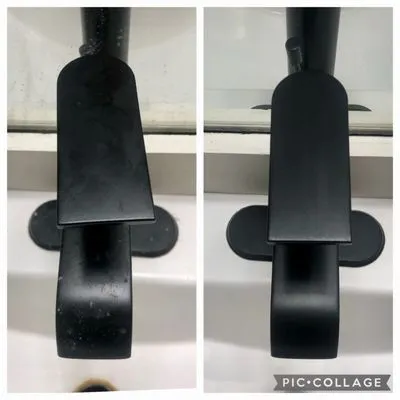
Highline Hospitality Professionals
Highline Hospitality Professionals is a Columbia Falls-based cleaning and property care service dedicated to supporting local homeowners, rental hosts, and businesses. We specialize in thorough, hotel...
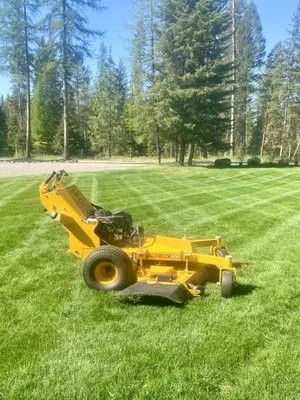
Swan River Lawn Care is a trusted lawn service provider in Bigfork, MT, dedicated to helping local homeowners achieve and maintain healthy, vibrant lawns. We specialize in comprehensive lawn care solu...
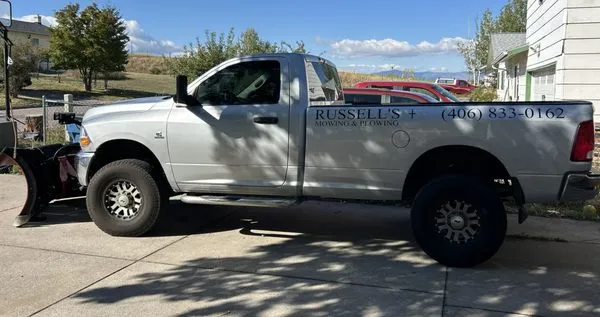
Russell's Mowing & Plowing is a trusted local service provider in Polson, MT, specializing in year-round outdoor maintenance to keep properties looking their best. We offer reliable snow removal and l...
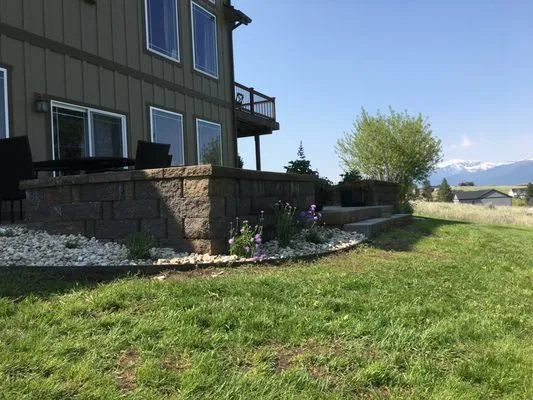
For over a decade, Big Velvet Landscaping has been a trusted, locally owned partner for Corvallis and the Bitterroot Valley, dedicated to enhancing your outdoor experience. We believe in the unique be...

Vern's Landscape is a Hamilton-based landscaping company with deep roots in the Bitterroot Valley. Founded by Vern, who began his career in Wisconsin in 1982, the business brings over 40 years of hand...

Founded on a lifelong passion for building, Bauen began with small renovations in the Missoula community. Owner [Name] started working with family and friends at 17, which led to formal training in ca...
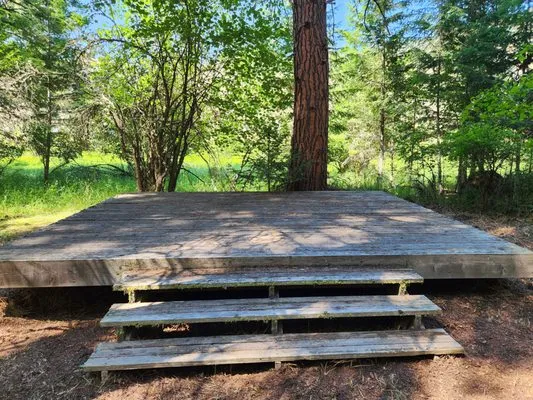
Black Widow Lawn Services is a locally owned and operated lawn care business proudly serving Victor, MT and the surrounding Bitterroot Valley. Now operating as an LLC, this marks an exciting milestone...

Kerb Design Landscaping
Kerb Design Landscaping is a locally owned and operated company in Florence, Montana, with decades of experience serving the community. We specialize in landscape architecture, design, and constructio...
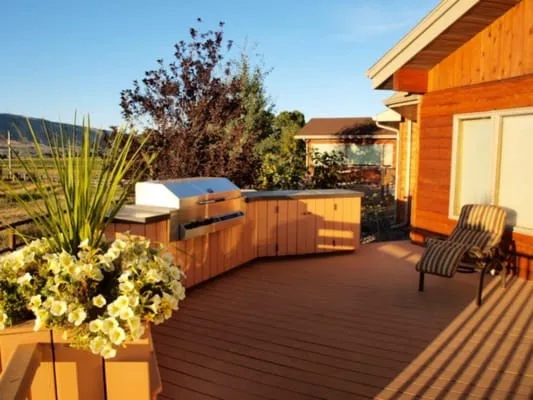
With deep roots in the Victor community, Green Concepts is a locally owned and operated landscape design-build contractor founded in 2007. For over 25 years, owner Leslie N. has specialized in creatin...
Green Haven Landscaping is a locally owned and operated business in Arlee, MT, dedicated to transforming outdoor spaces with comprehensive landscaping services. As a new business, owner-operator John ...
Estimated Landscaping Service Costs in Plains, MT
Question Answers
What permits and licenses are needed for grading work on my 0.25-acre Plains property?
Grading projects exceeding 50 cubic yards of soil movement require Sanders County Planning Department approval, with specific requirements for erosion control and drainage. The Montana Department of Labor & Industry mandates licensing for contractors performing earthwork valued over $1,000, ensuring proper bonding and insurance coverage. On 0.25-acre lots, even modest grading can trigger permit thresholds due to Plains' sensitive watershed protections. Professional landscape architects registered in Montana must design significant grade changes affecting stormwater patterns. All work must comply with county setback requirements and avoid disturbing protected root zones of existing trees. Failure to obtain proper approvals can result in stop-work orders and restoration mandates at owner expense.
What invasive species should I watch for in Plains, and how do I treat them safely?
Leafy spurge and spotted knapweed present significant invasive risks in Sanders County, displacing native vegetation and reducing biodiversity. Manual removal before seed set is most effective for small infestations, ensuring complete root extraction. For larger areas, targeted herbicide applications must avoid Montana's phosphorus runoff guidelines by using phosphorus-free formulations. Treatment timing should bypass local fertilizer ordinance blackout dates typically in spring runoff periods. Biological controls like flea beetles for leafy spurge provide sustainable long-term management. Regular monitoring along property edges and disturbed areas catches new invasions early. Always dispose of invasive plant material in sealed bags to prevent spread.
What's the best solution for snowmelt saturation in my Plains yard?
Seasonal high water tables from snowmelt require permeable hardscape solutions that meet Sanders County Planning Department runoff standards. Crushed Montana River Rock provides 40-50% void space for water infiltration, significantly reducing surface pooling. French drains with proper slope (1% minimum grade) direct excess moisture away from foundations. Dry wells filled with gravel can temporarily store runoff during peak saturation periods. For silty loam soils, adding 2-3 inches of coarse sand to problem areas improves percolation rates. All drainage modifications should include erosion control measures like jute netting or native grass stabilization to prevent soil loss during rapid melt events.
Why does my lawn in Plains Townsite have such poor drainage and compacted soil?
Plains properties built around 1975 have soil that has matured for approximately 51 years, developing a dense silty loam structure with pH 6.5-7.2. This soil type naturally compacts over decades, reducing permeability and creating poor drainage conditions. Core aeration is essential to break up compaction and improve oxygen exchange in the root zone. Adding organic amendments like composted manure can enhance soil structure and water retention. Without these interventions, turfgrass roots struggle to penetrate beyond shallow depths. Regular soil testing every 2-3 years helps monitor pH and nutrient levels in established landscapes.
How can I maintain Kentucky Bluegrass during Plains' Stage 1 water restrictions?
Soil-moisture sensor bypass systems provide precise irrigation control while complying with voluntary conservation measures. These systems monitor actual soil conditions rather than operating on fixed schedules, reducing water use by 30-40% compared to traditional timers. For Kentucky Bluegrass and Fine Fescue mixes in USDA Zone 4b, ET-based programming adjusts watering based on evapotranspiration rates and precipitation. Deep, infrequent watering encourages deeper root growth and drought tolerance. Municipal water limits can be maintained while preserving turf health through proper irrigation timing—early morning applications minimize evaporation losses. Regular system audits ensure sensors are calibrated for Plains' silty loam soil characteristics.
Should I replace my high-maintenance lawn with native plants in Plains?
Transitioning to Western Larch, Rocky Mountain Maple, Blanketflower, and Bluebunch Wheatgrass reduces maintenance demands while supporting local ecology. Native plantings require 70-80% less water than traditional turfgrass once established, aligning with long-term conservation goals. These species provide habitat for pollinators and birds, contributing to 2026 biodiversity standards. Electric maintenance equipment operates quietly within Plains' noise ordinance hours, eliminating gas-blower restrictions. Reduced mowing frequency decreases carbon emissions and soil compaction. A phased conversion approach—starting with border plantings and expanding annually—minimizes initial investment while building soil health through mycorrhizae networks.
Is crushed Montana River Rock better than wood mulch for fire safety in Plains?
Crushed Montana River Rock provides superior fire-wise performance compared to organic mulches, particularly in WUI Zone 2 high-risk areas. This inorganic material creates a 5-foot non-combustible zone around structures as recommended for defensible space. River rock maintains its fire-resistant properties indefinitely without decomposition or nutrient cycling that supports flammable vegetation. For pathways and seating areas, 3/4-inch crushed rock offers stable footing while allowing water infiltration. Wood mulches, especially fine-textured varieties, can smolder and reignite days after initial exposure. When combined with proper plant spacing and irrigation, rock hardscapes significantly reduce wildfire fuel loads near residential structures.
How quickly can you respond to an emergency tree cleanup after a storm in Plains?
Emergency storm response from our Plains VFW Park dispatch point via MT-200 typically requires 20-30 minutes during peak conditions. This timeframe accounts for debris clearance on secondary roads and safe equipment transport. Our electric maintenance fleet operates within Plains' 10 PM to 7 AM noise ordinance restrictions without compromising response capability. For HOA compliance issues requiring immediate attention, we prioritize same-day assessment with digital documentation. Route optimization software accounts for real-time traffic patterns along MT-200 and local access roads. All emergency vehicles carry specialized equipment for storm-damage mitigation in residential areas.
