Top Landscaping Services in Manhattan, MT, 59741 | Compare & Call

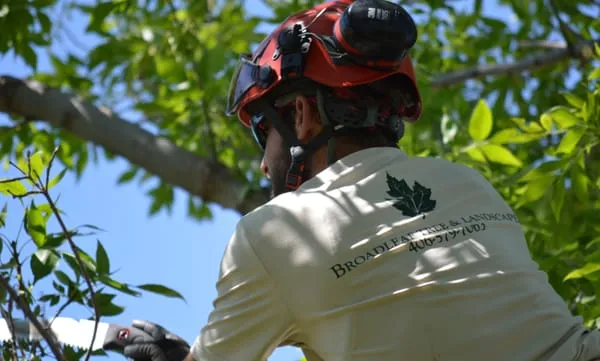
Broadleaf Tree & Landscape is a Manhattan, MT-based tree service and landscaping company founded by certified arborist Michael Ahrens. With 15 years of experience serving the Gallatin Valley, Michael ...
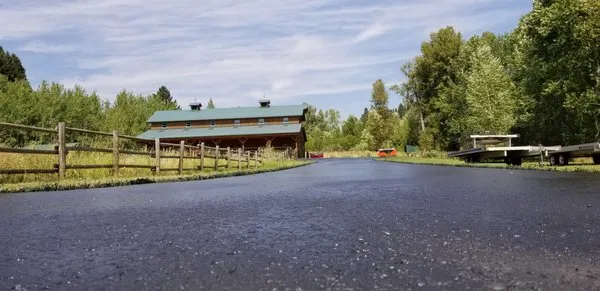
High Tech Coatings in Manhattan, MT is a locally owned and operated asphalt maintenance and lawn care company with deep roots in the Gallatin Valley. For 18 years, owner Ryan Douma has built a reputat...

Cutting Edge Curb is a Manhattan, MT-based landscaping and masonry contractor specializing in custom concrete curbing and hardscaping solutions. We work with homeowners and businesses across the Galla...
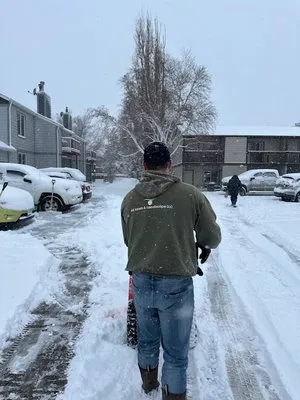
AK Lawn & Landscape is a locally owned and operated lawn care and landscaping company serving Manhattan and the greater Gallatin Valley. With over a decade of combined experience, we provide reliable,...
Irritek Landscapes is a dedicated landscaping partner serving the Manhattan community, offering a comprehensive approach to creating and maintaining beautiful, resilient outdoor spaces. We combine pro...
K5 Mowers is a family-operated lawn care service in Manhattan, MT, built on the solid foundation of local roots and strong family values. Founded by the Kimm family—teachers who are raising their kids...
ForeverLawn Yellowstone is a Manhattan, MT landscaping business dedicated to solving common local irrigation problems. Many homes in our area face issues like sprinkler leaks and irrigation timer fail...
Questions and Answers
Do I need a permit to regrade my yard or install a new patio?
Yes. Significant grading or impervious surface installation on a 0.22-acre lot typically requires a permit from the Manhattan Planning & Zoning Department to ensure compliance with drainage and zoning codes. This work must be performed by a contractor licensed by the Montana Department of Labor & Industry, which guarantees proper training in soil mechanics and erosion control.
My yard floods every spring and has frost heave damage. What's the solution?
Spring saturation and frost heave are common with Manhattan's dense silt loam. The solution involves regrading to create positive surface drainage and installing subsurface French drains. Using permeable materials like crushed Montana River Rock for any new hardscape reduces runoff, helping meet Planning & Zoning Department standards for onsite water management.
Is crushed rock or wood better for a long-lasting patio in our climate?
Crushed Montana River Rock is superior for longevity and fire resilience. Unlike wood, it does not rot, warp, or attract pests. Its inorganic nature also contributes to defensible space in this Moderate Wildland-Urban Interface rating zone, a consideration for landscape design that supports overall property safety and durability.
What are low-maintenance alternatives to my high-water grass?
Transitioning to a xeriscape with native plants like Blue Grama, Rocky Mountain Penstemon, and Silver Sagebrush drastically reduces water and maintenance. This approach creates a resilient landscape that supports local pollinators and stays ahead of potential regulatory shifts, such as stricter noise ordinances limiting gas-powered equipment use for turf upkeep.
Why does my lawn struggle despite regular care?
Manhattan properties, particularly in the Downtown area with homes averaging 40 years since construction, often have compacted alkaline silt loam soil. This soil type, with a pH of 7.6-8.2, inhibits root growth and nutrient availability. Core aeration and incorporating organic compost are critical to improve soil structure and microbial activity, directly addressing the legacy of decades of standard construction fill and limited soil maturation.
Can I have a healthy lawn while following voluntary water conservation?
Yes. Wi-Fi ET-based irrigation controllers are essential for this. They automatically adjust run times using local evapotranspiration data, preventing overwatering. This technology delivers precise moisture to your Kentucky Bluegrass and Fine Fescue blend, maintaining turf health while conserving water, a key practice under the current Stage 1 voluntary restrictions.
How quickly can you respond for emergency storm damage cleanup?
Our emergency dispatch for Downtown Manhattan initiates from our central staging at Taylor Park. Using I-90 for primary access, we maintain a confirmed peak storm response window of 20 to 30 minutes to your property. This protocol prioritizes safety and HOA compliance for immediate debris removal and hazard mitigation.
What invasive weeds should I watch for, and how do I control them safely?
Be alert for Leafy Spurge and Cheatgrass, which thrive in disturbed, alkaline soils. Manual removal for small infestations is effective. For larger areas, use a targeted, EPA-registered herbicide applied by a licensed professional, carefully timing applications outside of peak growing seasons to align with state Best Management Practices for phosphorus and chemical use.
