Top Landscaping Services in Helena, MT, 59601 | Compare & Call

There are 45 landscaping companies server in Helena MT
South Canyon Landscape is a locally owned and operated business founded by Nathan, a passionate Great Falls area landscaper. What began as a summer job after high school blossomed over seven years int...
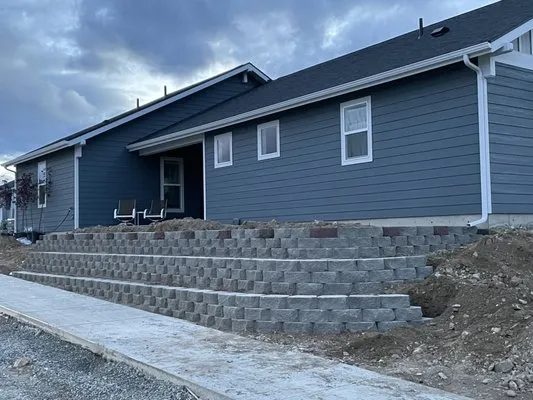
B&B Urban Forestry is a Helena-based lawn and tree service company founded by a local arborist who returned home to Montana after gaining experience in Salt Lake City. Combining a passion for the outd...
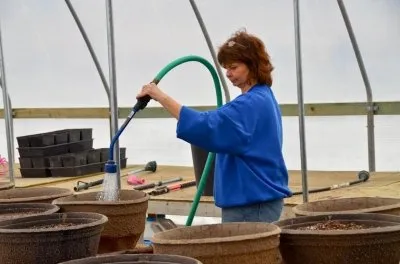
Land-Escapes is a Bozeman-based, family-owned landscaping company with deep roots in Montana, tracing its business origins back to 1947. Led by President Steven James, who has over 45 years of industr...
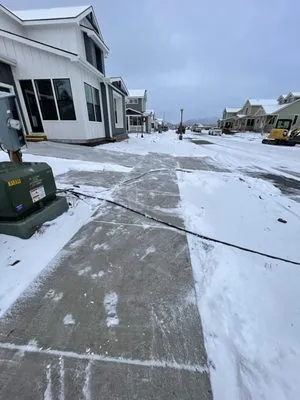
Marks Landscaping is a trusted, full-service landscaping company serving the Bozeman, MT community. We specialize in year-round solutions for residential and commercial properties, including expert ir...
H and L Spraying is a trusted lawn care provider in Ennis, MT, with over 22 years of experience in chemical services and noxious weed control. We specialize in comprehensive weed management, including...

Yeti Snow and Lawn Services is a locally owned and operated outdoor maintenance company serving Helena, MT, and surrounding areas since 2017. Founded by an owner with over 15 years of commercial const...
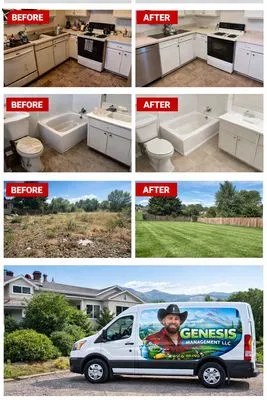
Genesis Management LLC is a locally owned and operated business serving Bozeman and the wider Gallatin Valley. We provide reliable cleaning and property maintenance services to help residents and prop...
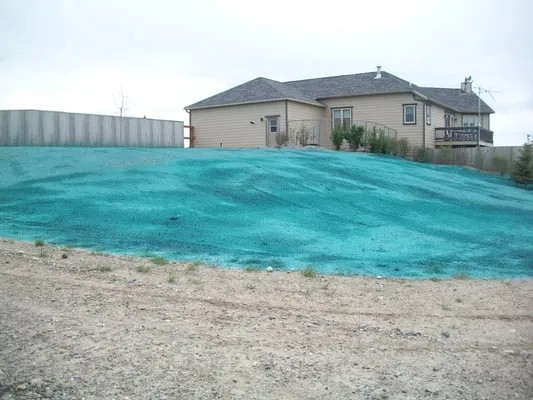
Easy Lawn Hydroseeding is a Belgrade-based, family-founded company that has grown from a one-person operation into a trusted, multifaceted service provider across Montana. For over a decade, we've bui...
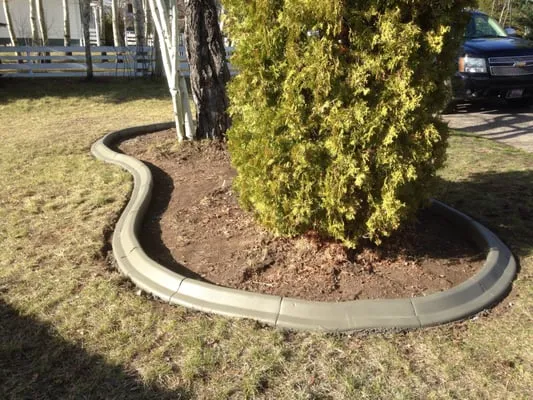
Montana Curbscape is a Butte-based landscaping and masonry/concrete specialist dedicated to enhancing outdoor spaces in our community. We address common local issues like tree root lawn damage and wee...
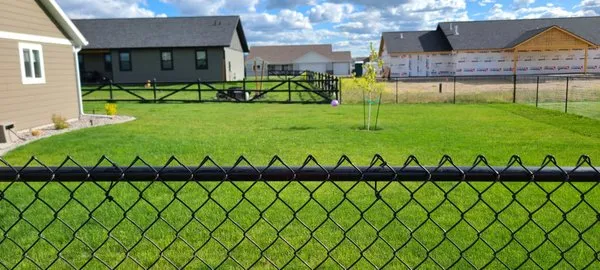
Great Northern Landscaping has been a trusted East Helena landscaping service since 2009, bringing over 25 years of hands-on experience to every project. We help local homeowners and businesses transf...
Estimated Landscaping Service Costs in Helena, MT
Q&A
What are the biggest weed threats and how do I deal with them responsibly?
In Helena, invasive species like Leafy Spurge and Cheatgrass are primary alerts. Effective management combines pre-emergent herbicide application in early spring with targeted post-emergent spot treatments. All chemical applications must follow Montana state guidelines, particularly regarding phosphorus use near riparian zones. For organic control, consistent manual removal before seed set is crucial, though it requires more diligent monitoring.
My yard floods every spring from snowmelt. What's a lasting solution?
High snowmelt runoff and frost heave are chronic issues in Helena's dense silt loam soils. A functional solution involves regrading to create positive drainage away from foundations and installing French drains. For patios or paths, using permeable materials like crushed granite or flagstone set in a gravel base increases surface infiltration. These strategies manage runoff effectively and typically comply with Helena Planning and Community Development standards for onsite water management.
How quickly can a crew respond for an emergency storm cleanup to meet HOA deadlines?
For urgent compliance or storm response in Highland, our dispatch from the Montana State Capitol area utilizes I-15 for direct access. Accounting for peak traffic conditions, we maintain a target response window of 20-30 minutes. This routing allows for efficient mobilization of equipment and personnel to address downed limbs or debris, ensuring your property meets visual standards promptly.
Should I use wood or stone for a new patio in my fire-prone area?
For durability and fire resilience, crushed granite and flagstone are superior to wood. These inorganic materials do not combust and require no chemical treatments, creating a permanent defensible space as recommended for WUI Zone 2 (Moderate) ratings. While wood decks require frequent sealing and can degrade, stone hardscapes offer centuries of longevity with minimal upkeep, providing better value and safety.
Why does my soil seem so compacted and poor, even with regular watering?
Your Highland neighborhood lot, like most Helena properties built around 1968, has approximately 58 years of soil maturity. The native alkaline silt loam (pH 7.5-8.2) tends to become dense and impermeable over decades of standard maintenance. This compaction severely limits water percolation and root growth. Annual core aeration and the incorporation of composted organic matter are essential to rebuild soil structure and mitigate the inherent alkalinity.
How can I keep my lawn green during Helena's voluntary water restrictions?
Wi-Fi ET-based weather-sensing irrigation is the key to conservation. This system automatically adjusts runtime based on real-time evapotranspiration data, preventing overwatering. For your Kentucky Bluegrass and Fine Fescue mix, it delivers precise moisture only when needed, often reducing usage by 20-30%. This technology is the most effective method for maintaining turf health while adhering to Stage 1 voluntary conservation goals.
What permits and credentials should I verify before hiring for a major regrading project?
Any significant alteration of drainage or grade on a 0.22-acre lot requires proper licensing and permits. The contractor must hold a current license from the Montana Department of Labor & Industry. The project itself will likely need a permit from Helena Planning and Community Development to ensure compliance with erosion control and runoff regulations. Always verify both credentials; unlicensed work can lead to costly corrections and liability issues.
Is there a lower-maintenance, eco-friendly alternative to my traditional grass lawn?
Transitioning to a xeriscape with native plants like Rocky Mountain Penstemon, Blanketflower, and Blue Grama significantly reduces water, mowing, and chemical inputs. These species are adapted to our zone 4b climate and alkaline soils, requiring minimal irrigation once established. This approach future-proofs your landscape against potential tightening of noise ordinances on gas-powered equipment and aligns with evolving biodiversity standards.
