Top Landscaping Services in Helena Valley West Central, MT, 59602 | Compare & Call
There are 58 landscaping companies server in Helena Valley West Central MT
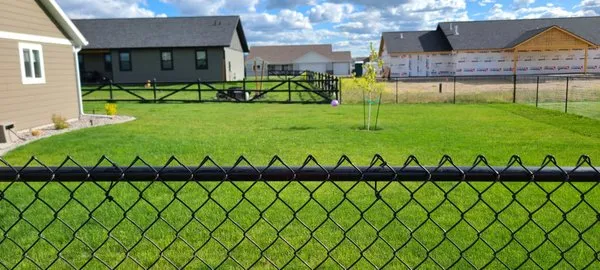
Great Northern Landscaping has been a trusted East Helena landscaping service since 2009, bringing over 25 years of hands-on experience to every project. We help local homeowners and businesses transf...
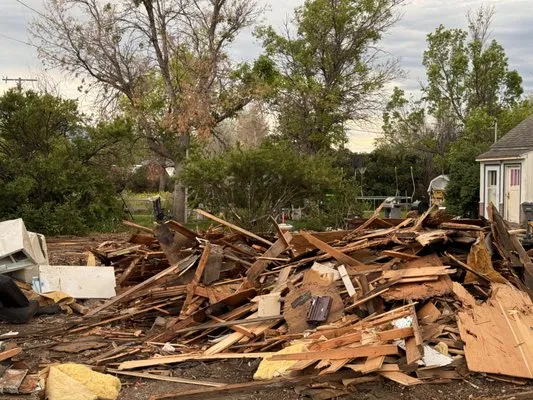
LW LandWorks is a Whitehall-based excavation, demolition, and landscaping contractor dedicated to transforming local properties with precision and care. We focus on solving common local challenges, su...

Fallen Rebels Workshop is a family-owned business in Townsend, MT, dedicated to enhancing and protecting the natural beauty of the local landscape. We believe we have a shared responsibility to care f...

Cost Cutters Tree Service and Landscaping
Cost Cutters Tree Service and Landscaping in Helena, MT is a locally owned and operated business specializing in comprehensive tree care, landscaping, and pest control services. With a team of expert ...
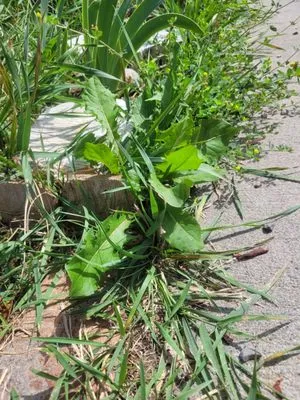
Since taking over operations, Clint has built upon Nitro-Green of Helena's 1984 legacy, channeling his environmental reclamation experience into caring for local properties. Their team includes expert...
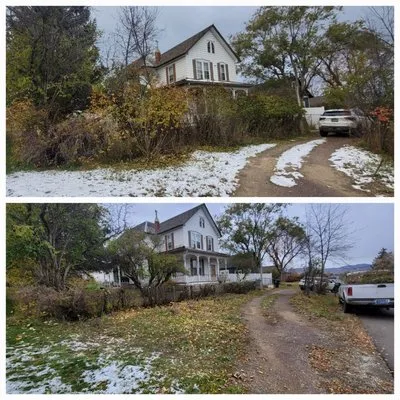
Helena Hedge Trimming is a locally owned and operated service in Helena, Montana, specializing in comprehensive outdoor care. We provide reliable tree services, shrub maintenance, and seasonal solutio...
Nolan's Yard Work provides expert lawn care services to Helena homeowners. We understand the local challenges, like dying shrubs and sprinkler leaks, which are often caused by improper watering and ma...
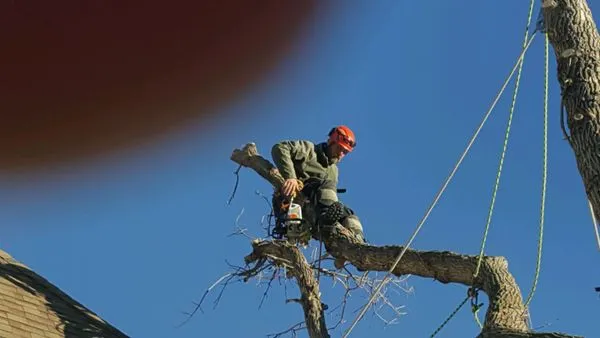
Mount Helena Tree Experts is your local Helena, MT partner for comprehensive tree care and landscaping solutions. We understand that many area homes struggle with landscaping issues stemming from spri...

Silvertip sprinklers & landscaping
Silvertip Sprinklers & Landscaping is a licensed, locally owned contractor serving Montana City and the greater Helena area since 2018. Founded on principles of reliability and clear communication, we...
The Grounds Guys of Helena
The Grounds Guys of Helena is a locally owned and operated landscaping company serving the Helena, MT community. With decades of experience since our founding in 1987, we provide comprehensive outdoor...
Estimated Landscaping Service Costs in Helena Valley West Central, MT
Question Answers
What are my options for reducing maintenance while supporting local biodiversity?
Replacing high-maintenance turf areas with native plantings creates resilient, low-input landscapes. Rocky Mountain Penstemon, Blanketflower, Blue Grama, and Silver Sagebrush thrive in Helena's alkaline soils with minimal irrigation once established. These natives support pollinators and require no gas-powered blowers for cleanup, aligning with evolving noise ordinance considerations. A phased conversion approach—starting with 25% of turf area—maintains functionality while reducing mowing frequency from every 10-14 days to monthly or less. Native plantings also contribute to WUI Zone 2 compliance by creating defensible space with fire-resistant species. This transition typically shows measurable water savings within two growing seasons.
What permits and licenses are required for significant landscaping changes on my property?
Grading or drainage work on 0.50-acre lots in Lewis and Clark County typically requires permits from the Planning Department, especially when altering water flow patterns or adding impervious surfaces. Contractors must hold appropriate licensing through the Montana Department of Labor & Industry—particularly for electrical work on irrigation systems or structural elements. The specific license category depends on project scope: landscaping contractors can handle planting and basic hardscapes, but retaining walls over 4 feet or electrical installations require additional certifications. Permit review periods average 2-4 weeks, so planning before the late April to mid-May mulching season ensures timely project completion. Unlicensed work risks fines and may void property insurance coverage for related damages.
What solutions address seasonal runoff and frost heave problems in my yard?
Alkaline silt loam soils in Helena Valley West Central have low permeability, exacerbating seasonal runoff and frost heave issues. Installing French drains with proper slope (1% minimum grade) redirects water away from foundations. Permeable concrete pavers or crushed Montana schist for hardscapes allow water infiltration while meeting Lewis and Clark County Planning Department runoff standards. For severe cases, dry wells connected to downspouts can capture roof runoff. Addressing drainage before late April mulching prevents washout of fresh amendments. These solutions reduce soil saturation that contributes to frost heave during freeze-thaw cycles common in USDA Zone 4b.
Which hardscape materials work best for durability and fire safety in our area?
Crushed Montana schist and permeable concrete pavers outperform wood for longevity and fire resistance in Helena Valley West Central. Schist's natural composition withstands freeze-thaw cycles without deteriorating, while permeable pavers manage runoff without creating impervious surfaces. Both materials maintain integrity for 20+ years with minimal maintenance. For Moderate Fire Wise rated areas (WUI Zone 2), these non-combustible materials create defensible space when installed within 30 feet of structures. They don't require chemical treatments that could leach into soils, unlike pressure-treated wood. The initial investment typically recovers through reduced replacement costs and lower insurance premiums in fire-prone zones.
Can I maintain healthy Kentucky Bluegrass while following Stage 1 voluntary water conservation measures?
Yes, smart Wi-Fi ET-based controllers with soil moisture sensors optimize irrigation for Helena's climate conditions. These systems calculate evapotranspiration rates daily, applying water only when soil moisture drops below predetermined thresholds. For Kentucky Bluegrass cultivars with high drought tolerance, this typically means 1-1.5 inches weekly during peak summer months. The sensors prevent overwatering during rainy periods and adjust for temperature fluctuations. This technology can reduce water usage by 20-30% compared to traditional timer-based systems while maintaining turf health. Regular calibration ensures the system responds appropriately to Stage 1 conservation guidelines.
How quickly can you respond to emergency storm damage that violates HOA compliance standards?
Our electric maintenance fleet can dispatch from the Broadwater Hot Springs area within 20 minutes during peak response windows. Using US-12 provides direct access to Helena Valley West Central neighborhoods while complying with municipal quiet hour restrictions (10 PM to 7 AM). We prioritize safety assessments first, then implement temporary stabilization measures to prevent further property damage. For typical 0.50-acre lots, initial debris removal and hazard mitigation usually complete within 2-3 hours of arrival. This rapid response helps prevent HOA violations while addressing immediate safety concerns from downed branches or compromised drainage systems.
How should I handle invasive species without harming my lawn or violating local regulations?
Early identification and targeted treatment prevent invasive species establishment while complying with Best Management Practices for nitrogen application. For common Helena Valley invasives like leafy spurge or cheatgrass, spot treatment with approved herbicides during active growth phases avoids blanket applications that could runoff into local watersheds. Mechanical removal before seed set works for smaller infestations. Always check for fertilizer ordinance blackout dates—typically early spring during snowmelt—when nutrient applications are restricted. Soil testing determines if amendments are actually needed, preventing unnecessary treatments. Proper disposal of invasive plant material prevents reinfestation and protects native plant communities.
Why does my Helena Valley West Central lawn struggle despite regular watering and fertilizing?
Most properties in this neighborhood were built around 1989, giving soils approximately 37 years to develop. Helena Valley West Central's alkaline silt loam (pH 7.6-8.2) tends to compact over decades, reducing soil percolation and oxygen availability to roots. This compaction limits water infiltration and nutrient uptake, particularly for Kentucky Bluegrass cultivars. Core aeration every 2-3 years combined with organic amendments like composted manure can improve soil structure and microbial activity. The high pH also reduces iron availability, causing chlorosis in some turf species. Addressing these soil maturity issues typically yields better results than increasing water or fertilizer inputs.
