Top Landscaping Services in Helena Valley Northeast, MT, 59602 | Compare & Call
There are 63 landscaping companies server in Helena Valley Northeast MT
Curb Creations of Helena is a trusted local landscaping company dedicated to solving Helena's most common yard challenges. We specialize in addressing persistent issues like poor yard drainage and ove...
Tree Trimmers And Landscaping is a trusted local provider in Helena, MT, dedicated to enhancing and maintaining the health and beauty of your outdoor spaces. We specialize in comprehensive tree care s...
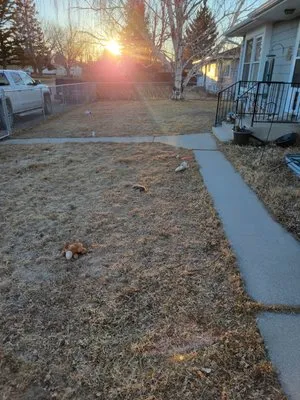
Buttons Lawn Services is your trusted local lawn care expert in East Helena, MT. We specialize in comprehensive lawn maintenance to keep your yard healthy and vibrant year-round. In our area, lawns of...

Legendary Lawncare is a dedicated lawn services provider based in East Helena, MT, focused on creating and maintaining resilient, healthy lawns for local homeowners. We understand the specific challen...
Montana Made Construction & Snow Plowing is a trusted, locally-owned contractor serving the Helena, MT area. We specialize in comprehensive irrigation systems and reliable snow removal, built to withs...
First Choice Lawn & Snow is Helena's trusted provider for comprehensive lawn care, irrigation, and snow removal services. We understand the specific challenges of maintaining landscapes in our area, s...
Kurtz Industries in Helena, MT is a trusted local provider offering essential services for homeowners, including lawn care. In the Helena area, where poor lawn grading and drought stress are common ch...
Helena Hydroseed is your local East Helena partner for creating and maintaining a vibrant, resilient lawn. We specialize in solving the common landscaping challenges faced by homeowners in our area, s...
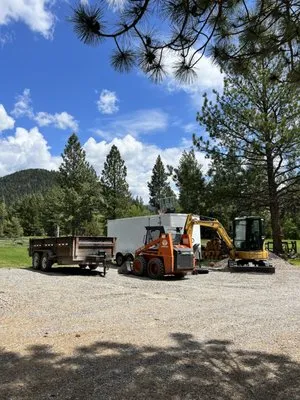
Lepinski Landscapes is a Lincoln, Montana-based landscaping and excavation company with deep roots in the local community. We specialize in transforming outdoor spaces through comprehensive services i...

For over 20 years, Chad Duke has been dedicated to the tree service industry, a passion that led him to establish Duke's Tree Service in his East Helena home in 2006. His deep roots in the community i...
Estimated Landscaping Service Costs in Helena Valley Northeast, MT
Frequently Asked Questions
What permits and credentials should we verify for major grading or landscaping work?
Any significant grading, drainage alteration, or retaining wall construction on a 0.50-acre lot requires review by the Lewis and Clark County Planning Department. The contractor must hold appropriate licensing through the Montana Department of Labor & Industry. This ensures they are bonded, insured, and knowledgeable about state and local codes, including erosion control during construction and final compliance with county stormwater management ordinances.
Our yard turns into a pond every spring from snowmelt. What's a permanent solution?
High spring runoff is a chronic issue in neighborhoods with alkaline silt loam due to its moderate permeability. The solution integrates grading and permeable hardscapes. Replacing solid concrete with permeable concrete or crushed granite patios creates infiltration zones. These features, combined with French drains, must be designed to meet Lewis and Clark County Planning Department runoff standards, effectively managing saturation at its source.
Is there a lower-maintenance, quieter alternative to our traditional lawn?
Yes, transitioning to a xeriscape with regional natives like Bluebunch Wheatgrass, Blanketflower, and Arrowleaf Balsamroot significantly reduces mowing, watering, and blowing. This approach conserves water and stays ahead of evolving noise ordinances targeting gas-powered blowers. The resulting landscape supports local pollinators, meets Firewise WUI Zone 2 standards for defensible space, and requires only seasonal, not weekly, care.
We have a major storm event. How fast can a crew get here for emergency tree or drainage work?
For HOA compliance or safety-critical cleanup, our standard dispatch originates near the Green Meadow Drive Interchange. Using I-15, we maintain a peak storm response window of 25-35 minutes to most addresses in Helena Valley Northeast. We prioritize electric equipment for quiet operation, ensuring compliance with municipal quiet hours starting at 7:00 AM if early arrival is necessary.
We're adding a patio. Is crushed granite or wood better for our area?
For longevity and fire resilience, crushed granite or permeable concrete are superior to wood. In Helena Valley Northeast's Moderate (Zone 2) Firewise rating, non-combustible hardscapes contribute directly to defensible space requirements. These materials also withstand freeze-thaw cycles without rotting or warping. While initial cost may be higher, their minimal maintenance and alignment with wildfire mitigation principles provide greater long-term value and safety.
How do we keep our Kentucky Bluegrass blend healthy during voluntary water conservation?
Stage 1 voluntary conservation in Helena is best managed with smart, Wi-Fi ET-based controllers. These systems schedule irrigation based on real-time evapotranspiration data, applying water only when the turfgrass blend actually needs it. This technology can reduce water use by 20-30% while maintaining canopy health. Deep, infrequent watering cycles also encourage deeper root growth, improving drought resilience within the municipal guidelines.
Our lawns and gardens look tired. Could the age of our homes be affecting the soil?
Homes built around 1999 have soils with a 27-year history of standard maintenance. In Helena Valley Northeast, this has typically involved irrigation and fertilization on the native alkaline silt loam. Over time, this practice compacts the soil, reduces permeability for spring snowmelt, and depletes organic matter. Core aeration and amending with composted manure are critical to reintroduce biology and improve water infiltration in this mature landscape.
What invasive weeds should we watch for, and how do we treat them safely?
Alert for Leafy Spurge and Cheatgrass, which thrive in disturbed soils. Treatment requires integrated methods: manual removal for small patches and targeted, systemic herbicide applied in late spring or early fall during active growth. Crucially, any product containing nitrogen must follow local Best Management Practices, which prohibit winter application to protect watersheds. Always identify the species before treatment to select the safest, most effective control.
