Top Landscaping Services in Great Falls, MT, 59401 | Compare & Call
There are 46 landscaping companies server in Great Falls MT
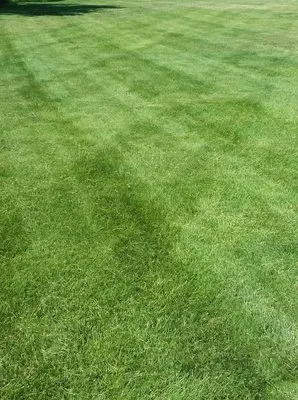
Great Falls Lawn Care is a trusted local lawn service provider in Great Falls, MT, specializing in comprehensive lawn care solutions tailored to the unique needs of our community. We understand the co...
TruGreen in Great Falls, MT, is your local partner for a healthy, vibrant landscape. We understand the unique challenges homeowners face in our area, from unsightly bare patches in lawns to the ineffi...
Greenleaf Landscape Management
Greenleaf Landscape Management is a licensed landscape company serving Great Falls, MT, since 2010. We provide professional lawn care, snow removal, and irrigation services for both residential and co...
Johnson Lawncare & Mechanic Service in Fort Benton, MT, is a locally owned business that combines a passion for quality work with practical expertise across multiple service areas. Founded on a genuin...
No Bull Lawn Care is your trusted, locally-owned partner for a healthier, more vibrant property in Great Falls, MT. We specialize in pressure washing, landscaping, and gutter services to tackle the co...
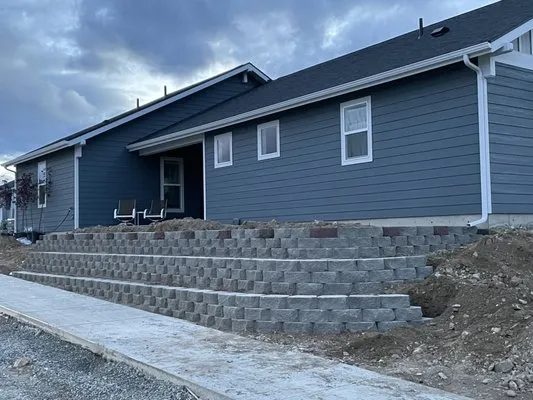
B&B Urban Forestry is a Helena-based lawn and tree service company founded by a local arborist who returned home to Montana after gaining experience in Salt Lake City. Combining a passion for the outd...

Matt's Lawn Care is your trusted, locally-owned lawn service provider in Great Falls, MT. We specialize in comprehensive lawn care services designed to keep your property healthy and beautiful through...
Glenns Lawn Service is a family-owned lawn care business serving Great Falls, MT, with over 20 years of combined experience in landscaping and home improvements. Founded four years ago in Billings and...
Weavers Lawn Services is a trusted, locally-owned lawn care and snow removal company serving Great Falls, MT. We specialize in comprehensive lawn maintenance, including mowing, fertilization, and aera...
Lawn-Ranger Spray Service is a trusted local landscaping company serving homeowners throughout Great Falls, Montana. We specialize in addressing the region's common lawn and soil challenges, including...
Estimated Landscaping Service Costs in Great Falls, MT
Common Questions
What permits and licenses are needed for regrading my 0.22-acre lot?
Grading work on 0.22-acre properties in Great Falls requires permits from Planning & Community Development for erosion control and drainage compliance. The Montana Department of Labor & Industry mandates specific licensing for contractors performing earth moving beyond minor landscaping. Professional licensing ensures proper engineering for soil stability, particularly important with Highland Park's clay-dominant soils where improper grading can create long-term drainage hazards and structural issues.
Should I replace my high-maintenance lawn with native plants?
Transitioning to Blue Grama, Blanketflower, and Rocky Mountain Penstemon reduces water needs by 70-80% while providing year-round habitat value. These natives require minimal mowing, aligning with evolving noise ordinance considerations around gas-powered equipment. In Great Falls' USDA Zone 4b, properly established native landscapes demonstrate greater resilience to temperature extremes while supporting 2026 biodiversity standards through pollinator-friendly planting schemes.
What solutions prevent spring runoff pooling in my clay-heavy soil?
Alkaline silty clay loam in Great Falls has naturally low permeability, exacerbating spring runoff issues. Installing permeable concrete or crushed limestone hardscapes creates infiltration zones that meet Planning & Community Development runoff standards. French drains combined with soil amendments like expanded shale improve percolation rates while addressing the compaction common in established Highland Park properties with similar soil profiles.
How quickly can you respond to an emergency tree cleanup after a storm?
Emergency response from Gibson Park via I-15 to Highland Park typically requires 20-30 minutes during standard conditions. Our electric maintenance fleet operates within Great Falls noise ordinances while providing immediate debris removal. For HOA compliance issues requiring same-day attention, we prioritize routes that minimize travel through congested areas while maintaining communication with property managers throughout the dispatch process.
Why does my Highland Park lawn struggle despite regular watering?
Great Falls properties built around 1965 have 60+ years of soil development on alkaline silty clay loam. This soil type naturally compacts over decades, reducing permeability and root penetration. Core aeration with organic amendments like composted manure addresses pH imbalances while improving soil structure. Highland Park's historical development patterns mean most lots share these characteristics, requiring tailored soil management rather than generic fertilization.
Is crushed limestone better than wood for patio materials in fire-prone areas?
Crushed limestone and permeable concrete provide superior fire resistance compared to wood, supporting Moderate Fire Wise ratings in wildland-urban interface zones. These materials maintain structural integrity under extreme conditions while creating defensible space through non-combustible surface areas. Their longevity in Great Falls' freeze-thaw cycles exceeds wood by decades, with permeability characteristics that manage runoff without compromising fire safety protocols in high-risk adjacency situations.
Can I maintain Kentucky Bluegrass during Stage 1 water restrictions?
Smart Wi-Fi ET-based weather sensing irrigation systems precisely match evapotranspiration rates to municipal water limits. These systems adjust daily based on local weather data, applying water only during optimal absorption windows. For Great Falls' voluntary conservation stage, this technology typically reduces water use 30-40% while preserving turf health through deeper, less frequent watering cycles that encourage drought-resistant root development.
How do I control invasive weeds without violating fertilizer regulations?
Montana's phosphorus restrictions on non-deficient soils require targeted approaches to invasive species management. Manual removal combined with organic pre-emergents like corn gluten meal addresses common invaders while maintaining soil health. Timing applications outside of blackout dates and using mycorrhizae inoculants strengthens native plant competitiveness. For persistent issues, soil testing determines specific nutrient deficiencies before any amendment application.
